
Dogs licking their paws is a common behavior that often goes unnoticed—until it becomes excessive. While occasional paw grooming is normal, persistent licking without signs of cuts, sores, or infections can puzzle pet owners. When no physical injury is evident, the cause likely lies beyond the surface. Excessive paw licking in the absence of trauma can stem from allergies, anxiety, boredom, or underlying medical conditions. Understanding the root causes is essential not only for your dog’s comfort but also to prevent secondary issues like skin infections or hair loss. This article explores the most frequent reasons behind compulsive paw licking, backed by veterinary insights, real-life observations, and practical strategies to help you support your pet.
Allergies: A Leading Cause of Obsessive Licking
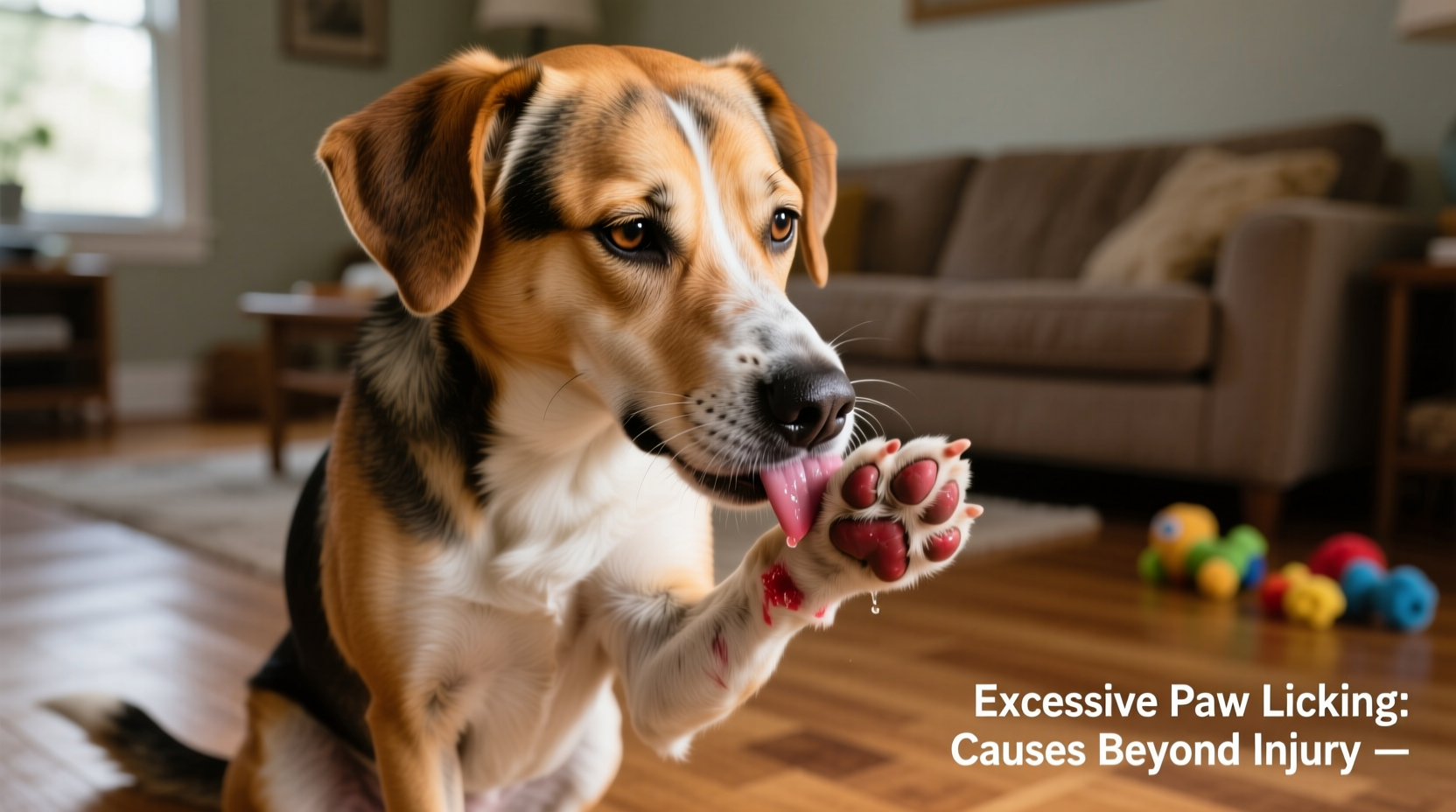
One of the most common non-injury explanations for paw licking is allergic reactions. Dogs, like humans, can suffer from environmental and food-based allergies. Allergens such as pollen, mold, dust mites, or certain ingredients in commercial dog food trigger immune responses that manifest through the skin—particularly on the paws, which come into direct contact with allergens during walks or while lying on treated floors.
The resulting irritation causes itching, prompting dogs to lick their paws for relief. Over time, this creates a cycle: licking soothes temporarily but damages the skin barrier, making it more vulnerable to bacteria and yeast overgrowth, which further intensifies discomfort.
“Dogs with atopy—the veterinary term for environmental allergies—often present with chronic foot licking. It’s one of the earliest signs we see in allergic dermatitis.” — Dr. Laura Bennett, DVM, Veterinary Dermatology SpecialistTip: Wipe your dog’s paws with a damp cloth after outdoor walks to remove allergens like pollen and road salt.
Types of Allergies Linked to Paw Licking
- Environmental (atopic) allergies: Triggered by seasonal pollens, grasses, or indoor allergens like dust mites.
- Food sensitivities: Common culprits include beef, chicken, dairy, wheat, and soy.
- Contact allergies: Reactions to cleaning products, carpet treatments, or lawn chemicals.
Anxiety and Behavioral Triggers
Just as humans may bite their nails or fidget when stressed, dogs often develop repetitive behaviors like paw licking when experiencing emotional distress. Anxiety-induced licking is especially prevalent in intelligent, high-energy breeds such as Border Collies, German Shepherds, and Labradors. These dogs require mental stimulation and routine; disruptions in their environment can lead to displacement behaviors—one of which is obsessive grooming.
Situations that may provoke anxiety include:
- Separation from owners
- Changes in household dynamics (new pet, baby, or move)
- Loud noises (thunderstorms, fireworks)
- Lack of exercise or social interaction
In some cases, paw licking begins as a coping mechanism and evolves into a compulsive habit, similar to obsessive-compulsive disorder in humans. Once ingrained, the behavior may persist even after the initial stressor is removed.
Recognizing Behavioral vs. Physical Causes
Behavioral licking tends to occur during downtime—such as when the dog is resting or alone—and often affects specific paws rather than all four symmetrically. It may also coincide with other signs of anxiety: pacing, whining, chewing furniture, or avoidance behaviors.
Tip: Record a short video of your dog when you're not home to observe whether paw licking increases in your absence.Yeast and Bacterial Overgrowth: The Hidden Culprit
Even in the absence of visible wounds, microbial imbalances can cause intense itching. Yeast (Malassezia) and bacteria (Staphylococcus) naturally live on a dog’s skin but can proliferate when the skin’s pH is disrupted—often due to moisture, allergies, or weakened immunity.
Paws are particularly prone because they trap moisture between toes, especially in humid climates or after swimming. A telltale sign of yeast overgrowth is a “corn chip” odor emanating from the feet. The skin may appear red, slightly thickened, or have a greasy texture.
While not an injury per se, this condition requires treatment. Left unchecked, it leads to chronic inflammation and secondary infections that worsen licking behavior.
Common Signs of Microbial Imbalance
| Symptom | Yeast Overgrowth | Bacterial Infection |
|---|---|---|
| Odor | Musty or corn chip-like | Foul, rotten smell |
| Skin Appearance | Red, greasy, flaky | Swollen, warm, oozing |
| Itching Level | Moderate to severe | Severe, constant |
| Response to Antifungals | Improves with antifungal washes | No improvement; needs antibiotics |
Step-by-Step Guide to Addressing Excessive Paw Licking
If your dog is obsessively licking its paws and no injury is apparent, follow this structured approach to identify and resolve the issue:
- Inspect the paws thoroughly. Check between the toes, under the pads, and around nail beds for foreign objects, discoloration, swelling, or embedded debris—even tiny splinters can cause prolonged irritation.
- Clean the paws gently. Use a hypoallergenic pet wipe or mild oatmeal-based cleanser. Dry thoroughly, especially between toes.
- Eliminate environmental triggers. Switch to fragrance-free laundry detergents, avoid chemical floor cleaners, and consider removing carpets if symptoms persist.
- Review diet. Transition to a limited-ingredient or novel protein diet (e.g., venison, duck) under veterinary guidance to rule out food allergies.
- Consult your veterinarian. Request allergy testing (blood or intradermal), skin cytology, or a fungal culture to confirm underlying causes.
- Implement behavioral enrichment. Increase daily walks, introduce puzzle toys, and establish a predictable routine to reduce anxiety-driven licking.
- Monitor progress. Keep a log of licking frequency, timing, and potential triggers to assess treatment effectiveness.
Mini Case Study: Max, the Labrador with Midnight Licking Fits
Max, a 4-year-old chocolate Labrador, began licking his front paws every evening after dinner. His owner noticed no injuries, and vet checks revealed no fractures or infections. Despite trying antihistamines and paw balm, the behavior worsened, leading to thinning fur and raw skin patches.
A veterinary behaviorist reviewed Max’s routine and discovered he was left alone for three hours each night while his owners watched TV in another room. Though not technically separated, Max felt socially isolated. The licking began as boredom and evolved into a self-soothing ritual.
The solution? Structured evening activities: a chew toy stuffed with yogurt and blueberries, a cozy bed placed near the family, and 15 minutes of training games before downtime. Within two weeks, paw licking decreased by 80%. Combined with a hypoallergenic diet trial, Max’s paws fully healed within six weeks.
This case illustrates how environmental context and subtle emotional cues can drive physical behaviors—a reminder that healing often requires looking beyond the body to the mind.
Checklist: What to Do If Your Dog Licks Paws Excessively
Use this actionable checklist to systematically address non-injury-related paw licking:
- ✅ Inspect paws daily for hidden irritants or changes in skin condition
- ✅ Wipe paws after outdoor exposure to remove allergens
- ✅ Switch to a fragrance-free, pet-safe cleaning routine in your home
- ✅ Evaluate your dog’s diet with a vet; consider an elimination trial
- ✅ Rule out yeast or bacterial infection via skin swab or culture
- ✅ Assess lifestyle: Is your dog getting enough exercise and mental stimulation?
- ✅ Reduce stress with consistent routines, safe spaces, and calming aids if needed
- ✅ Consult a veterinary dermatologist or behaviorist if licking persists
FAQ
Is it normal for dogs to lick their paws every day?
Some light grooming is normal, especially after being outside. However, prolonged, focused licking—especially lasting more than a few minutes multiple times a day—is not typical and should be evaluated.
Can boredom really cause a dog to lick its paws?
Yes. Boredom and lack of stimulation are significant contributors to compulsive behaviors in dogs. Intelligent breeds are especially prone to developing habits like paw licking when under-stimulated.
Should I use a cone to stop my dog from licking?
A cone (Elizabethan collar) can prevent further damage while diagnosing the cause, but it doesn’t address the underlying issue. Long-term use may increase stress. Use it temporarily and focus on identifying root causes instead.
Prevention and Long-Term Management
Once the immediate cause of paw licking is resolved, prevention becomes key. Chronic licking often recurs if predisposing factors remain unaddressed. Proactive care includes regular paw maintenance, dietary consistency, and emotional well-being.
Routine paw checks, using breathable booties in harsh weather, and rotating chew toys can keep your dog engaged and physically comfortable. For dogs with known allergies, starting antihistamines preemptively during high-pollen seasons may reduce flare-ups.
Equally important is maintaining a calm, enriching home environment. Dogs thrive on predictability. Simple practices—like feeding at the same time, sticking to walking routes, and providing interactive play—can significantly reduce stress-related behaviors.
“Treating excessive licking isn’t just about stopping the action—it’s about understanding why it started. The paw is just the symptom; the story is usually deeper.” — Dr. Elena Torres, Canine Behavior Consultant
Conclusion
Excessive paw licking in dogs, even without visible injury, is rarely trivial. It’s a signal—an attempt to communicate discomfort, anxiety, or imbalance. Whether driven by allergies, microbes, or emotional needs, the behavior demands thoughtful attention, not suppression. By combining veterinary insight with compassionate observation, pet owners can uncover the true cause and restore both comfort and balance to their dog’s life.
💬 Have you noticed changes in your dog’s licking habits? Share your experience or questions below—your story could help another pet parent find answers.








