A dog’s nose is one of its most distinctive features—cool to the touch, often glistening with moisture, and constantly twitching as it sniffs the world. Many pet owners have heard the old saying: “A wet nose means a healthy dog.” But is that really true? While a moist nose is common in canines, it’s not the sole indicator of well-being. Understanding the biological reasons behind a dog’s wet nose—and knowing when changes might signal trouble—is essential for responsible pet care.
The moisture on a dog’s nose serves several important functions, from enhancing scent detection to aiding in temperature regulation. However, variations in nasal dampness are normal and influenced by environment, activity level, and even sleep cycles. Dismissing every dry nose as a symptom of illness—or assuming every wet nose guarantees health—can lead to unnecessary worry or missed warning signs. This article explores the science behind canine nasal moisture, separates myth from fact, and equips you with practical knowledge to assess your dog’s overall condition accurately.
The Science Behind a Wet Nose
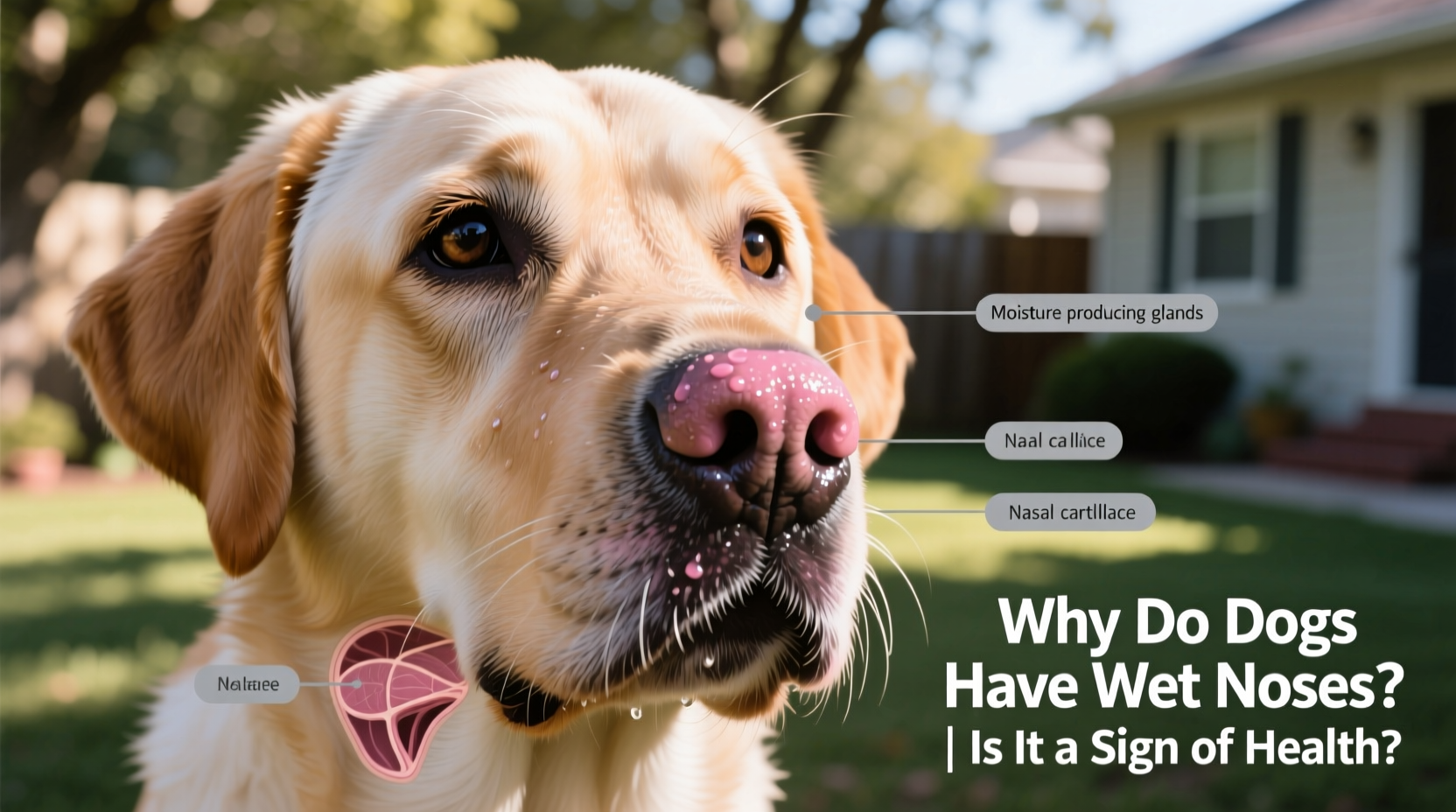
Dogs possess a highly specialized olfactory system, and their wet noses play a crucial role in maximizing scent detection. The moisture on the surface of a dog’s nose helps dissolve airborne scent particles, allowing them to be absorbed more efficiently through the nasal passages. This gives dogs an extraordinary ability to detect odors at concentrations up to 100,000 times lower than humans can perceive.
The wetness comes from a combination of sources:
- Nasal glands: Specialized glands in the nose produce a thin mucus that keeps the surface moist.
- Licking: Dogs frequently lick their noses to keep them clean and enhance sensory input. This behavior spreads saliva across the nostrils, contributing to dampness.
- Capillary action: Tiny blood vessels near the skin’s surface help maintain a cool, moist environment ideal for odor molecule absorption.
This moisture layer acts like a natural adhesive for scent particles. When a dog inhales, air passes over this damp surface, trapping microscopic chemical signals from the environment. These are then transferred to the vomeronasal organ (also known as Jacobson’s organ), which processes pheromones and other complex scents critical for communication and survival.
“Dogs rely on their noses the way we rely on our eyes. The moisture isn’t just incidental—it’s a functional adaptation that enhances their primary sense.” — Dr. Laura Bennett, Veterinary Behaviorist
Is a Wet Nose Always a Sign of Good Health?
While a wet nose is typical in healthy dogs, it should not be used as a standalone diagnostic tool. A moist nose generally indicates normal glandular activity and hydration, but many factors influence its appearance throughout the day. Conversely, a temporarily dry nose doesn’t automatically mean illness.
Consider these everyday scenarios where a dry nose is perfectly normal:
- After waking up from a nap
- In low-humidity environments or heated indoor spaces
- Following physical exertion or exposure to sunlight
- During moments of stress or excitement
What matters more than moisture level is consistency in your dog’s behavior and accompanying symptoms. A dog with a slightly dry nose but bright eyes, normal appetite, and active demeanor likely has nothing to worry about. On the other hand, a dog with a snot-covered nose who is lethargic, vomiting, or refusing food may require veterinary attention—even if the nose appears wet.
Tip: Don’t panic if your dog’s nose feels dry in the morning. Monitor for additional symptoms before assuming illness.When a Dry or Abnormal Nose Might Signal Trouble
Certain changes in nasal condition warrant closer observation and possibly a vet visit. Persistent dryness, cracking, crusting, or discharge can point to underlying issues ranging from mild dehydration to serious systemic diseases.
Red flags include:
- Persistent dryness lasting more than a day despite access to water and comfortable conditions.
- Fissures or cracks on the surface of the nose, especially if bleeding or painful.
- Discolored discharge—yellow, green, or bloody mucus.
- Change in texture, such as thickening, scaling, or loss of pigmentation.
- Nasal swelling or asymmetry, which could indicate infection or tumor growth.
Conditions associated with abnormal nasal moisture include:
- Dehydration: Reduced fluid intake or excessive panting can lead to dry mucous membranes, including the nose.
- Allergies: Environmental allergens may cause irritation, leading to dryness or excess mucus production.
- Infections: Bacterial or viral infections like distemper can result in thick nasal discharge and crusting.
- Autoimmune disorders: Diseases such as pemphigus foliaceus target the skin and nasal tissue, causing sores and erosion.
- Nasal tumors: Growths inside the nasal cavity can alter airflow and secretions.
Case Study: Bella the Beagle
Bella, a six-year-old beagle, began showing intermittent dryness on her nose after her family turned on the home heater during winter. At first, her owner assumed it was due to dry air. However, after three days, Bella developed cracked skin around her nostrils and started sneezing frequently. She also lost interest in meals—a major shift for a normally food-motivated dog.
Her veterinarian diagnosed early-stage nasal dermatitis exacerbated by low humidity and mild dehydration. Bella was prescribed a pet-safe emollient balm and advised increased water intake. Within a week, her nose regained moisture and elasticity, and her appetite returned. This case illustrates how environmental factors can mimic illness but also how secondary symptoms guide accurate diagnosis.
Do’s and Don’ts: Caring for Your Dog’s Nose
| Do’s | Don’ts |
|---|---|
| Ensure constant access to fresh water | Apply human lotions or ointments to the nose |
| Use a humidifier in dry climates or heated homes | Allow prolonged sun exposure without shade |
| Gently clean crusty residue with a damp cloth | Peel off scabs or dry patches manually |
| Monitor for changes in behavior or appetite | Ignore persistent nasal discharge or bleeding |
| Consult your vet if abnormalities last over 24–48 hours | Rely solely on nose moisture to judge health |
Step-by-Step Guide to Assessing Nasal Health
If you notice a change in your dog’s nose, follow this logical sequence to determine whether professional evaluation is needed:
- Observe the context: Has your dog just woken up, been outside in the sun, or exercised heavily? Rule out temporary causes first.
- Check hydration: Gently pinch the skin on the back of the neck. If it doesn’t snap back quickly, your dog may be dehydrated.
- Inspect for discharge: Look for color, consistency, and odor. Clear, thin mucus is usually benign; thick, foul-smelling, or colored discharge is concerning.
- Examine the texture: Run a finger gently over the nose. Is it warm, cracked, swollen, or ulcerated?
- Assess overall behavior: Note appetite, energy levels, coughing, sneezing, or eye discharge.
- Wait 24 hours: If only the nose is dry and everything else is normal, recheck the next day.
- Contact your vet: If symptoms persist or worsen, schedule an appointment. Bring notes on duration, progression, and any other signs.
Frequently Asked Questions
Can a dog’s nose change from wet to dry throughout the day?
Yes, this is completely normal. A dog’s nose may be wet upon waking, dry after playing in the sun, and moist again after drinking water or licking. Fluctuations are expected and not inherently alarming.
Should I moisturize my dog’s dry nose?
Only if recommended by a veterinarian. Some pet-safe balms containing ingredients like shea butter, coconut oil, or beeswax can help in cases of mild dryness. Never use human products, as they may contain chemicals toxic to dogs if licked.
Is a cold, wet nose a reliable sign of health?
Not reliably. While many healthy dogs have cool, damp noses, others naturally have drier ones. Breed differences (e.g., bulldogs vs. pointers) and individual variation mean nose temperature and moisture alone cannot confirm or rule out illness.
Final Thoughts and Call to Action
Understanding why dogs have wet noses enriches our appreciation of their remarkable biology. Their moist snouts aren’t just cute—they’re finely tuned tools for navigating the world through scent. Yet, like any bodily feature, the nose must be evaluated in context. Relying on a single trait like wetness risks overlooking real problems or creating anxiety over harmless fluctuations.
The best approach is holistic observation: know your dog’s baseline, track patterns, and respond to combinations of symptoms rather than isolated signs. When in doubt, err on the side of caution and consult a trusted veterinarian. Preventive care, attentive monitoring, and informed decisions are the cornerstones of responsible pet ownership.
💬 Have you noticed changes in your dog’s nose? Share your experience or questions in the comments below—your story might help another pet parent recognize an early warning sign.








