
Dogs are beloved companions, often considered part of the family. Yet one of the most painful truths pet owners face is that their furry friends live significantly shorter lives than humans—typically between 10 and 15 years, depending on breed and size. This disparity raises a common and heartfelt question: why do dogs have shorter lives? The answer lies in a combination of biological evolution, genetics, metabolic rates, and human-driven breeding practices. Understanding these factors not only provides clarity but also empowers owners to make informed decisions that can extend and improve their dog’s quality of life.
The Biological Basis of Canine Lifespan
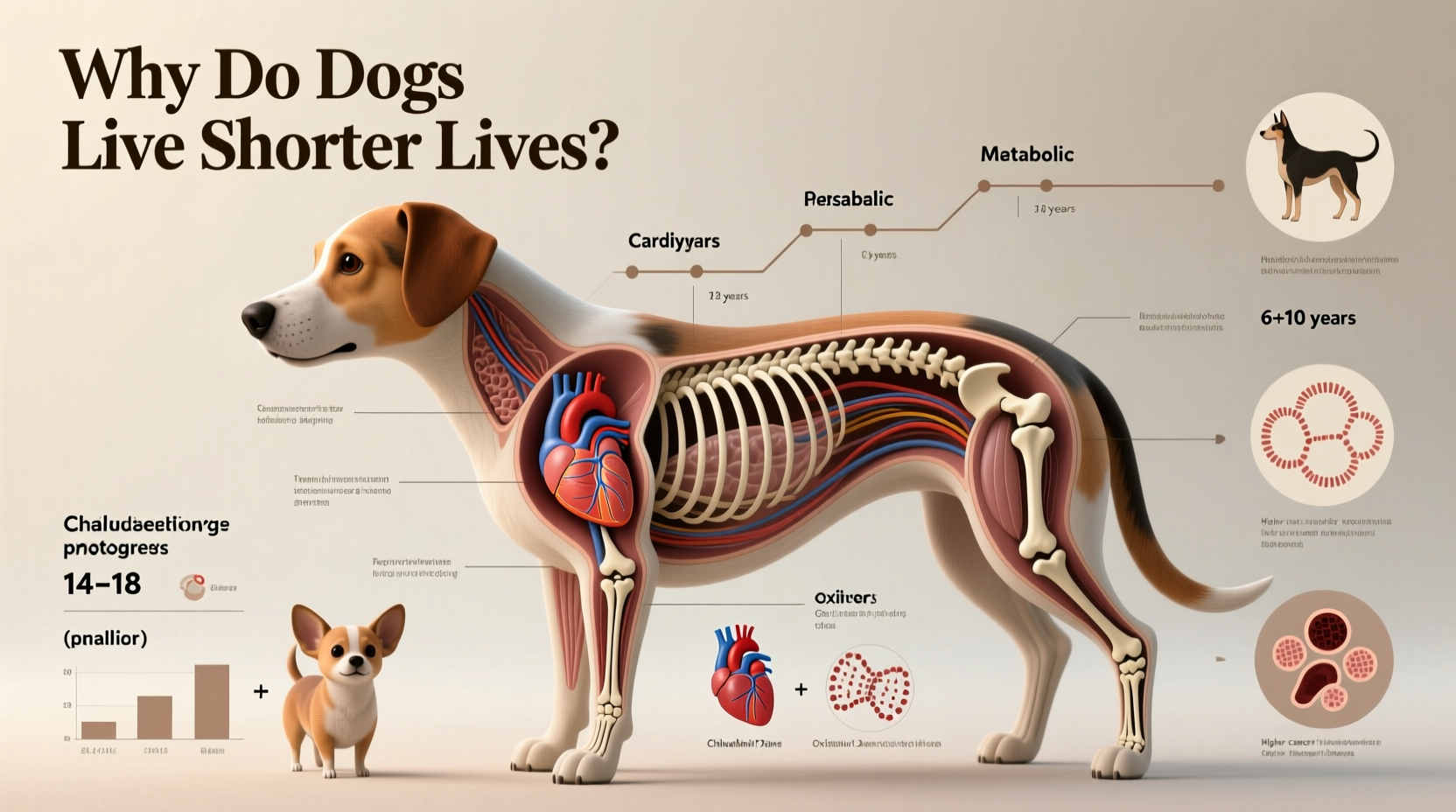
All mammals follow a general pattern where smaller species tend to have faster metabolisms and shorter lifespans, while larger ones live longer. Dogs, however, defy this trend in a unique way. Despite being medium-sized animals, they age much more rapidly than similarly sized mammals like wolves or even humans. One primary reason is their accelerated growth rate. Most dogs reach physical and sexual maturity by the age of one year—a process that takes humans over a decade. This rapid development places significant stress on cells and tissues, contributing to earlier aging.
Another critical factor is telomere shortening. Telomeres are protective caps at the ends of chromosomes that shorten with each cell division. When they become too short, cells can no longer divide, leading to aging and disease. Studies show that dogs experience faster telomere degradation compared to humans, which correlates with their shortened lifespan.
“Dogs are among the fastest-aging mammals relative to body size. Their biology prioritizes early survival and reproduction over long-term cellular maintenance.” — Dr. Laura Thompson, Veterinary Biologist, University of Edinburgh
Breed Size and Its Impact on Longevity
One of the most striking patterns in canine longevity is the inverse relationship between body size and lifespan. Generally, small dog breeds live significantly longer than large and giant breeds. For example:
| Breed Size Category | Average Lifespan | Common Examples |
|---|---|---|
| Small (under 20 lbs) | 12–16 years | Chihuahua, Pomeranian, Shih Tzu |
| Medium (20–50 lbs) | 10–14 years | Beagle, Bulldog, Cocker Spaniel |
| Large (50–90 lbs) | 8–12 years | Golden Retriever, German Shepherd |
| Giant (over 90 lbs) | 6–10 years | Great Dane, Mastiff, Saint Bernard |
This paradox—where bigger isn’t better for longevity—is linked to growth hormones. Large breeds grow rapidly during puppyhood due to high levels of insulin-like growth factor 1 (IGF-1), which promotes cell proliferation. Unfortunately, this same mechanism increases the risk of cancer and musculoskeletal disorders later in life. A Great Dane may be fully grown by 18 months, but that accelerated growth comes at a cost: higher oxidative stress and earlier organ wear.
Tip: If adopting a large or giant breed, prioritize regular vet screenings for hip dysplasia, heart conditions, and cancer starting at age 5.Genetic Consequences of Selective Breeding
Modern dog breeds are the result of centuries of intense selective breeding for appearance, behavior, and function. While this has produced remarkable diversity, it has also led to reduced genetic variation and the propagation of harmful mutations. Inbreeding to maintain breed standards increases the likelihood of inherited diseases such as brachycephalic syndrome in flat-faced breeds, degenerative myelopathy in herding dogs, and dilated cardiomyopathy in Dobermans.
For instance, the popular Cavalier King Charles Spaniel suffers from a high prevalence of syringomyelia—a painful neurological condition caused by skull malformation—due to selection for a domed head shape. Similarly, Bulldogs often require cesarean sections to give birth because their heads are too large to pass naturally through the birth canal. These health compromises directly impact lifespan.
According to research published in *Canine Medicine and Genetics*, purebred dogs have a 38% higher risk of developing a hereditary disorder compared to mixed-breed dogs, contributing to earlier mortality.
Metabolism and Cellular Aging
Dogs have a much higher metabolic rate than humans. On average, a dog’s heart beats 60–140 times per minute, compared to a human’s 60–100. This increased metabolic activity generates more free radicals—unstable molecules that damage DNA, proteins, and lipids over time. While antioxidants help neutralize these compounds, the cumulative effect accelerates aging.
Additionally, dogs enter the senior phase of life much earlier. By age 7, most dogs are considered geriatric, equivalent to a human in their mid-60s. This compressed timeline means age-related conditions like arthritis, kidney disease, and cognitive decline appear sooner. Smaller breeds still undergo this transition later than larger ones, reinforcing the size-lifespan link.
Step-by-Step Guide to Maximizing Your Dog’s Lifespan
- Choose the Right Breed: Consider adopting a smaller or mixed-breed dog if longevity is a priority.
- Feed a Balanced Diet: Use high-quality, age- and size-appropriate food with real protein sources and minimal fillers.
- Maintain a Healthy Weight: Obesity can reduce a dog’s lifespan by up to 2 years. Monitor portion sizes and avoid excessive treats.
- Schedule Regular Vet Visits: Annual check-ups can catch issues like dental disease, thyroid problems, or early-stage cancers.
- Provide Mental and Physical Stimulation: Daily walks, puzzle toys, and training keep both body and mind active.
- Stay Up-to-Date on Preventatives: Flea/tick control, heartworm medication, and vaccinations prevent costly and life-threatening illnesses.
- Consider Senior Care Early: Around age 7, switch to joint supplements, softer bedding, and more frequent vet screenings.
Real-Life Example: Max the Labrador Retriever
Max, a 12-year-old yellow Labrador, lived well beyond the breed average of 10–12 years. His owner, Sarah, implemented a proactive care routine: feeding a vet-recommended diet for large breeds, maintaining a strict exercise schedule without overexertion, and attending biannual vet exams. At age 9, blood work revealed early kidney changes, prompting a switch to a renal-support diet. With consistent monitoring and lifestyle adjustments, Max remained active and comfortable until passing peacefully at home. His case illustrates how early detection and dedicated care can extend both lifespan and quality of life.
Frequently Asked Questions
Do mixed-breed dogs live longer than purebreds?
Yes, generally. Mixed-breed dogs benefit from greater genetic diversity, which reduces the risk of inherited diseases. Studies indicate that crossbred dogs live, on average, 1.2 years longer than purebreds.
Can I slow down my dog’s aging process?
You can't stop aging, but you can slow its effects. Proper nutrition, weight management, mental enrichment, and preventive healthcare all contribute to healthier aging. Emerging therapies like CBD oil, omega-3 supplements, and even canine-specific anti-aging diets are being studied for their potential benefits.
Why do some dog breeds live longer than others?
Lifespan differences stem from genetics, size, metabolism, and breed-specific health risks. Smaller breeds age slower biologically and suffer fewer growth-related diseases, giving them a natural advantage in longevity.
Action Plan: Checklist for a Longer-Living Dog
- ✅ Feed a high-quality, age-appropriate diet
- ✅ Keep your dog at a healthy weight
- ✅ Exercise daily (adjusted for breed and age)
- ✅ Brush teeth regularly or provide dental chews
- ✅ Schedule vet visits every 6–12 months
- ✅ Administer parasite prevention year-round
- ✅ Provide mental stimulation (toys, training, socialization)
- ✅ Monitor for signs of pain, lethargy, or appetite changes
Conclusion: Honoring the Time We Have
The brevity of a dog’s life is one of the hardest aspects of pet ownership. But understanding the biological and environmental factors behind their shorter lifespan allows us to act with purpose and compassion. From choosing healthier breeds to committing to lifelong preventive care, every decision impacts how long and how well our dogs live. While we can’t grant them more years than nature intended, we can ensure those years are filled with vitality, comfort, and love.
💬 What has been your experience with dog longevity? Share your story or tips in the comments to help fellow pet lovers make the most of their time with their four-legged friends.








