Dogs eating grass is a common behavior observed by pet owners across the world. While it may seem odd or even concerning, especially when followed by vomiting, this habit is generally considered normal in most cases. However, understanding the underlying reasons—and knowing when it might signal a health issue—is essential for responsible pet care. Veterinarians have studied this behavior extensively, and current evidence supports several benign explanations, while also highlighting red flags that warrant medical attention.
This article explores the scientifically backed and vet-approved reasons behind why dogs eat grass, identifies when the behavior becomes problematic, and provides practical guidance on when intervention is necessary.
Common Vet-Approved Reasons Dogs Eat Grass
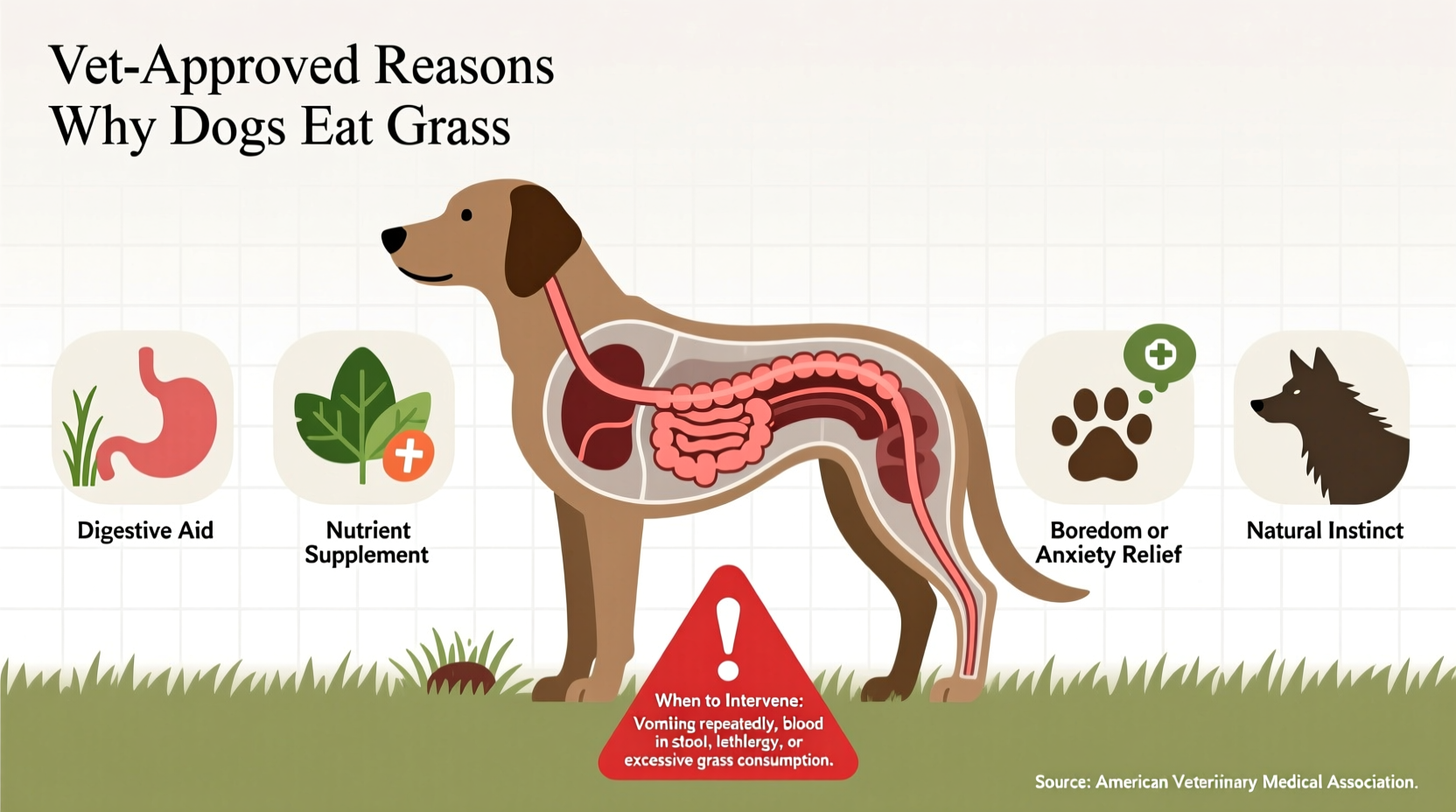
Contrary to popular belief, grass consumption in dogs is not always linked to illness. In fact, studies suggest that the majority of dogs who eat grass do so without showing signs of gastrointestinal distress before or after. A 2007 study published in *Applied Animal Behaviour Science* found that only 10% of dogs appeared sick before eating grass, and less than 25% vomited afterward—indicating that vomiting is not the primary goal.
Here are the most widely accepted, vet-supported explanations:
- Natural instinct and ancestral diet: Wild canids like wolves and coyotes often consume plant material found in the stomachs of herbivorous prey. This suggests that some level of omnivory is natural. Grass may fulfill a minor dietary need or act as a behavioral remnant from evolutionary feeding patterns.
- Dietary fiber supplementation: Some dogs may seek out grass to aid digestion. If their regular food lacks sufficient fiber, they might instinctively turn to grass as a natural roughage source to regulate bowel movements.
- Boredom or anxiety relief: Like humans who bite their nails, dogs may chew grass out of boredom, stress, or compulsive tendencies. This is especially common in high-energy breeds left unstimulated for long periods.
- Pleasure or taste preference: Many dogs simply enjoy the texture or taste of fresh grass. Observant owners often note their pets selectively nibbling young, tender shoots during walks—similar to how some people enjoy chewing mint leaves.
- Mild stomach upset relief: Though not the most common cause, some dogs may eat grass to induce vomiting when experiencing mild nausea. The fibrous texture can tickle the throat or stomach lining, triggering a gag reflex.
When Grass-Eating Signals a Problem
While occasional grass consumption is typically normal, certain patterns should prompt closer evaluation. Veterinarians emphasize that changes in behavior, frequency, or physical symptoms accompanying grass-eating are key indicators that something more serious could be at play.
Warning signs include:
- Eating large amounts of grass obsessively (multiple times daily)
- Aggressive digging or frantic chewing of grass
- Frequent vomiting unrelated to meals
- Diarrhea, lethargy, or weight loss
- Attempts to eat chemically treated lawns or toxic plants
- Sudden onset of grass-eating in an older dog with no prior history
“Grass eating alone isn’t a diagnosis. It’s the context—frequency, associated symptoms, and environment—that tells us whether it’s routine behavior or a cry for help.” — Dr. Lena Torres, DVM, Veterinary Behavior Consultant
Underlying Medical Conditions Linked to Excessive Grass Consumption
In some cases, persistent grass-eating may point to undiagnosed health issues. These include:
- Gastrointestinal disorders: Chronic conditions such as inflammatory bowel disease (IBD), gastritis, or parasites can lead to discomfort that dogs attempt to soothe through grass ingestion.
- Nutritional deficiencies: Diets lacking essential nutrients, particularly fiber, fatty acids, or digestive enzymes, may drive dogs to seek alternative sources.
- Anxiety or obsessive-compulsive disorder (OCD): Repetitive behaviors like excessive licking, tail-chasing, or grass-eating can indicate psychological distress, especially in dogs with limited enrichment.
- Pica: A condition where animals consume non-food items, pica can stem from medical causes (anemia, malnutrition) or behavioral ones (stress, confinement).
Environmental and Safety Risks
Even if your dog’s grass-eating habit is psychologically or nutritionally driven, environmental hazards pose real dangers. Not all grass is safe—even if it looks clean and green.
| Risk Factor | Description | Prevention Strategy |
|---|---|---|
| Pesticides & Herbicides | Chemicals like glyphosate or 2,4-D used on lawns can be toxic even in small doses. | Avoid letting dogs graze in public parks or neighbor yards where chemicals may have been applied. |
| Fertilizers | High nitrogen content and iron-based additives can cause vomiting, tremors, or seizures. | Wait at least 48 hours after application before allowing access; use pet-safe alternatives. |
| Parasite-contaminated soil | Fecal matter from other animals may carry roundworms, hookworms, or protozoa. | Regular deworming and fecal exams reduce risk; discourage rooting in dirt. |
| Toxic plants | Some “weeds” like foxglove, daffodils, or lilies are highly poisonous. | Learn which plants grow in your yard; remove hazardous species. |
Mini Case Study: Max, the Labrador with a Grass Obsession
Max, a 3-year-old male Labrador Retriever, began eating grass aggressively during evening walks. His owner noticed he would pull toward grassy areas, sometimes consuming handfuls until he vomited. Concerned, she recorded videos and brought them to her veterinarian.
After a full exam, blood work, and fecal test, no parasites or infections were found. However, the vet noted that Max spent most of his day alone in the backyard with minimal toys or interaction. A behavioral assessment suggested environmental boredom and mild separation anxiety.
The solution included increasing daily exercise, introducing puzzle feeders, and scheduled training sessions. Within three weeks, Max’s grass consumption dropped by over 80%. Occasional nibbling persisted but without vomiting or distress.
This case illustrates how behavioral factors can mimic medical problems—and why holistic evaluation matters.
Step-by-Step Guide: What to Do When Your Dog Eats Grass
If you’re unsure whether your dog’s grass-eating is normal or concerning, follow this vet-recommended timeline:
- Observe the pattern (Days 1–3): Note how often it happens, what type of grass is eaten, and whether vomiting follows. Is it seasonal? Tied to walks? Does it happen indoors with houseplants?
- Assess diet and routine (Day 4): Review your dog’s current food. Does it contain adequate fiber? Are meals consistent? Has there been a recent change in brand or feeding schedule?
- Check for environmental risks (Day 5): Inspect your yard and walking routes for pesticides, fertilizers, or toxic plants. Ask neighbors about lawn treatments.
- Enrich mental and physical activity (Days 6–10): Add structured play, scent games, or obedience drills. Reduce time spent alone outdoors unsupervised.
- Consult your veterinarian (Day 11+): If grass-eating continues excessively or is paired with vomiting, diarrhea, or lethargy, schedule a check-up. Bring notes and videos if possible.
Checklist: When to Seek Veterinary Help
Use this checklist to determine if professional evaluation is needed:
- ☑ Vomiting occurs regularly after eating grass (more than once a week)
- ☑ Dog appears unwell—lethargic, drooling, or refusing food
- ☑ Grass consumption has increased suddenly
- ☑ You suspect exposure to chemicals or toxins
- ☑ Your dog eats non-grass materials like dirt, mulch, or plastic
- ☑ There’s blood in vomit or stool
- ☑ The behavior started in a senior dog with no prior history
Frequently Asked Questions
Is it normal for puppies to eat grass?
Yes. Puppies explore the world orally, and grass-eating is often part of that learning process. As long as it's infrequent and doesn't cause illness, it's usually nothing to worry about. Ensure they aren't ingesting harmful substances.
Can I stop my dog from eating grass completely?
You may not need to. If the behavior is harmless, suppression isn’t necessary. However, if it’s excessive or risky, redirecting with toys, improving diet, or increasing enrichment can reduce the urge. Never punish the behavior—it may increase anxiety.
Should I give my dog grass substitutes?
Yes, especially if they show a strong preference. Growing pet-safe indoor grass (like barley or rye) gives them a clean, chemical-free option. Just ensure it’s labeled for pets and replace it regularly to prevent mold.
Conclusion: Balancing Instinct with Responsibility
Dogs eat grass for a variety of reasons—many of them perfectly normal. From evolutionary instincts to dietary curiosity, occasional grazing is rarely a cause for alarm. But as a pet owner, your role is not just to observe, but to interpret context. Frequency, environment, and overall health must all be weighed together.
The line between harmless habit and symptom of distress isn’t always clear. That’s why vigilance, preventive care, and open communication with your veterinarian are crucial. By understanding the science behind the behavior and responding appropriately, you protect your dog’s well-being without overreacting to natural quirks.
💬 Have a story about your dog and grass-eating? Share your experience in the comments—your insight could help another pet parent feel more informed and less worried.








