
Dogs eating grass is one of the most common behaviors observed by pet owners—and one of the most misunderstood. Whether your dog nibbles gently on lawn blades during a walk or devours handfuls in a single gulp, the sight often raises questions: Is it normal? Could it be harmful? Should you stop them? Veterinarians have studied this behavior extensively, and while no single explanation fits every case, several well-supported theories shed light on why dogs engage in this habit. More importantly, knowing when grass consumption crosses the line from routine to concerning can help protect your dog’s long-term health.
Common Reasons Dogs Eat Grass (According to Veterinary Science)
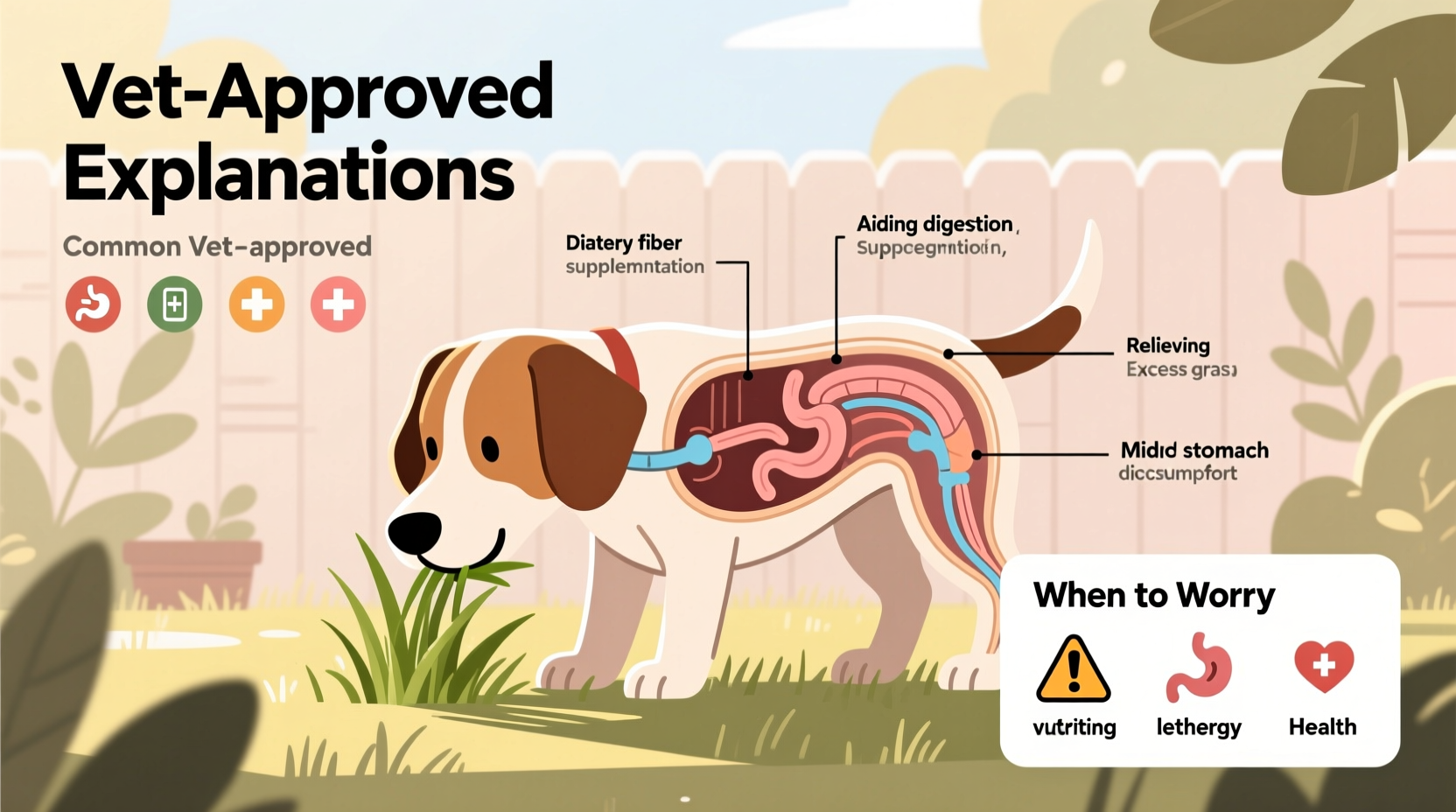
Contrary to popular belief, dogs eating grass is not inherently dangerous or abnormal. In fact, studies suggest that up to 79% of healthy dogs consume grass regularly, with most doing so without showing signs of illness before or after. The act itself—called *pica* when referring to non-food item ingestion—is not always a symptom of disease. Instead, multiple vet-backed explanations point to instinctual, dietary, and behavioral causes.
Natural Instinct and Evolutionary Behavior
Dogs are omnivores with carnivore-leaning diets, but their wild ancestors, like wolves and dingoes, were known to consume plant material found in the stomachs of prey or directly from the environment. This suggests that some level of herbivory may be part of their natural feeding repertoire. Grass may serve as a source of roughage or aid in digestion, much like fiber does in human diets.
“Grass-eating in dogs likely stems from ancestral scavenging behaviors. Even domesticated dogs retain instincts to consume available organic matter.” — Dr. Laura Bennett, DVM, Canine Nutrition Specialist
Digestive Support and Fiber Intake
Some dogs may eat grass to supplement their diet with fiber, especially if they’re fed low-fiber commercial kibble. Fiber aids in bowel regularity and supports gut motility. In cases where a dog experiences mild gastrointestinal discomfort—such as gas, bloating, or irregular stools—consuming grass might provide mechanical stimulation to move things along.
Tip: If your dog frequently eats large amounts of grass, consider discussing a higher-fiber diet with your veterinarian.Upset Stomach and Self-Medication Theory
One widely held theory is that dogs eat grass to induce vomiting when feeling unwell. However, research contradicts this idea. A landmark study published in *Applied Animal Behaviour Science* found that fewer than 10% of dogs showed signs of illness before eating grass, and only about 25% actually vomited afterward. This suggests that inducing vomiting is not the primary motivation for most dogs.
That said, individual variation exists. Some dogs may learn that eating grass triggers vomiting when they feel nauseous, turning it into a learned coping mechanism. But for the majority, grass consumption appears unrelated to immediate illness.
Behavioral and Boredom-Related Causes
Just like humans chew gum or snack when bored, dogs may graze on grass out of habit, curiosity, or lack of mental stimulation. Puppies and young dogs, in particular, explore the world through their mouths. Grass is readily available, safe (in moderation), and texturally interesting—making it an appealing target for oral exploration.
Stress, anxiety, or changes in routine can also lead to increased grass-eating. Dogs in environments with limited enrichment or exercise may resort to repetitive behaviors, including grazing.
When Grass Eating Becomes a Concern
While occasional grass consumption is typically harmless, certain patterns or accompanying symptoms should prompt veterinary evaluation. Not all grass is safe, and underlying medical conditions can sometimes manifest through this behavior.
Signs That Warrant a Vet Visit
- Frequent vomiting after eating grass (especially if bile or blood is present)
- Diarrhea or lethargy following grass consumption
- Excessive grass intake beyond casual nibbling
- Pica behavior involving non-grass items like dirt, feces, or plastic
- Sudden onset of grass eating in a dog who never did it before
- Obsessive grazing that interferes with normal activities
If your dog starts gulping grass rapidly and seems distressed, this could indicate abdominal pain or nausea. Similarly, persistent grass-eating combined with weight loss, decreased appetite, or changes in bowel movements may signal gastrointestinal disorders such as inflammatory bowel disease (IBD), parasites, or food sensitivities.
Dangers of Treated Lawns and Toxic Plants
The real risk in grass-eating isn’t the grass itself—it’s what’s on it. Many residential lawns are treated with herbicides, pesticides, or fertilizers that can be toxic to dogs. Common chemicals like glyphosate, 2,4-D, and organophosphates have been linked to health issues ranging from gastrointestinal upset to long-term organ damage.
In addition, not all green plants are safe. Dogs may mistake toxic look-alikes such as:
- Lily of the Valley
- Oleander
- Castor Bean
- Chives or onions (often grown near grassy areas)
Always supervise outdoor time in unfamiliar environments, including parks or neighbors’ yards, where chemical use is unknown.
Safe vs. Unsafe Grass Consumption: A Comparison
| Aspect | Safe Scenario | Risky Scenario |
|---|---|---|
| Frequency | Occasional nibbling during walks | Daily, obsessive grazing |
| Behavior | Calm, exploratory chewing | Frantic, desperate swallowing |
| Aftermath | No vomiting or mild, infrequent vomiting | Regular vomiting, diarrhea, drooling |
| Environment | Untreated, chemical-free yard | Treated lawn or roadside area |
| Overall Health | Normal appetite, energy, and stool | Weight loss, lethargy, or GI symptoms |
How to Respond: Practical Steps for Dog Owners
Instead of automatically discouraging grass-eating, assess the context. For most dogs, gentle supervision and environmental management are sufficient. Here’s a step-by-step approach to determine whether intervention is needed.
Step-by-Step Guide: Evaluating and Managing Grass-Eating Behavior
- Observe frequency and context: Note how often your dog eats grass and under what circumstances (e.g., after meals, during walks, when left alone).
- Check for symptoms: Monitor for vomiting, diarrhea, changes in appetite, or lethargy within 24 hours of grass consumption.
- Inspect the environment: Ensure your yard is free of pesticides, herbicides, and toxic plants. Ask neighbors about their lawn treatment practices if your dog has access to adjacent areas.
- Assess diet quality: Consult your vet about whether your dog’s current food provides adequate fiber and nutrient balance.
- Enhance mental stimulation: Increase daily walks, play sessions, and puzzle toys to reduce boredom-related grazing.
- Train alternative behaviors: Use positive reinforcement to redirect your dog when they go for grass, especially in unsafe areas.
- Schedule a vet check-up: If behavior changes suddenly or is accompanied by illness, schedule a full physical and possibly fecal testing for parasites.
Checklist: When to Be Concerned About Your Dog Eating Grass
- ☑ Vomiting occurs more than once weekly after grass consumption
- ☑ Grass is eaten aggressively or in large quantities
- ☑ Dog shows signs of abdominal pain (whining, hunched posture, reluctance to move)
- ☑ There’s exposure to chemically treated lawns or unknown plants
- ☑ Behavior is new or escalating rapidly
- ☑ Other pets in the household show similar symptoms
Real-Life Example: Max, the Labrador Who Loved Grass
Max, a 3-year-old Labrador Retriever, began eating grass heavily during evening walks. His owner, Sarah, initially dismissed it as normal behavior—until Max started vomiting yellow bile twice a week. Concerned, she recorded videos of his grass-eating episodes and brought them to her vet. After reviewing Max’s diet and conducting bloodwork and a fecal exam, the vet discovered a mild giardia infection, a common parasite that causes nausea and intestinal irritation.
Once treated with medication and given a probiotic-enhanced diet, Max’s grass-eating decreased significantly. His owner also switched to walking him in untreated park areas and introduced a high-fiber dog treat to support digestion. Within six weeks, Max was no longer obsessively consuming grass, and his vomiting stopped entirely.
This case highlights how grass-eating can be a clue—not a diagnosis—and why professional evaluation matters when patterns shift.
Frequently Asked Questions
Is it normal for dogs to eat grass every day?
Yes, for many dogs, daily grass consumption is normal and harmless—as long as they aren’t getting sick afterward and the grass is free of chemicals. However, if the behavior is new, intense, or paired with vomiting or diarrhea, consult your veterinarian.
Can eating grass make my dog sick?
Grass itself rarely causes illness, but contaminated grass (with pesticides, feces, or toxins) can lead to gastrointestinal upset, poisoning, or parasitic infections. Additionally, ingesting large clumps may cause choking or mild intestinal blockage in rare cases.
Should I stop my dog from eating grass?
Not necessarily. If your dog is healthy and the environment is safe, there’s usually no need to intervene. Focus instead on managing risks—like avoiding treated lawns—and addressing potential boredom or dietary gaps. If you're concerned, talk to your vet about safe alternatives, such as growing pet-safe wheatgrass indoors.
Final Thoughts: Understanding, Not Fear
Dogs eat grass for a variety of reasons—many of which are completely normal. From evolutionary instincts to dietary needs and simple curiosity, this behavior is deeply rooted in canine nature. The key is not to eliminate it outright, but to understand its context and ensure it remains a safe habit.
Veterinary science confirms that occasional grass consumption is not a red flag. However, vigilance pays off. Monitoring your dog’s overall health, the quality of their environment, and any shifts in behavior empowers you to catch problems early. When in doubt, a conversation with your vet can provide clarity and peace of mind.
💬 Have a story about your dog and grass-eating? Share your experience or questions in the comments—your insight could help another pet owner navigate this common canine quirk.








