
Dogs eating grass is one of the most commonly observed behaviors among pet owners—and one of the most debated. Whether your dog nibbles on blades during a walk or devours handfuls in the backyard, you’ve likely wondered: Is this normal? Should I be concerned? While some assume it’s a symptom of illness or dietary deficiency, research and veterinary experts suggest the reality is more nuanced. Grass consumption in dogs spans a spectrum of causes, from instinctual habits to occasional digestive discomfort. Understanding the reasons behind this behavior can help pet owners respond appropriately—without unnecessary worry or overreaction.
The Science Behind Canine Grass Consumption
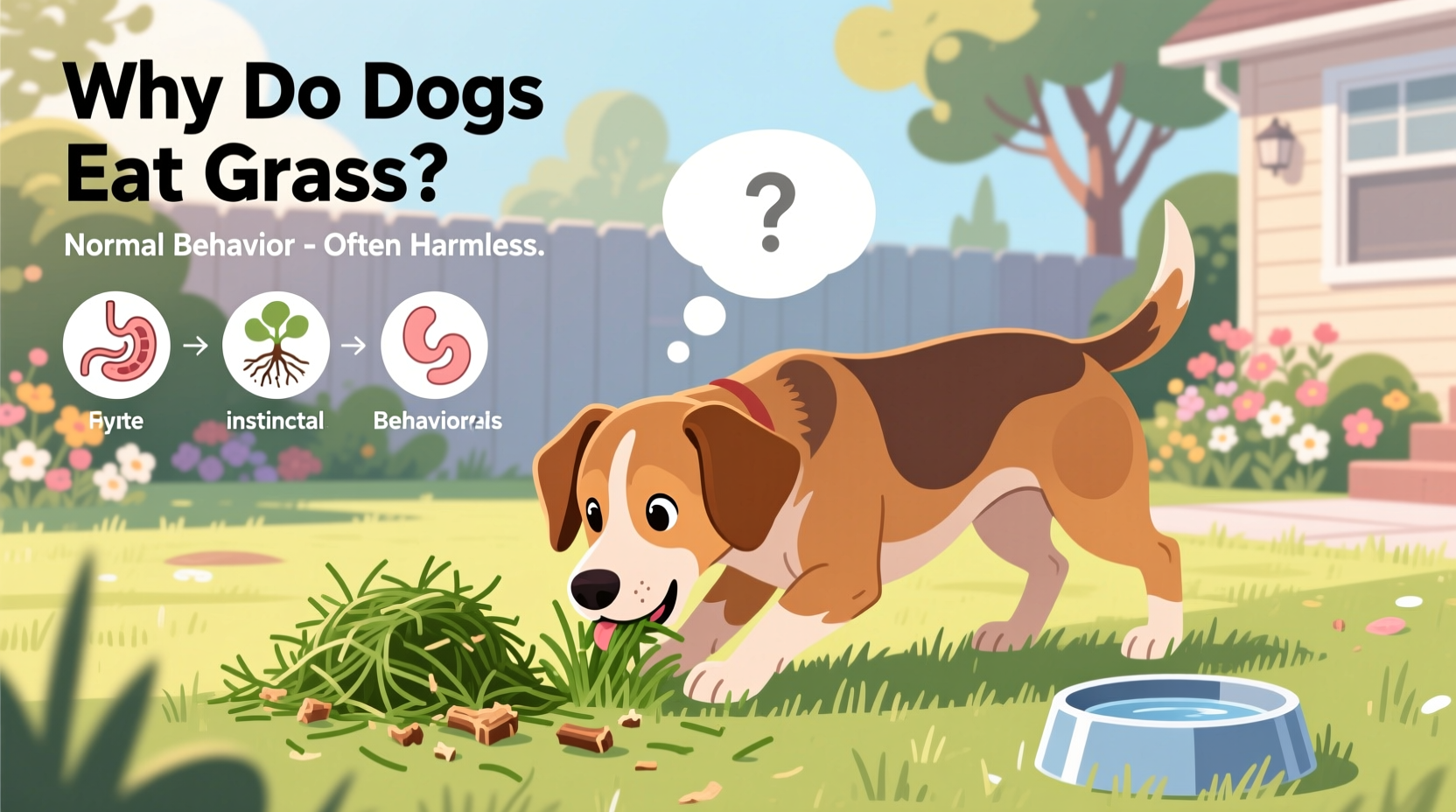
Studies have shown that grass eating is widespread among domestic dogs. A 2007 study published in *Applied Animal Behaviour Science* surveyed over 1,500 dog owners and found that approximately 79% of dogs regularly consume grass. Interestingly, only 6% of those dogs appeared sick beforehand, and just 22% vomited afterward. These findings challenge the long-held assumption that dogs eat grass primarily to induce vomiting or relieve gastrointestinal distress.
Instead, researchers concluded that grass eating is largely a normal, non-pathological behavior. In fact, younger dogs were more likely to engage in the habit, suggesting it may be linked to curiosity, playfulness, or developmental exploration rather than illness. The study also noted that dogs who ate grass more frequently were less likely to show signs of illness before or after, further supporting the idea that it’s often a routine, harmless activity.
“Grass eating is a common and usually benign behavior in dogs. It doesn’t necessarily indicate illness, especially if the dog appears otherwise healthy.” — Dr. Karen Sueda, Veterinary Behaviorist at VCA West Los Angeles Animal Hospital
Possible Reasons Dogs Eat Grass
No single explanation fits all cases, but several theories are supported by veterinary observation and research:
- Natural Instinct: Dogs are omnivores with evolutionary roots in scavenging. Their wild ancestors consumed plant material through the stomach contents of prey animals. Eating grass may be an ingrained behavior passed down through generations.
- Dietary Supplementation: Some believe dogs seek out grass to supplement fiber or micronutrients missing in their diet. However, most commercial dog foods are nutritionally complete, making deficiencies unlikely in well-fed pets.
- Upset Stomach Relief: While not the primary reason for most dogs, some may eat grass to trigger vomiting when experiencing mild gastrointestinal discomfort. The coarse texture can irritate the throat or stomach lining, prompting regurgitation.
- Boredom or Anxiety: Dogs left alone for long periods or lacking mental stimulation may turn to grass eating as a form of displacement behavior—a way to cope with stress or under-stimulation.
- Taste and Texture Preference: Many dogs simply enjoy the taste or sensation of chewing fresh grass, particularly in spring and early summer when it’s tender and lush.
When Grass Eating May Signal a Problem
While generally harmless, certain patterns should prompt closer attention. Grass consumption becomes worrisome when accompanied by other symptoms or unusual behaviors:
- Eating large quantities of grass obsessively
- Repeated vomiting, especially with blood or bile
- Lethargy, diarrhea, or loss of appetite
- Attempting to eat toxic plants or chemically treated lawns
- Sudden onset of grass eating in an older dog with no prior history
In such cases, the behavior may reflect underlying medical issues like inflammatory bowel disease, parasites, pancreatitis, or gastric reflux. Behavioral disorders such as pica (the urge to eat non-food items) could also be at play, particularly if the dog consumes dirt, plastic, or fabric alongside grass.
Warning Signs Checklist
If your dog exhibits any of the following, consult your veterinarian:
- Grass eating occurs multiple times daily and seems compulsive
- Vomiting happens regularly after grass consumption
- The dog appears unwell before eating grass (whining, pacing, lip-licking)
- There’s evidence of pesticide or herbicide exposure
- Other gastrointestinal symptoms persist beyond 24 hours
Safe vs. Unsafe Grass: What Owners Need to Know
Not all grass is safe for dogs. The real danger often lies not in the grass itself, but in what’s on it. Lawns treated with fertilizers, herbicides, or pesticides can pose serious health risks. Common chemicals like glyphosate, 2,4-D, and organophosphates have been linked to kidney damage, neurological issues, and even cancer in dogs with chronic exposure.
Additionally, public parks or roadside grass may be contaminated with animal feces carrying parasites such as hookworms, roundworms, or giardia. Ingesting infected grass can lead to intestinal infections requiring medical treatment.
| Factor | Safe Scenario | Unsafe Scenario |
|---|---|---|
| Chemical Treatment | Untreated organic lawn | Recently fertilized or weeded yard |
| Parasite Risk | Private yard with controlled pet access | Park grass with visible animal waste |
| Frequency | Occasional grazing | Daily, obsessive consumption |
| After Effects | No vomiting or discomfort | Regular vomiting or diarrhea |
| Dog’s Age & Health | Young, healthy dog | Senior dog with known GI issues |
A Real-Life Example: Max the Labrador
Consider Max, a three-year-old Labrador Retriever living in suburban Chicago. His owner, Sarah, noticed he’d started eating grass every morning during their walks. At first, she assumed he was trying to make himself throw up due to a stomach issue. She switched his food, eliminated table scraps, and even consulted her vet, who found no abnormalities.
After keeping a two-week journal of Max’s behavior, Sarah realized he only ate grass on days when he hadn’t had enough playtime the previous evening. On weekends, when they visited a large dog park, Max showed little interest in grass. The pattern suggested boredom—not illness—as the driving factor. Sarah adjusted his routine to include more interactive games and puzzle toys. Within a week, Max’s grass-eating dropped significantly.
This case illustrates how environmental and behavioral factors can outweigh medical ones. Without jumping to conclusions, observing patterns helped identify a simple solution.
How to Respond: Practical Steps for Dog Owners
Reacting to grass eating requires a balanced approach—neither ignoring potential red flags nor over-medicating a normal behavior. Here’s a step-by-step guide to managing the habit:
- Observe Frequency and Context: Track when, where, and how often your dog eats grass. Note accompanying behaviors like vomiting or restlessness.
- Assess Diet Quality: Ensure your dog is on a balanced, high-fiber diet. Some owners find success adding steamed vegetables (like green beans or pumpkin) to meals for natural fiber supplementation.
- Improve Mental Stimulation: Provide chew toys, treat puzzles, or training sessions to reduce boredom-related grazing.
- Limit Access to Treated Lawns: Avoid letting your dog graze in areas sprayed with chemicals. Consider growing a small patch of pet-safe grass indoors using wheatgrass seeds.
- Schedule a Vet Check-Up: If the behavior is new, intense, or paired with illness signs, rule out medical causes like parasites or gastrointestinal disorders.
Frequently Asked Questions
Does eating grass mean my dog has worms?
Not necessarily. While intestinal parasites can cause changes in appetite or digestion, grass eating alone is not a reliable indicator of worm infestation. Look for other signs like weight loss, diarrhea, a bloated belly, or visible worms in stool. A fecal test from your vet is the only accurate way to diagnose parasites.
Should I stop my dog from eating grass completely?
No—unless the grass is contaminated or the behavior is excessive. Occasional grass consumption is normal and likely instinctive. Instead of prevention, focus on ensuring safety by avoiding chemically treated areas and monitoring for adverse effects.
Can too much grass cause blockages?
In rare cases, yes. If a dog consumes large amounts of dry, fibrous grass, it could contribute to gastrointestinal obstruction, especially if combined with foreign objects. This is uncommon but more likely in dogs who swallow grass rapidly without chewing. Watch for signs like persistent vomiting, lack of appetite, or straining to defecate.
Expert Insight: What Veterinarians Recommend
Veterinary consensus emphasizes context over alarm. “We see many owners come in worried because their dog eats grass,” says Dr. Linda Simon, a practicing vet and contributor to *Purina Pro Club*. “But unless there’s vomiting, lethargy, or a sudden change in habit, we usually reassure them. Dogs are curious, and grass is part of their environment.”
She adds: “The bigger concern is what’s on the grass. I always ask owners about lawn treatments and whether they let their dogs roam freely in public spaces. That’s where the real risks lie.”
“Focus less on the grass and more on the overall picture—diet, behavior, environment. That’s where answers usually emerge.” — Dr. Linda Simon, MVB, Veterinary Consultant
Conclusion: A Natural Habit Worth Understanding
Dogs eat grass for a variety of reasons, most of which fall within the range of normal behavior. For the majority of healthy dogs, it’s a harmless, possibly instinct-driven activity with no link to illness. However, vigilance matters when patterns shift or other symptoms appear. By understanding the motivations behind grass consumption—be it taste, boredom, or mild digestive aid—owners can make informed decisions without undue anxiety.
The key is observation, not intervention. Keep your dog’s environment safe, ensure a balanced diet, and provide mental enrichment. If in doubt, consult your veterinarian—but don’t assume the worst when your dog takes a casual bite of lawn. Nature, after all, built dogs to explore it—sometimes one blade at a time.
💬 Have a story about your dog and grass-eating habits? Share your experience in the comments below—your insight could help fellow pet owners understand this common behavior better.








