
Dog owners around the world have witnessed it: one moment, their pet is dripping wet and mildly disgruntled in the bathtub; the next, they’re tearing through the house at full speed, skidding around corners, leaping over furniture, and spinning in wild circles. This burst of frenetic energy—commonly known as “zoomies”—is both hilarious and bewildering. But why does it happen specifically after a bath? While it might seem random or purely playful, science offers several compelling explanations rooted in canine psychology, neurology, and instinctual behavior.
Understanding the phenomenon requires looking beyond surface-level cuteness. The post-bath zoomies are not just a quirky habit—they reflect deep-seated biological mechanisms that govern how dogs process stress, regulate energy, and respond to sensory changes. From evolutionary instincts to neurological shifts, multiple factors converge to create this iconic canine spectacle.
The Science Behind Canine Zoomies
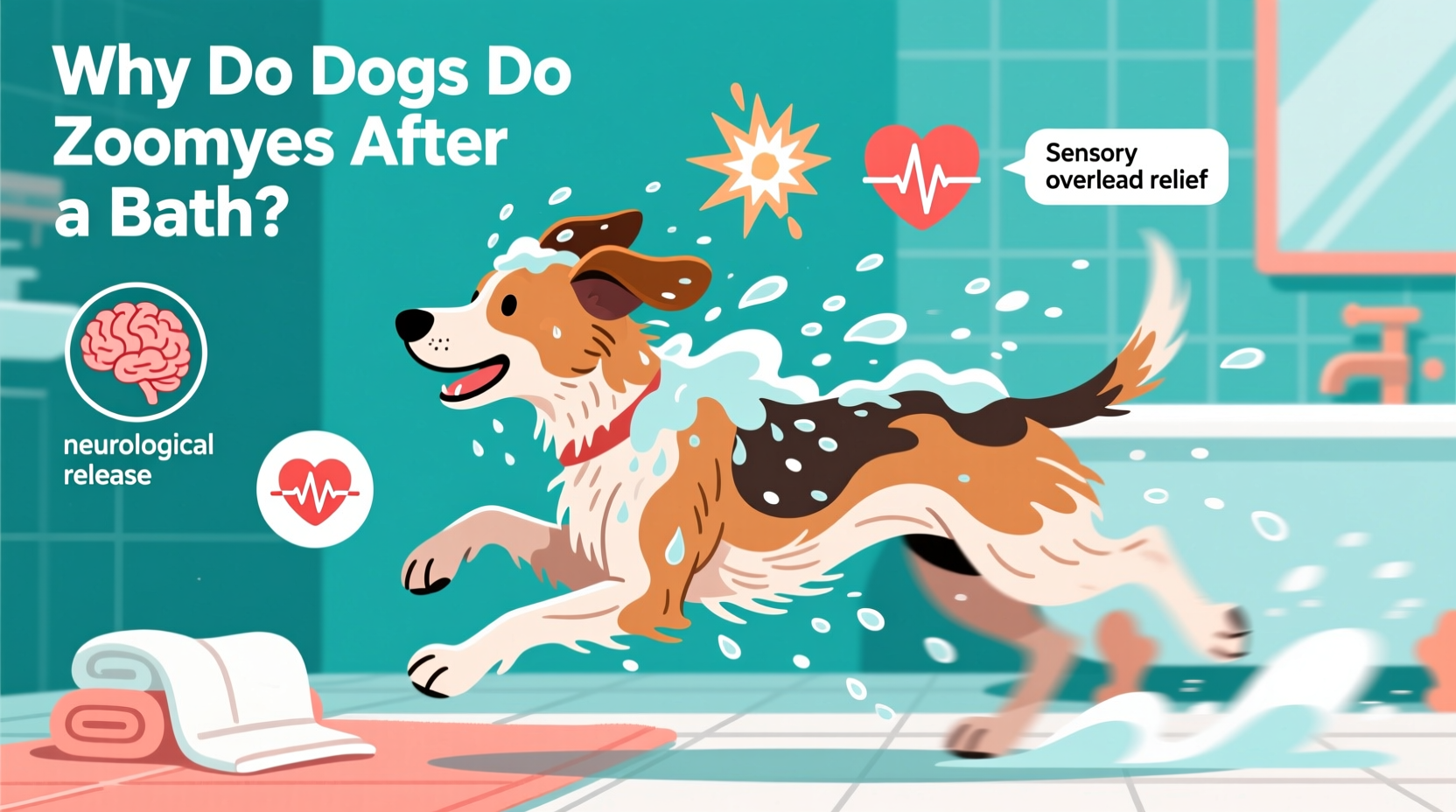
Zoomies, technically referred to as Frenetic Random Activity Periods (FRAPs), are sudden bursts of high-energy activity seen in dogs—and occasionally cats—typically lasting between 10 seconds and a few minutes. These episodes involve sprinting, jumping, tail-chasing, and exaggerated movements that appear chaotic but serve a functional purpose.
Neurologically, FRAPs are linked to the release of pent-up energy and emotional regulation. When a dog experiences a stimulating or stressful event—like a bath—their nervous system may respond with an adrenaline surge. This hormone, produced by the adrenal glands, increases heart rate, sharpens focus, and prepares the body for action. In humans, such a response might manifest as pacing or fidgeting. In dogs, it often results in explosive physical exertion.
According to Dr. Karen Overall, a board-certified veterinary behaviorist, “FRAPs are normal, species-typical behaviors that help animals discharge excess arousal. They’re not signs of distress but rather self-regulatory mechanisms.” After a bath, which can be physically and emotionally taxing for many dogs, zoomies act as a pressure valve, allowing them to reset their internal state.
Sensory Overload and Scent Disruption
One of the most significant triggers for post-bath zoomies lies in the dog’s acute sense of smell. Dogs rely on olfactory cues far more than humans do—some breeds have up to 300 million scent receptors compared to our mere 5 million. A dog’s unique scent signature is critical to their identity, social communication, and environmental awareness.
When you bathe a dog, you strip away layers of natural oils, environmental scents, and even pheromones embedded in their fur. To a dog, this can feel like losing part of their identity. The sudden absence of familiar odors creates sensory disorientation. As Dr. Alexandra Horowitz, cognitive scientist and author of *Inside of a Dog*, explains: “Dogs live in a world of smells. Removing their scent is akin to blurring their vision—it disrupts their sense of self and place.”
In response, some dogs engage in hyperactive behavior to re-establish their presence. Rolling on the ground, rubbing against furniture, or sprinting around may be attempts to redistribute new scents onto their coat or regain a feeling of control. The erratic movement also helps them recalibrate their proprioception—the body’s awareness of its position in space—after being handled, wet, and confined during the bath.
Tip: To reduce scent-related anxiety, avoid over-bathing your dog. Most only need a bath every 4–8 weeks unless medically necessary.Relief and Release from Stress
For many dogs, baths are not enjoyable. Being restrained, doused in water, and scrubbed with unfamiliar-smelling products can trigger low-level stress responses—even in well-socialized pets. While they may tolerate the experience, their bodies still register it as a minor threat, activating the sympathetic nervous system.
Once the bath ends and the dog is released, the nervous system shifts from “fight-or-flight” mode to recovery. This transition often includes a rebound effect: the stored tension is discharged through rapid movement. Think of it like shaking your limbs after waking from a stiff nap or taking a deep breath after holding it too long. Zoomies function similarly—a physiological reset button.
This release is especially common in high-energy breeds like Border Collies, Jack Russell Terriers, and Australian Shepherds. These dogs are predisposed to intense focus and physical output, making them more likely to exhibit dramatic behavioral shifts when transitioning between states of constraint and freedom.
Temperature and Tactile Sensations
The physical sensation of being wet plays a role in triggering zoomies. Water alters the way a dog feels their body. Wet fur clings differently, changes weight distribution, and may cause temporary discomfort—especially if water gets trapped in ears or between paw pads. Some dogs dislike the coolness of evaporating water on their skin, which can lead to shivering or frantic running in an attempt to generate warmth or shake off the sensation.
Additionally, certain shampoos contain fragrances or detergents that leave behind tingling or irritating residues, particularly if not rinsed thoroughly. Even mild irritation can prompt a dog to dash around, attempting to “escape” the sensation. This behavior mimics how wild canids roll in strong-smelling substances to mask their odor—a survival tactic repurposed into a domestic expression of discomfort or novelty.
| Cause | Biological Mechanism | Behavioral Response |
|---|---|---|
| Scent Removal | Loss of olfactory identity | Rolling, rubbing, sprinting to re-scent |
| Adrenaline Surge | Stress-induced epinephrine release | FRAPs to discharge nervous energy |
| Tactile Discomfort | Wet fur, temperature change, residue | Shaking, running, scratching |
| Restraint Release | Shift from sympathetic to parasympathetic state | Burst of movement as relief reflex |
| Play Instinct | Positive association with owner attention | Excitement-driven chasing or leaping |
Evolutionary Roots of the Post-Bath Sprint
The zoomies aren’t merely a modern quirk of domestication—they echo ancestral behaviors seen in wild canids. Wolves, foxes, and coyotes frequently engage in sudden sprints after emerging from water, rolling in dirt, or escaping predators. These bursts serve multiple purposes: drying off, shedding parasites, marking territory, or signaling safety to the pack.
In domestic dogs, these instincts remain encoded in their DNA. Though they no longer need to evade predators or hunt for survival, the neural circuits for rapid response and environmental reassessment are still active. A bath, with its combination of confinement, water exposure, and scent alteration, inadvertently mimics conditions that would historically precede such behaviors in the wild.
Moreover, many dogs associate baths with human interaction and attention. If the post-bath period involves towel-drying, treats, or play, the zoomies can become reinforced as part of a reward sequence. The dog learns that enduring the bath leads to freedom, affection, and stimulation—making the subsequent energy release both biologically driven and contextually rewarded.
“Zoomies after a bath are a blend of biology and biography. They reflect innate drives shaped by evolution and fine-tuned by individual experience.” — Dr. John Bradshaw, Anthrozoologist and Author of *Dog Sense*
How to Manage Post-Bath Zoomies Safely
While zoomies are generally harmless, they can pose risks in cluttered homes or around fragile objects. Unchecked, a high-speed dog may collide with furniture, slip on floors, or accidentally injure themselves or others. Managing this behavior doesn’t mean suppressing it—it means guiding it toward safer outcomes.
The key is preparation and redirection. By anticipating the post-bath energy spike, owners can minimize hazards and even use the moment for positive engagement.
Step-by-Step Guide to Handling Post-Bath Zoomies
- Prepare the Environment: Before bathing your dog, clear open spaces of breakable items. Close off stairwells or rooms with slippery floors if possible.
- Use a Gentle Drying Method: Towel-dry thoroughly, and if using a blow dryer, keep it on low heat and a safe distance to avoid startling your dog.
- Provide Immediate Outlets: Right after drying, take your dog outside or to a secure indoor area where they can run safely.
- Engage in Structured Play: Redirect energy with fetch, tug-of-war, or agility drills instead of letting it spiral into uncontrolled chaos.
- Stay Calm: Avoid yelling or chasing your dog during zoomies, as this can escalate excitement. Wait for the episode to end before offering praise or treats.
Mini Case Study: Max the Terrier Mix
Max, a three-year-old Jack Russell Terrier mix, had a reputation for turning every bath into a demolition derby. His owner, Sarah, reported that within seconds of stepping out of the tub, Max would bolt through the house, knocking over lamps and sliding into walls. Concerned about safety, she consulted a canine behavior specialist.
The assessment revealed that Max’s zoomies were triggered by a combination of factors: he disliked the citrus-scented shampoo, found the bathroom acoustics overwhelming, and had learned that frantic behavior led to immediate playtime. By switching to a fragrance-free hypoallergenic shampoo, drying him in a quieter room, and introducing a five-minute structured play session post-bath, Sarah reduced Max’s uncontrolled zoomies by over 70% within two weeks. The remaining bursts became shorter and less destructive, occurring primarily outdoors.
This case illustrates how small environmental and routine adjustments can significantly influence post-bath behavior without eliminating natural expressions of energy.
Checklist: Reducing Post-Bath Zoomie Intensity
- ✔ Bathe only when necessary (every 4–8 weeks for most dogs)
- ✔ Use unscented, dog-specific shampoos
- ✔ Rinse thoroughly to prevent skin or fur irritation
- ✔ Dry your dog promptly with absorbent towels
- ✔ Offer a controlled outlet for energy (walk, play, puzzle toy)
- ✔ Avoid reinforcing chaotic behavior with excited reactions
- ✔ Consider desensitization training if baths cause extreme stress
Frequently Asked Questions
Are zoomies after a bath a sign of happiness?
They can be—but not always. While some dogs express joy through zoomies, others are releasing stress or reacting to sensory changes. Context matters: if your dog avoids the tub, tenses up during washing, or seems anxious afterward, the zoomies are more likely a coping mechanism than pure excitement.
Can I stop my dog from getting zoomies after a bath?
You likely can’t eliminate them entirely, nor should you. Zoomies are a natural, healthy behavior. Instead of stopping them, focus on managing the environment and redirecting energy. With consistent routines and proper outlets, the intensity and duration can be minimized.
Should I be worried if my dog doesn’t get zoomies after a bath?
No. Not all dogs exhibit zoomies, and their absence isn’t a cause for concern. Some dogs are naturally calmer, older, or less sensitive to sensory shifts. As long as your dog appears comfortable and behaves normally, there’s no issue.
Conclusion: Embracing the Chaos with Understanding
The post-bath zoomies are more than just a funny canine quirk—they’re a window into the complex interplay of instinct, emotion, and physiology that defines dog behavior. By recognizing the scientific underpinnings of this phenomenon, owners can move beyond amusement to informed care. Rather than seeing zoomies as misbehavior, they can be appreciated as a natural, adaptive response to change.
With thoughtful preparation and a bit of patience, you can ensure that your dog’s post-bath energy is expressed safely and constructively. Celebrate the zoomies not as chaos, but as a testament to your dog’s vibrant spirit and evolutionary heritage.
🚀 Ready to make bath time smoother? Start by observing your dog’s triggers and adjusting one element at a time—from shampoo choice to drying location. Share your success story or tips in the comments below and help fellow dog owners decode the science behind the sprint!








