
Dogs are creatures of habit, and many of their behaviors—no matter how small—trace back to ancient survival strategies. One such action, often observed in homes across the world, is the ritualistic circling a dog performs before settling down to rest. Whether on a plush dog bed or a patch of grass, most canines turn in tight circles one, two, or even three times before finally lying down. While this may seem like an odd quirk, it is deeply rooted in evolutionary biology. Understanding this behavior offers insight into your dog’s instincts, comfort needs, and ancestral lineage.
This seemingly simple act is far more than just routine—it’s a legacy passed down from wild ancestors who relied on vigilance and environmental awareness for survival. By examining the historical, biological, and practical reasons behind this behavior, we gain a clearer picture of how domestication has shaped, but not erased, primal canine instincts.
The Evolutionary Origins of Circling Behavior
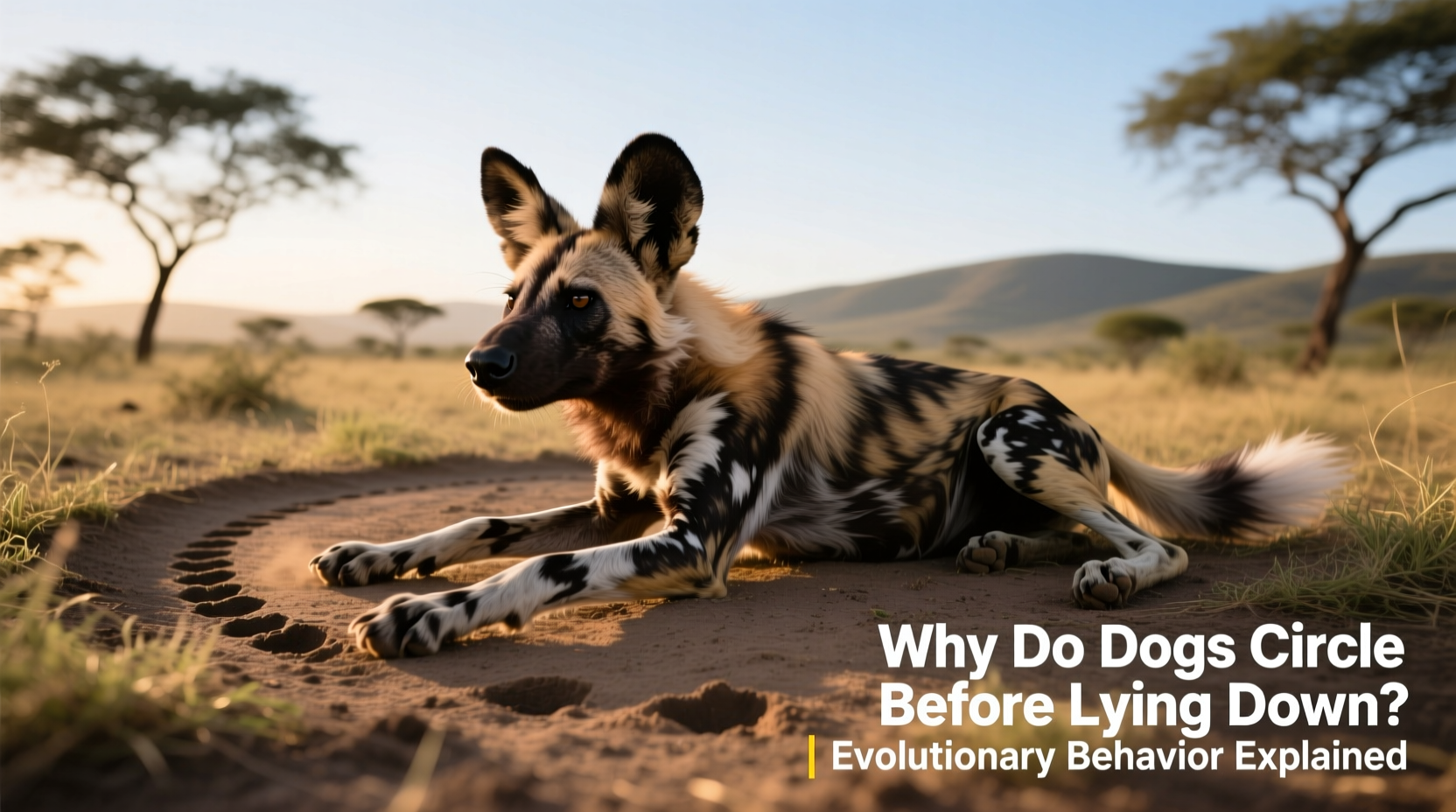
In the wild, dogs’ ancestors—such as wolves and other canids—lived in environments where safety was never guaranteed. Before resting, they needed to ensure their chosen sleeping spot was free from threats, pests, and physical discomfort. Circling served multiple purposes: flattening tall grass, checking for snakes or insects, and aligning themselves with wind direction to better detect approaching predators.
This behavior helped create a safe micro-environment. By trampling down vegetation, early canids made their resting place less hospitable to hidden dangers and more comfortable for sleep. The motion also allowed them to assess the terrain—avoiding sharp rocks or uneven ground that could cause discomfort or injury during long periods of rest.
Modern domestic dogs retain this instinct, even when living in climate-controlled homes with orthopedic beds. The circling motion persists because it is hardwired into their genetic programming. It’s not learned; it’s inherited. Even puppies perform this action before they’ve had any exposure to outdoor sleeping conditions, suggesting a strong innate component.
“Circling before lying down is a fixed action pattern in canids—an automatic sequence triggered by the intention to rest. It’s a behavioral fossil, preserved through generations despite changes in environment.” — Dr. Lena Torres, Ethologist and Canine Behavior Researcher, University of Colorado
Physiological and Environmental Triggers
Beyond evolution, several physiological factors influence circling behavior. Dogs have a heightened sensitivity to their surroundings, relying on scent, touch, and spatial awareness to feel secure. The act of turning helps them orient themselves within a space, much like humans might fluff a pillow or adjust a blanket before lying down.
Additionally, circling may help regulate body temperature. In cooler climates, wild dogs would curl tightly after circling to conserve heat. In warmer regions, spreading out after a few turns could aid in cooling. Domestic dogs still respond to thermal cues—many will circle near a heater in winter or seek a cool tile floor in summer, performing the same ritual regardless of surface type.
Scent marking also plays a role. As dogs walk in circles, they deposit pheromones from glands in their paws, subtly claiming the area as their own. This territorial signal reinforces a sense of safety, signaling to themselves (and other animals) that this is “their” space.
Tip: If your dog circles excessively or seems unable to settle, consider whether pain, anxiety, or cognitive decline might be interfering with this natural behavior.When Circling Signals a Health Concern
While occasional circling is normal, dramatic increases in frequency, duration, or difficulty lying down may indicate underlying health issues. Older dogs, in particular, may struggle due to arthritis or joint stiffness, making the turning motion painful or laborious. Neurological conditions such as vestibular disease or canine cognitive dysfunction (similar to dementia in humans) can also disrupt normal patterns.
Excessive circling—defined as more than four or five rotations without settling—should prompt a veterinary consultation. Other red flags include:
- Whining or hesitation during the process
- Sudden onset in a dog that previously didn’t circle
- Attempting to lie down but failing repeatedly
- Pacing instead of resting
In some cases, obsessive-compulsive behaviors can develop, especially in dogs with limited stimulation or high anxiety. These may require behavioral intervention alongside medical evaluation.
Common Medical Causes of Abnormal Circling
| Condition | Symptoms | Recommended Action |
|---|---|---|
| Arthritis | Limping, stiffness, reluctance to move | Veterinary exam, pain management, joint supplements |
| Vestibular Disease | Head tilt, loss of balance, nausea | Immediate vet visit; often treatable |
| Canine Cognitive Dysfunction | Confusion, nighttime pacing, disorientation | Behavioral therapy, medication, environmental enrichment |
| Anxiety or OCD | Repetitive actions, hyper-vigilance | Training, enrichment, possible anti-anxiety treatment |
A Real-Life Example: Max, the Rescue Shepherd
Max, a six-year-old German Shepherd mix, was adopted from a rural shelter where he lived outdoors year-round. After moving into a quiet suburban home, his new owners noticed he circled intensely before lying down—even on soft carpets indoors. At first, they assumed he was adjusting to a new environment. But over time, the behavior intensified: he’d spin five to seven times, sometimes aborting the attempt and walking away.
Concerned, they consulted a veterinarian. X-rays revealed early-stage hip dysplasia, which caused discomfort when transitioning from standing to lying positions. The circling wasn’t just instinct—it was an attempt to find a pain-free posture. With anti-inflammatory medication and a supportive memory foam bed, Max’s circling reduced significantly within weeks. He now turns once or twice before lying down, closely resembling typical canine behavior.
This case illustrates how instinct and health intersect. What appears to be purely evolutionary behavior can mask physical discomfort, especially in dogs with a history of hard living conditions.
Step-by-Step: How to Support Healthy Resting Behavior
You can’t eliminate circling—it’s a natural part of your dog’s routine—but you can support it in ways that enhance comfort and well-being. Follow these steps to encourage healthy resting habits:
- Provide a Comfortable Sleeping Surface: Choose a supportive bed with memory foam or orthopedic padding, especially for older or large-breed dogs.
- Maintain a Consistent Routine: Dogs thrive on predictability. A regular schedule for walks, meals, and bedtime reduces anxiety and promotes smoother transitions to rest.
- Observe the Pattern: Note how many times your dog circles, how long it takes to lie down, and whether there’s vocalization or hesitation.
- Monitor Changes Over Time: Sudden shifts in behavior—like increased circling or refusal to lie down—warrant a vet check-up.
- Reduce Environmental Stressors: Minimize loud noises, bright lights, or disruptions near your dog’s resting area to promote a sense of security.
- Encourage Mental and Physical Exercise: A tired dog is more likely to rest comfortably. Daily walks, play, and training sessions help prevent restlessness.
Practical Tips for Dog Owners
Tip: Place your dog’s bed in a quiet, low-traffic area. Dogs prefer corners or against walls, where they feel protected from behind. Tip: Rotate bedding regularly to keep it clean and odor-free. Strong scents can deter dogs from settling, even if the bed looks inviting. Tip: If your dog circles outside, inspect the area for thorns, insects, or debris that might discourage lying down.Do’s and Don’ts of Responding to Circling Behavior
| Do’s | Don’ts |
|---|---|
| Allow your dog to complete the circling ritual without interruption | Force your dog to lie down before they’re ready |
| Provide a supportive, clean sleeping area | Use punishment or correction for repetitive behavior |
| Monitor for signs of pain or confusion | Assume all circling is normal without observing context |
| Consult a vet if behavior changes suddenly | Ignore persistent pacing or inability to rest |
Frequently Asked Questions
Is it normal for my dog to circle three times every time they lie down?
Yes, this is entirely normal. The number of circles varies by individual, breed, and environment. Three turns is common and reflects a well-practiced instinctual routine. As long as your dog settles comfortably afterward, there’s no cause for concern.
Why does my dog circle but then not lie down?
If your dog circles repeatedly without lying down, it could signal discomfort, anxiety, or environmental stress. Check for physical pain, unfamiliar sounds, or an unsuitable surface. Persistent pacing should be evaluated by a veterinarian.
Do all dog breeds circle before lying down?
Most do, though the intensity varies. Herding and working breeds often display more pronounced circling, possibly due to higher instinctual drive. Some small breeds or highly domesticated dogs may skip the behavior altogether, but it remains widespread across the species.
Final Thoughts: Honoring Your Dog’s Instincts
The simple act of circling before lying down is a window into your dog’s evolutionary past. It connects today’s beloved pets to their wild ancestors—animals that survived through caution, adaptation, and finely tuned behaviors. While modern life has removed many of the original threats, the instinct remains because it once meant the difference between safety and danger.
As responsible pet owners, we don’t need to stop this behavior—we need to understand it. By recognizing circling as a natural, functional act, we respect our dogs’ biological heritage. And when we notice deviations from the norm, we’re better equipped to respond with care and compassion.
Your dog isn’t just spinning in circles—they’re following a script written thousands of years ago. Honor that legacy by providing a safe, comfortable space where instinct and well-being coexist.
💬 Have you noticed unique resting habits in your dog? Share your observations in the comments—your experience could help other pet owners better understand their furry companions.








