
Dogs burying food may seem puzzling, especially when they’re well-fed and living in a safe home. Yet, this behavior is deeply ingrained in their evolutionary history. Long before kibble was poured into stainless steel bowls, wild canids had to survive in environments where meals were unpredictable. Burying excess food wasn’t quirky—it was essential. Today, even pampered house dogs may hide treats under couch cushions or scratch at carpets after dinner. This act isn’t confusion or misbehavior; it’s a survival instinct passed down through generations. Understanding this behavior provides insight into canine psychology and helps owners respond with empathy rather than frustration.
The Evolutionary Roots of Food Caching
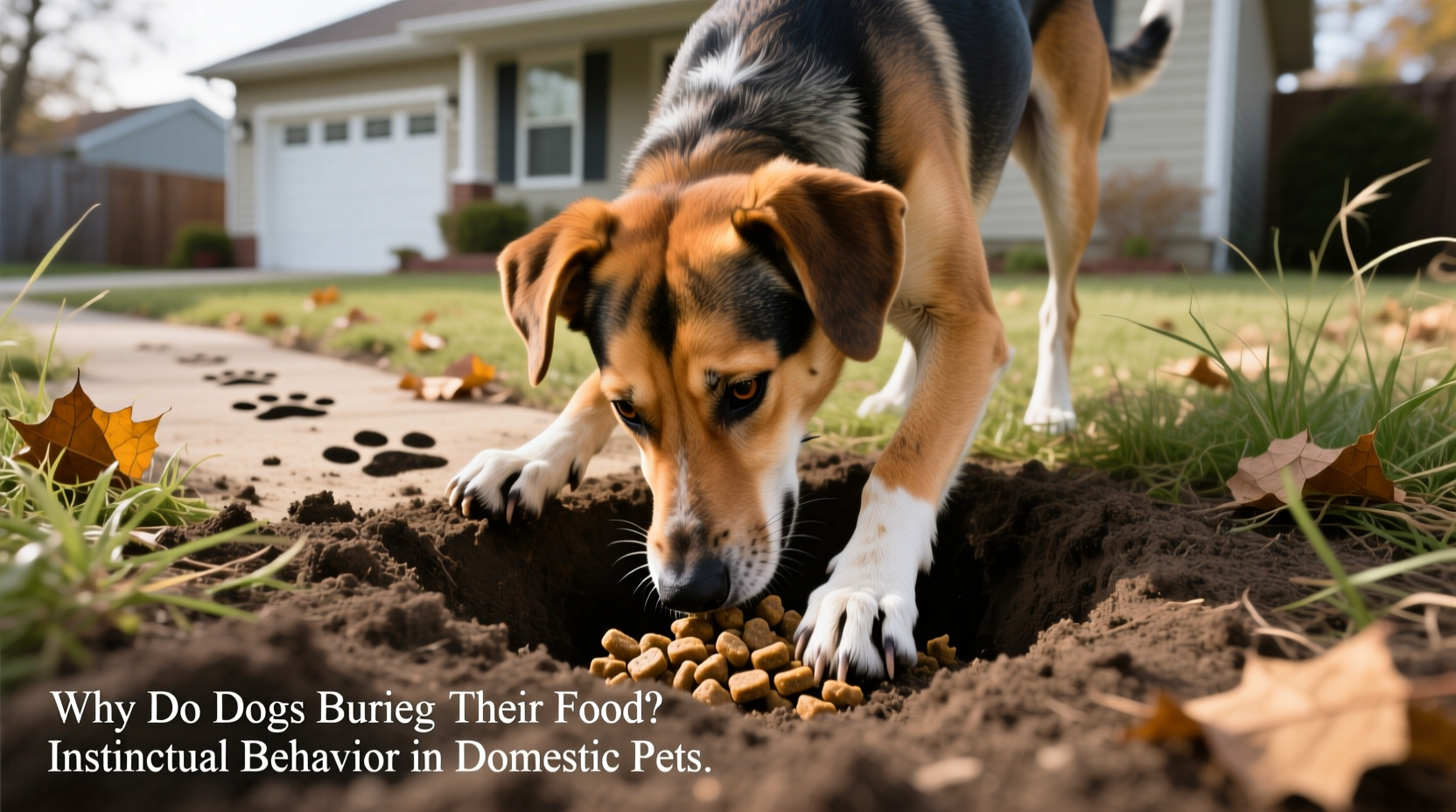
The practice of hiding food—known as caching—is common among many species, particularly carnivores and omnivores facing irregular food supplies. Wolves, coyotes, foxes, and other ancestors of modern dogs relied on this strategy to preserve resources. In the wild, a successful hunt doesn’t guarantee tomorrow’s meal. A large kill might feed a pack for one day, but leaving the rest exposed invites scavengers like birds, bears, or rival predators. By burying surplus meat beneath soil, leaves, or snow, wild canids reduce scent dispersion and protect their investment.
This behavior ensured that food could be retrieved later during lean times. Over thousands of years, natural selection favored individuals who effectively cached and remembered storage locations. These traits became hardwired into the canine brain, surviving the transition from wild hunter to household companion.
Domestication has changed many aspects of dog behavior, but core instincts remain intact. Even dogs with full bellies and scheduled feeding times may feel compelled to “hide” leftover snacks. It’s not about hunger—it’s about biology.
“Food caching is not a learned habit but an inherited survival mechanism. We see it across breeds, regardless of upbringing.” — Dr. Lena Torres, Canine Ethologist, University of Colorado
How Instinct Manifests in Modern Homes
In a domestic setting, dogs don’t need to hoard food for survival. Yet, the impulse persists. You might observe your dog pushing a treat under a rug, nudging a chew toy beneath furniture, or performing exaggerated digging motions on the carpet after eating. These actions mimic burial behavior, adapted to an environment without dirt.
Several factors influence how strongly this instinct presents itself:
- Breed predisposition: Primitive breeds like Siberian Huskies or Alaskan Malamutes often display more pronounced caching behaviors due to closer genetic ties to wolves.
- Resource guarding tendencies: Some dogs are naturally more possessive of food, increasing the likelihood of hiding it.
- Feeding schedule unpredictability: Dogs fed inconsistently—or those rescued from neglectful situations—may perceive food as scarce, triggering stronger preservation instincts.
- Presence of other pets: Competition over resources can amplify caching, even if conflict never occurs.
Interestingly, dogs don’t always retrieve buried items. Unlike their wild counterparts, domestic dogs rarely face true food shortages. Once the act of concealment is complete, the mental reward—the satisfaction of securing a resource—has already been achieved. The hidden treat may be forgotten entirely, sometimes rediscovered weeks later by an owner vacuuming under the sofa.
Tip: If your dog hides food indoors, provide a designated “burial box” filled with shredded paper or fabric scraps to redirect the behavior appropriately.When Burying Becomes Problematic: Signs and Solutions
While food caching is normal, it can lead to issues in certain cases. Spoiled hidden food can attract pests or create odors. Excessive digging may damage flooring or indicate anxiety. In multi-pet homes, attempts to bury food can escalate into conflicts if another animal interferes.
Consider these scenarios where intervention may be necessary:
| Situation | Potential Issue | Recommended Response |
|---|---|---|
| Dog hides high-value treats daily | Wasted food, possible digestive overload if retrieved later | Limits access to one treat at a time; supervise consumption |
| Digging damages hardwood floors | Property damage, potential paw injury | Redirect to outdoor sandbox or indoor play bin |
| Aggression when guarding buried items | Risk of bites, social tension | Consult a certified behaviorist; avoid punishment-based correction |
| Obsessive caching despite no food scarcity | Possible compulsive disorder | Evaluate enrichment levels; rule out medical causes |
Mini Case Study: Bella the Border Collie
Bella, a three-year-old Border Collie, began burying her dental chews under throw pillows shortly after being adopted. Her owner, concerned about cleanliness, tried scolding her each time. The behavior worsened. After consulting a trainer, they learned Bella had lived in a shelter with inconsistent feeding for months prior. Though now well-fed, her brain still operated under perceived scarcity.
The solution wasn’t suppression but redirection. Her owner introduced a canvas pouch labeled “Bella’s Stash,” placed near her bed. Inside, she was allowed to “bury” one treat per day. Over six weeks, Bella’s indoor digging decreased by 80%. She occasionally checked the pouch, reinforcing her sense of control over resources. No punishment was used—only structure and understanding.
Supporting Natural Behavior Responsibly
Attempting to eliminate instinctive behavior entirely is neither practical nor fair. Instead, responsible pet ownership involves guiding these impulses into acceptable outlets. Dogs thrive when their natural drives are acknowledged and accommodated within safe boundaries.
Here’s how to support healthy expression of food caching:
- Create a designated caching zone: Use a shallow bin filled with safe materials (e.g., rice, shredded paper, or fake grass) where your dog can dig and hide treats.
- Rotate hidden rewards: Occasionally place edible rewards in the bin so your dog experiences successful retrieval, reinforcing positive associations.
- Maintain consistent mealtimes: Predictable feeding schedules reduce anxiety around food availability.
- Avoid reinforcing obsession: Don’t encourage excessive burying by offering multiple treats in quick succession solely to watch the behavior unfold.
- Monitor for spoilage: If using organic materials in a caching box, clean it weekly to prevent mold or bacterial growth.
Checklist: Managing Food-Burying Behavior
- ✅ Observe when and where your dog buries food
- ✅ Rule out medical issues (e.g., gastrointestinal discomfort causing selective eating)
- ✅ Assess whether food insecurity (past or present) could be a trigger
- ✅ Provide alternative outlets like digging boxes or interactive feeders
- ✅ Avoid punishment; instead, redirect to appropriate behaviors
- ✅ Consult a veterinary behaviorist if aggression or compulsion is present
- ✅ Celebrate small progress—behavior change takes time
Frequently Asked Questions
Is food burying a sign my dog is hungry?
Not necessarily. Most dogs that cache food are adequately nourished. The behavior stems from instinct, not current nutritional need. However, sudden changes in appetite or food-related behavior should prompt a vet visit to rule out underlying conditions like diabetes or thyroid disorders.
Why does my dog pretend to bury food even when nothing is there?
This is known as “vacuum digging” or displacement behavior. It occurs when the instinct to cache is triggered, but no object is present. It’s similar to a caged bird preening excessively. While occasional instances are normal, frequent occurrences may suggest unmet behavioral needs or stress.
Can I train my dog to stop burying food altogether?
You can reduce the frequency through management and redirection, but eliminating the instinct entirely is unlikely and unnecessary. Training should focus on teaching *where* and *when* it’s acceptable to engage in caching, not suppressing the drive itself. Positive reinforcement works best—reward your dog for using a designated digging area instead of the living room carpet.
Conclusion: Honoring Instinct in a Domestic World
Dogs are not broken versions of wolves, nor should they be expected to behave like emotionless machines. They are complex animals shaped by millennia of evolution, now navigating human homes with instincts that once ensured survival. Burying food is not defiance—it’s a whisper from the past, echoing in the actions of our beloved companions.
By recognizing this behavior for what it is—an adaptive trait repurposed in a world of abundance—we shift from correction to compassion. We create environments where dogs can express natural behaviors safely, reducing stress and deepening trust. Whether your dog tucks a biscuit under a blanket or scratches at the rug after dinner, remember: they’re not misbehaving. They’re being exactly who they were born to be.
💬 Have a story about your dog’s caching habits? Share your experience below—your insights could help fellow pet owners understand their dogs better.








