
Cats have a curious habit that delights and baffles pet owners alike: squeezing themselves into boxes, baskets, drawers, and even mugs just large enough to hold their paws. From cardboard packaging to laundry hampers, no confined space is too small if it offers the right kind of enclosure. But this isn’t just whimsy or an internet meme-worthy quirk—it’s deeply rooted in feline biology, psychology, and evolutionary survival. Understanding why cats seek out tight spaces reveals much about their natural instincts, stress responses, and emotional needs.
For decades, animal behaviorists and veterinarians have studied this phenomenon, uncovering connections between environmental security, thermoregulation, and anxiety reduction. Whether you're a seasoned cat owner or simply intrigued by feline behavior, exploring the science behind these cozy choices can deepen your appreciation for how cats perceive and interact with their world.
The Evolutionary Roots of Confinement Preference
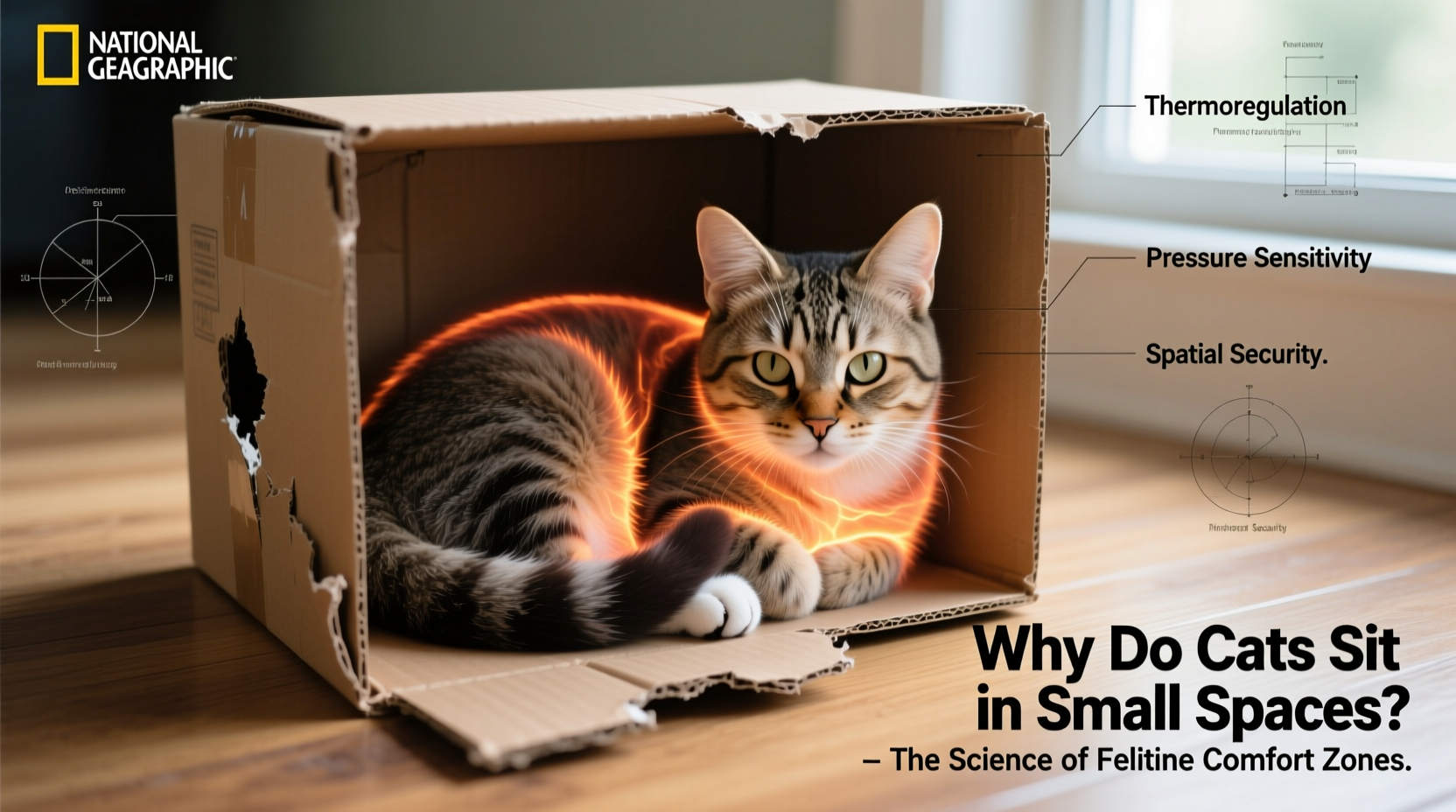
In the wild, cats are both predators and prey. While they hunt small animals with precision and stealth, they are also vulnerable to larger predators such as birds of prey, foxes, and coyotes. This dual role has shaped their preference for enclosed environments. Small, confined spaces mimic the burrows, hollow logs, and dense underbrush where wild cats historically sheltered. These locations offer concealment from threats and protection during rest—a critical advantage when conserving energy between hunts.
Domestic cats may not face the same dangers today, but their instincts remain unchanged. A study published in *Applied Animal Behaviour Science* found that shelter cats given access to hiding boxes showed significantly lower stress levels and adapted more quickly to new environments than those without them. The researchers concluded that enclosed spaces provide a sense of control over surroundings, reducing feelings of exposure and vulnerability.
“Enclosures serve as psychological shelters. When cats feel safe, they’re more likely to engage socially and exhibit normal behaviors.” — Dr. Mikel Delgado, Feline Behavior Expert, University of California, Davis
This instinctual drive explains why a simple cardboard box becomes more appealing than an expensive cat bed. It’s not about luxury; it’s about perceived safety.
Thermoregulation and the Warmth Factor
Cats maintain a higher body temperature than humans—typically between 100.5°F and 102.5°F (38°C–39.2°C). To conserve heat efficiently, they naturally gravitate toward warm, insulated areas. Small spaces trap body heat and reduce airflow, creating microclimates ideal for maintaining thermal comfort. This is especially true for kittens, older cats, or breeds with short coats who lose heat more rapidly.
Materials matter too. Cardboard, fabric-lined containers, and wooden crates absorb and retain warmth better than open, drafty surfaces like tile or hardwood floors. Even metal drawers become attractive once warmed by the cat’s own body heat. In colder seasons, this thermoregulatory benefit amplifies the appeal of snug spots.
Tip: Place soft blankets inside small enclosures during winter months to enhance warmth and comfort.Stress Reduction and Environmental Control
Modern homes, while safe, are full of unpredictable stimuli: loud noises, unfamiliar visitors, other pets, and sudden movements. For a species wired to assess risk constantly, these inputs can be overwhelming. Enclosed spaces function as “security zones” where cats can observe their environment with minimal exposure.
Neurological research suggests that confined areas activate regions of the brain associated with relaxation and reduced arousal. Being surrounded on multiple sides provides visual and tactile feedback that dampens the fight-or-flight response. This effect is particularly evident in veterinary settings, where cats placed in covered carriers or given access to hide boxes show lower cortisol levels and heart rates.
Interestingly, the size of the space matters. Too large, and it loses its protective quality; too small, and physical discomfort overrides psychological benefit. The ideal enclosure allows the cat to turn around comfortably but still press against the walls—a sensation that mimics being groomed or nestled close to littermates.
How Small Is Too Small?
Despite appearances, cats rarely injure themselves by squeezing into tight spots. Their flexible skeletons, lack of collarbones, and ability to compress their ribcages allow remarkable contortion. However, persistent attempts to enter clearly inadequate spaces may indicate anxiety or obsessive behavior, warranting veterinary consultation.
Feline Comfort Zones: Designing a Cat-Friendly Environment
Recognizing the importance of small spaces enables caregivers to design living areas that support feline well-being. Instead of discouraging this behavior, enriching the home with appropriate options promotes confidence and reduces stress-related issues like inappropriate elimination or aggression.
A variety of enclosures should be available throughout the house, especially in high-traffic zones. These don’t need to be elaborate—simple solutions often work best.
| Space Type | Benefits | Tips for Use |
|---|---|---|
| Cardboard Boxes | Insulating, inexpensive, replaceable | Leave flaps intact for entry/exit control |
| Wicker Baskets | Natural material, breathable, aesthetically pleasing | Add a soft liner for extra comfort |
| Plastic Storage Totes | Durable, easy to clean, customizable openings | Cut entry holes slightly larger than cat’s width |
| Fabric Cat Caves | Soft texture, portable, machine-washable | Place near heat sources in winter |
| Open Drawers (supervised) | Easily accessible, familiar household item | Secure heavy drawers to prevent tipping |
Real-Life Example: Luna’s Adjustment to Apartment Living
Luna, a two-year-old domestic shorthair adopted from a rural shelter, struggled with noise sensitivity after moving into a busy city apartment. Her new owner noticed she spent most of her time hiding under furniture, avoided interaction, and refused to use her plush cat bed. Concerned, she consulted a veterinary behaviorist, who recommended introducing several small, covered spaces at different heights.
Within days, Luna began using a lined cardboard box placed atop a bookshelf near a sunny window. She rotated to a fabric cave near the bedroom at night. Over three weeks, her confidence improved dramatically—she started greeting her owner at the door and resumed grooming rituals. The transformation wasn’t due to medication or training, but simply the addition of secure micro-environments that aligned with her innate preferences.
When Space-Seeking Signals Stress
While occasional retreats into small spaces are normal, excessive hiding may signal underlying distress. Cats are masters at masking discomfort, so behavioral shifts are often the first clue of medical or emotional problems.
- Sudden increase in hiding duration or frequency
- Refusal to eat, drink, or use the litter box
- Aggression when approached in enclosed areas
- Vocalization or panting while inside tight spaces
If these signs accompany space-seeking behavior, a veterinary evaluation is essential. Painful conditions like arthritis, dental disease, or gastrointestinal upset can make cats reclusive. Similarly, changes in household dynamics—new pets, moving, or construction—can trigger anxiety.
Tip: Monitor your cat’s usage patterns. Occasional use of small spaces is healthy; constant withdrawal may require intervention.Action Checklist: Creating Effective Feline Comfort Zones
- Assess your home layout: Identify quiet, low-traffic areas suitable for private retreats.
- Provide multiple options: Offer at least one enclosed space per floor or room where your cat spends time.
- Vary height and location: Include ground-level and elevated hides to cater to different moods.
- Use soft linings: Add washable blankets or fleece pads to improve insulation and comfort.
- Maintain accessibility: Ensure entries are unobstructed and large enough for easy movement.
- Rotate periodically: Refresh old boxes or move hides to stimulate interest.
- Respect boundaries: Avoid pulling your cat out of a hide unless medically necessary.
FAQ: Common Questions About Cats and Small Spaces
Is it dangerous for cats to squeeze into very small areas?
Generally, no. Cats have highly flexible bodies and excellent spatial awareness. They instinctively avoid spaces that could trap or harm them. However, ensure cords, sharp edges, or unstable furniture aren’t nearby. Supervise young or overly excitable cats around potentially hazardous enclosures.
Why does my cat prefer a box over an expensive cat bed?
Cost and design mean little to cats. What matters is enclosure, elevation, scent familiarity, and proximity to activity. Many commercial beds are too open or placed in exposed locations. Try placing the bed inside a low-walled container or adding a hooded cover to increase appeal.
Should I encourage my cat to come out of tight spaces?
Only if there’s a health concern or prolonged isolation. Otherwise, let your cat self-regulate. Forcing interaction increases stress. Instead, gently call or offer treats near—but not inside—the space to build positive associations.
Conclusion: Respecting the Instinct Behind the Quirk
The tendency of cats to occupy small spaces is far more than a charming oddity—it’s a window into their evolutionary past and emotional present. By understanding the science of feline comfort zones, we honor their natural inclinations rather than override them. Providing safe, enclosed retreats supports mental health, reduces anxiety, and fosters trust between cats and their human companions.
You don’t need to overhaul your home to make a difference. A single cardboard box, thoughtfully placed, can transform your cat’s sense of security. Observe where your cat already seeks refuge, then enhance those areas with warmth, privacy, and consistency. In doing so, you’re not just accommodating a habit—you’re nurturing a deeper bond rooted in empathy and biological insight.
💬 Have a story about your cat’s favorite tiny hideout? Share your experience in the comments and help others create safer, more comforting spaces for their feline friends.








