
Cats are creatures of subtle communication. Unlike dogs, who often wear their emotions on their sleeves, cats express affection, security, and instinct through nuanced behaviors—one of the most endearing being paw kneading. If you’ve ever settled onto the couch only to have your cat climb into your lap, rhythmically push its paws against your thighs, and purr contentedly, you’ve witnessed this behavior firsthand. But what does it mean? Is it a sign of love, stress, or something rooted deep in biology? The answer is both simple and complex: kneading is a multifaceted behavior that blends instinct, emotion, and sensory feedback.
Understanding why cats knead isn’t just about decoding a quirky habit—it’s about deepening the bond between pet and owner. When we recognize the layers behind this action, we respond with greater empathy and awareness. This article explores the origins, meanings, and implications of kneading, offering insights from animal behaviorists, evolutionary biology, and real-life observations.
The Biological Roots of Kneading
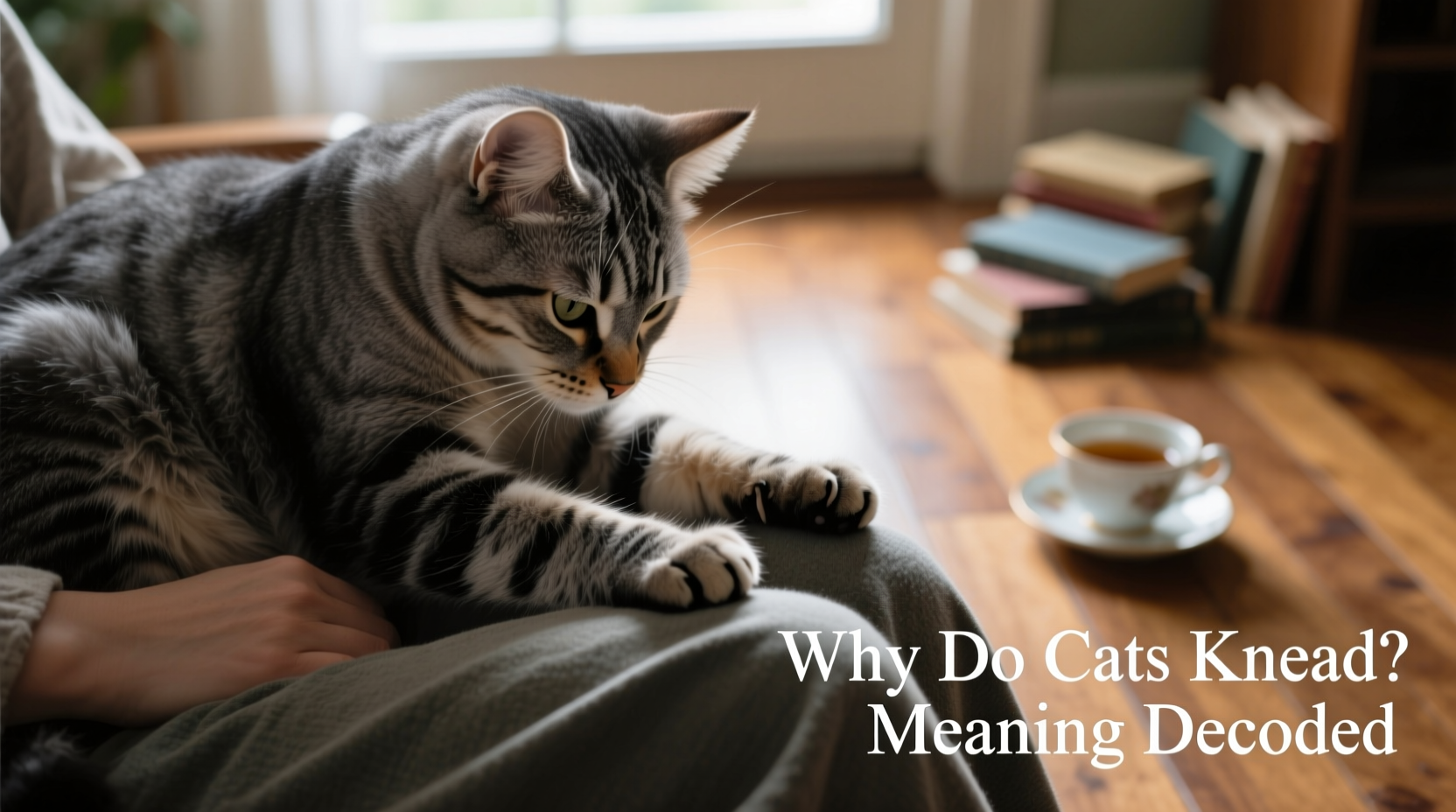
Kneading begins at birth. Kittens instinctively press their tiny paws against their mother’s mammary glands to stimulate milk flow. This repetitive motion becomes associated with warmth, nourishment, and safety. Even as they grow, the neurological pathways formed during these early experiences remain active. When adult cats knead, they’re tapping into a deeply ingrained survival mechanism—one that once meant the difference between life and death.
This primal behavior doesn’t disappear with weaning. Instead, it evolves. In domesticated cats, the act of kneading shifts from a functional need to an emotional signal. The same motion that once triggered milk release now signals trust and comfort. It’s not merely nostalgia; it’s a physiological echo of kittenhood, activated when a cat feels safe enough to regress emotionally.
Interestingly, not all cats knead, and the frequency varies widely among individuals. Some experts suggest this may relate to early weaning practices or socialization. Cats separated too early from their mothers might lack strong associations with kneading, while those allowed to nurse longer often retain the behavior into adulthood.
“Kneading is one of the clearest examples of neoteny in cats—the retention of juvenile traits into adulthood. It reflects both emotional security and a deep-seated instinctual pattern.” — Dr. Sarah Thompson, Feline Behavioral Scientist, Cornell University College of Veterinary Medicine
Emotional Significance: Why Your Cat Chooses You
When a cat kneads on your lap, it’s making a profound statement: *You are safe*. This behavior rarely occurs in stressful environments or around unfamiliar people. A cat will only knead when its guard is down, indicating a high level of trust. By choosing you—and specifically your lap—as the surface for this intimate act, your cat is affirming its attachment.
Beyond trust, kneading serves as a self-soothing mechanism. Much like humans might rock gently or twirl their hair when relaxed, cats use rhythmic paw movements to calm themselves. The combination of physical pressure, warmth, and familiar scent (yours) creates a sensory experience that mimics the comfort of nursing.
Additionally, cats have scent glands in their paw pads. Each time they press down, they leave behind pheromones—chemical markers that communicate ownership and familiarity. So when your cat kneads you, it’s not just expressing comfort; it’s also marking you as part of its secure territory. In feline terms, you’ve been claimed—not out of dominance, but belonging.
Tip: If your cat kneads more during times of change—like moving homes or introducing new pets—it’s likely seeking reassurance. Respond with gentle petting and consistent routines to reinforce stability.Sensory and Environmental Triggers
Not all kneading is spontaneous. Certain textures, temperatures, and contexts can trigger the behavior. Soft fabrics like fleece blankets, wool sweaters, or plush upholstery often elicit kneading because they resemble the texture of a mother’s fur. Warmth amplifies this effect—your lap, heated by body temperature, becomes an ideal surrogate for a nesting site.
Some cats knead before settling down to sleep, using the motion to “fluff” their resting spot—a holdover from wild ancestors who would trample grass or leaves to create a comfortable bed. Others knead in anticipation of food, especially if they were bottle-fed as kittens and associate the motion with feeding time.
Interestingly, certain scents can also prompt kneading. Lavender and nepetalactone (the active compound in catnip) are known to induce relaxation in cats, sometimes leading to increased kneading. Observant owners may notice patterns: a particular blanket, a favorite sweater, or even a specific room where kneading occurs more frequently.
Common Kneading Triggers
| Trigger | Explanation | What It Suggests |
|---|---|---|
| Soft fabric | Mimics fur texture from kittenhood | Seeking comfort and familiarity |
| Body heat | Recreates warmth of mother or littermates | Emotional security |
| Pre-sleep routine | Instinct to prepare bedding | Natural nesting behavior |
| Owner’s presence | Association with safety and affection | Strong bond and trust |
| Stress reduction | Rhythmic motion has calming effect | Self-soothing under mild anxiety |
When Kneading Becomes Problematic: Managing Claws and Discomfort
While kneading is generally harmless, sharp claws can turn a tender moment into a painful one. Many owners wince as their cat digs in with extended nails, especially during prolonged sessions. Fortunately, this issue is manageable without discouraging the behavior itself.
The key is redirection, not suppression. Punishing a cat for kneading can damage trust and increase anxiety. Instead, focus on creating a claw-friendly environment. Keep your cat’s nails trimmed regularly—every 10 to 14 days is ideal. Use a dedicated pet nail clipper and only trim the clear tip, avoiding the pink quick inside.
Another effective strategy is to place a thick blanket or cushion between your lap and the cat. Choose materials like denim or canvas that resist claw penetration while still allowing the cat to feel the resistance it needs for proper kneading motion. Over time, some cats adapt to softer surfaces, reducing the need to extend their claws fully.
Step-by-Step: How to Make Kneading Comfortable for Both of You
- Trim your cat’s claws every two weeks using pet-safe clippers.
- Introduce a barrier, such as a folded towel or soft quilt, when your cat climbs onto your lap.
- Encourage scratching posts nearby to help your cat shed claw sheaths naturally.
- Use positive reinforcement: reward gentle kneading with treats or affection.
- Consider soft nail caps (like Soft Paws) if discomfort persists.
Mini Case Study: Luna and the Heirloom Sweater
Luna, a 4-year-old domestic shorthair, had always been a vigorous kneader. Her owner, Maria, noticed that Luna exclusively targeted a vintage cream-colored cardigan passed down from her grandmother. At first, Maria was flattered—Luna clearly associated the sweater with comfort. But over time, the constant clawing began to fray the delicate wool.
Instead of banning the sweater, Maria took a strategic approach. She placed the cardigan over a firm cushion on the living room chair, making it a designated “kneading zone.” Nearby, she set up a second blanket treated with a few drops of lavender essential oil (diluted safely), hoping to shift Luna’s preference.
She also began trimming Luna’s claws weekly and introduced a vertical scratching post covered in sisal. Within three weeks, Luna started dividing her attention between the sweater and the new blanket. After six weeks, she favored the lavender-scented option, especially in the evenings. The heirloom remained intact, and Luna continued to enjoy her ritual—now in a more sustainable way.
This case illustrates how understanding feline behavior allows for coexistence rather than compromise. By working with, not against, natural instincts, owners can preserve both relationships and personal belongings.
Frequently Asked Questions
Do all cats knead?
No, not all cats knead. While it’s common, especially in cats with positive early socialization, some never develop the habit. Factors include genetics, early weaning, individual temperament, and environmental stressors. Lack of kneading doesn’t indicate unhappiness or poor bonding.
Why does my cat suck on fabric while kneading?
This behavior, often called “wool-sucking,” is an extension of nursing instincts. Some cats, particularly Siamese and related breeds, continue sucking on soft materials as adults. While usually harmless, excessive sucking on non-food items (like plastic or foam) should be monitored and discussed with a veterinarian.
Is kneading a sign of sexual behavior?
No. Although unspayed females may knead more during heat cycles due to hormonal fluctuations, kneading itself is not inherently sexual. It’s primarily a comfort behavior seen in neutered males and spayed females alike. However, if sudden increases in kneading coincide with vocalization or restlessness, consult a vet to rule out medical causes.
Checklist: Is Your Cat’s Kneading Healthy?
- ✅ Occurs during relaxed moments, not when anxious or aggressive
- ✅ Paired with purring, half-closed eyes, or slow blinking
- ✅ Doesn’t cause injury to the cat or significant pain to you
- ✅ Not accompanied by excessive drooling or fixation on non-food objects
- ✅ Respects boundaries—you can gently redirect without distress
If all boxes are checked, your cat’s kneading is a healthy expression of trust and contentment. If not, consider consulting a veterinary behaviorist to assess underlying issues.
Conclusion: Embracing the Rhythm
Kneading is more than a quirk—it’s a window into your cat’s inner world. It speaks of trust forged in kittenhood, comfort drawn from memory, and a bond strong enough to invite vulnerability. When your cat presses its paws into your lap, it’s not just reliving the past; it’s affirming the present. You are, in that moment, home.
Respecting this behavior means more than enduring it—it means understanding it. With thoughtful care, appropriate tools, and a little patience, you can protect your skin and furniture without stifling your cat’s emotional language. Let the rhythm continue. Listen to the purrs. Recognize the quiet declaration of love woven into every push and pull.
💬 Does your cat knead? Share your story or tips in the comments below—let’s build a community of informed, empathetic cat lovers.








