Cats are creatures of habit, shaped by both evolution and emotion. One of the most endearing behaviors they display is kneading—rhythmically pushing their paws in and out against soft surfaces, often with a look of pure contentment. Whether your cat performs this ritual on your lap, a blanket, or even your arm, it’s more than just a quirky habit. This behavior traces back to kittenhood and serves multiple psychological, physiological, and social functions. Understanding why cats knead offers insight into their instincts, emotional needs, and the deep bond they share with their human companions.
The Origins of Kneading: A Survival Instinct from Kittenhood
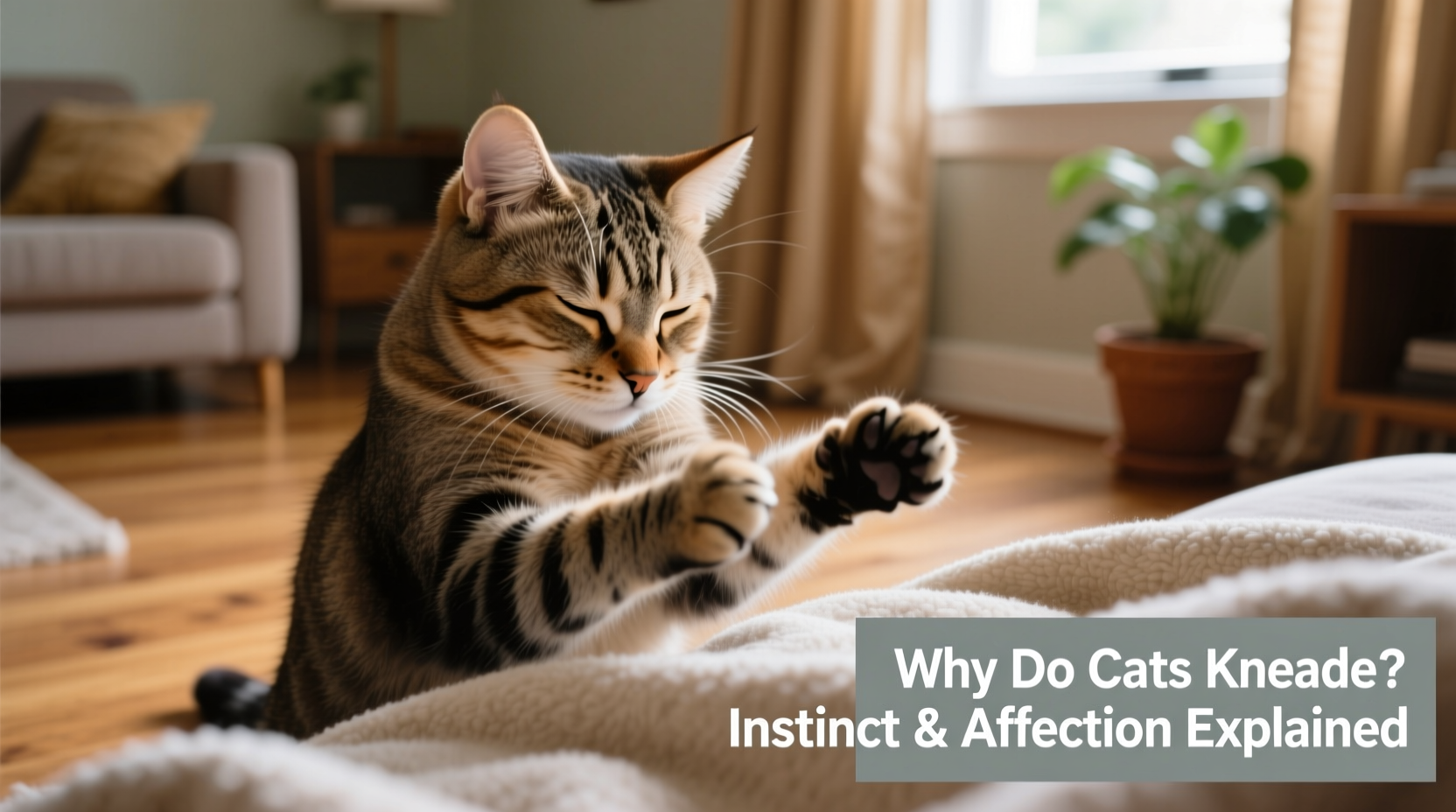
Kneading begins in the earliest days of a cat’s life. Newborn kittens are blind and vulnerable, relying entirely on instinct to survive. When nursing, they use their front paws to press rhythmically against their mother’s mammary glands. This action stimulates milk flow, ensuring they receive adequate nourishment. The motion is both functional and comforting—it links tactile stimulation with warmth, safety, and sustenance.
As cats mature, the need for milk disappears, but the behavior often persists. Adult cats may continue to knead when they feel secure, relaxed, or emotionally fulfilled. The act becomes less about survival and more about emotional regulation and communication. Even without biological necessity, the neurological pathways formed during early development remain active, making kneading a deeply ingrained response to comfort.
“Kneading is one of the clearest examples of neoteny in cats—the retention of juvenile behaviors into adulthood. It reflects both instinct and emotional attachment.” — Dr. Sarah Thompson, Feline Behavior Specialist
Emotional Significance: Affection, Comfort, and Territory Marking
Beyond its roots in infancy, kneading carries rich emotional meaning in adult cats. When a cat chooses to knead on you, it’s a powerful sign of trust and affection. In the wild, cats only expose vulnerable behaviors—like closing their eyes and relaxing muscles—when they feel safe. By performing an infantile action in your presence, your cat is signaling that it views you as a parental or protective figure.
Additionally, cats have scent glands in the pads of their paws. Each time they knead, they deposit pheromones onto the surface. This subtle marking behavior communicates ownership and familiarity. To your cat, kneading you isn’t just a physical act—it’s a way of saying, “This space, and this person, belong to me.” It’s a form of olfactory claiming that reinforces social bonds and creates a sense of security.
Tip: If your cat kneads frequently, provide a designated soft blanket or cushion where they can express this behavior freely. This preserves furniture and gives them a consistent, familiar object to mark.Physiological and Psychological Triggers for Kneading
Cats don’t knead randomly. Specific internal and external cues often prompt the behavior. Recognizing these triggers helps owners interpret their cat’s emotional state and respond appropriately.
Common triggers include:
- Relaxation: After grooming, napping, or receiving petting, cats often enter a calm state conducive to kneading.
- Anticipation: Some cats knead when they expect food or attention, linking the motion with positive outcomes.
- Stress reduction: In unfamiliar environments, kneading can serve as a self-soothing mechanism, much like thumb-sucking in children.
- Reproduction signals: Unspayed female cats may intensify kneading when in heat, using the motion to signal receptivity to mates.
In multi-cat households, kneading frequency can vary significantly between individuals. More confident cats may knead openly, while shy or anxious ones reserve the behavior for private moments or trusted humans. Observing when and where your cat kneads provides valuable clues about their emotional well-being.
Step-by-Step: How to Respond When Your Cat Kneads
While kneading is natural, it can sometimes be uncomfortable—especially if your cat uses claws. Knowing how to respond ensures both comfort and continued bonding.
- Assess the context: Is your cat relaxed? Stressed? Seeking attention? Understanding the trigger guides your response.
- Check claw length: Long claws can cause discomfort. Regular trimming prevents pain and discourages destructive kneading on furniture.
- Provide alternatives: Place a thick blanket or padded mat nearby. Encourage use with treats or catnip.
- Redirect gently: If kneading becomes excessive or painful, softly lift your cat and guide them to their designated spot.
- Reinforce positively: Praise or offer a treat when they knead appropriately. Avoid punishment, which can erode trust.
When Kneading Signals Health or Behavioral Concerns
While kneading is typically benign, sudden changes in frequency, intensity, or location can indicate underlying issues. Excessive or compulsive kneading—especially when accompanied by vocalization, drooling, or agitation—may point to anxiety, hormonal imbalances, or medical discomfort.
For example, cats with hyperesthesia syndrome (a neurological condition) may exhibit repetitive motions, including intense kneading, along with skin rippling or tail flicking. Similarly, unspayed females may knead obsessively during estrus cycles. In older cats, cognitive decline can lead to regressive behaviors, including increased infantile actions like kneading.
If your cat begins kneading in new or unusual ways—such as on hard surfaces, at odd hours, or with signs of distress—it’s wise to consult a veterinarian. A full check-up can rule out pain, infection, or hormonal disorders.
| Behavior Pattern | Normal? | Potential Concern |
|---|---|---|
| Kneads softly on lap while purring | Yes | No |
| Kneads aggressively with extended claws | Sometimes | Pain, overstimulation, or anxiety |
| Kneads constantly throughout the day | Rarely | Compulsive behavior or hormonal issue |
| Kneads on cold tile or windowsills | Possibly | Seeking coolness due to fever or overheating |
Real-Life Example: Bella and the Blanket Ritual
Bella, a 4-year-old domestic shorthair, was adopted at eight weeks old after being separated from her mother. Her owner, Mark, noticed early on that she would knead his sweater sleeves whenever he held her. At first, it was painful—her claws caught in the fabric, and he’d flinch. Over time, Mark learned to place a fleece throw over his lap before holding her. He also began trimming her claws every two weeks.
What started as a minor annoyance turned into a cherished routine. Every evening, Bella would jump onto the couch, circle three times, settle into the fleece, and begin her rhythmic push-pull motion, purring loudly. Mark realized this wasn’t just habit—it was Bella’s way of reconnecting with the safety of infancy in a world that once felt uncertain. On stressful days, like when construction noise rattled the apartment, Bella returned to the blanket earlier than usual, seeking comfort through repetition.
By respecting her instinct and providing a safe outlet, Mark strengthened their bond. The kneading became less about physical action and more about emotional dialogue—a silent language of trust and care.
Practical Tips for Managing Kneading Behavior
While kneading is natural, not all surfaces—or skin—are suited for repeated paw pressure. These actionable tips help balance your cat’s needs with household harmony.
Tip: Place a soft, washable mat near common lounging areas. Infuse it with your scent (by placing it near your clothes) to increase its appeal as a kneading zone.- Use nail caps: Soft silicone caps (like Soft Paws) protect skin and furniture without interfering with natural behavior.
- Train with redirection: Gently move your cat to their preferred surface when they start kneading inappropriately.
- Encourage scratching posts: These satisfy paw-related urges and reduce the need to knead destructively.
- Avoid negative reinforcement: Yelling or pushing the cat away can damage trust and increase anxiety.
Checklist: Creating a Kneading-Friendly Environment
Ensure your home supports your cat’s instinctive behaviors safely and comfortably.
- ✅ Provide at least one soft, textured surface dedicated to kneading (e.g., fleece blanket, memory foam pad).
- ✅ Trim claws every 2–3 weeks or use nail guards.
- ✅ Wash kneading items regularly to maintain hygiene and scent familiarity.
- ✅ Observe patterns: Note when and where kneading occurs to identify emotional triggers.
- ✅ Consult a vet if kneading becomes obsessive, painful, or paired with other abnormal behaviors.
Frequently Asked Questions
Do all cats knead?
No, not all cats knead. While it’s common, some never develop the habit. Factors like early weaning, lack of littermates, or individual temperament can influence whether a cat retains this behavior. Absence of kneading doesn’t indicate lower affection.
Why does my cat drool when kneading?
Drooling during kneading is typically a sign of extreme relaxation and nostalgia. It harks back to kittenhood, when nursing triggered salivation. In adult cats, it’s usually harmless and associated with deep contentment—though persistent drooling unrelated to kneading should be evaluated by a vet.
Can I stop my cat from kneading?
You shouldn’t try to stop kneading entirely, as it’s a natural, emotionally significant behavior. Instead, manage it by guiding your cat toward appropriate surfaces and maintaining claw health. Suppressing the behavior can lead to stress or anxiety.
Conclusion: Embracing the Purr-fect Expression of Love
Kneading is far more than a cute quirk—it’s a living echo of kittenhood, woven into the fabric of feline identity. It bridges instinct and emotion, survival and affection, past and present. When your cat presses their paws into your leg or nestles into a blanket with slow, deliberate motions, they’re not just acting on impulse. They’re communicating trust, marking belonging, and revisiting a moment of primal safety.
By understanding the roots of this behavior, you deepen your connection with your cat. You learn to read their unspoken language and respond with empathy. Whether you’re protecting your sofa with a throw or simply sitting still to let them knead in peace, each small accommodation strengthens the mutual bond.
💬 How does your cat show affection? Share your stories and observations in the comments—your experience might help another cat lover understand their furry companion better.








