Cats are creatures of habit, ritual, and subtle communication. Among their most endearing behaviors is kneading—the rhythmic pushing of paws against soft surfaces, often accompanied by purring and half-closed eyes. While this motion originates in kittenhood as a way to stimulate milk flow from the mother, many adult cats continue the practice well into maturity. This persistence raises an intriguing question: Why do fully grown cats still knead like kittens? The answer lies at the intersection of biology, emotion, and instinct—an intricate blend that reveals much about how cats experience safety, comfort, and connection.
Understanding this behavior goes beyond mere curiosity. For cat owners, recognizing the psychological roots of kneading can deepen the human-feline bond, improve pet care practices, and help distinguish between soothing habits and potential stress signals.
The Biological Roots of Kneading
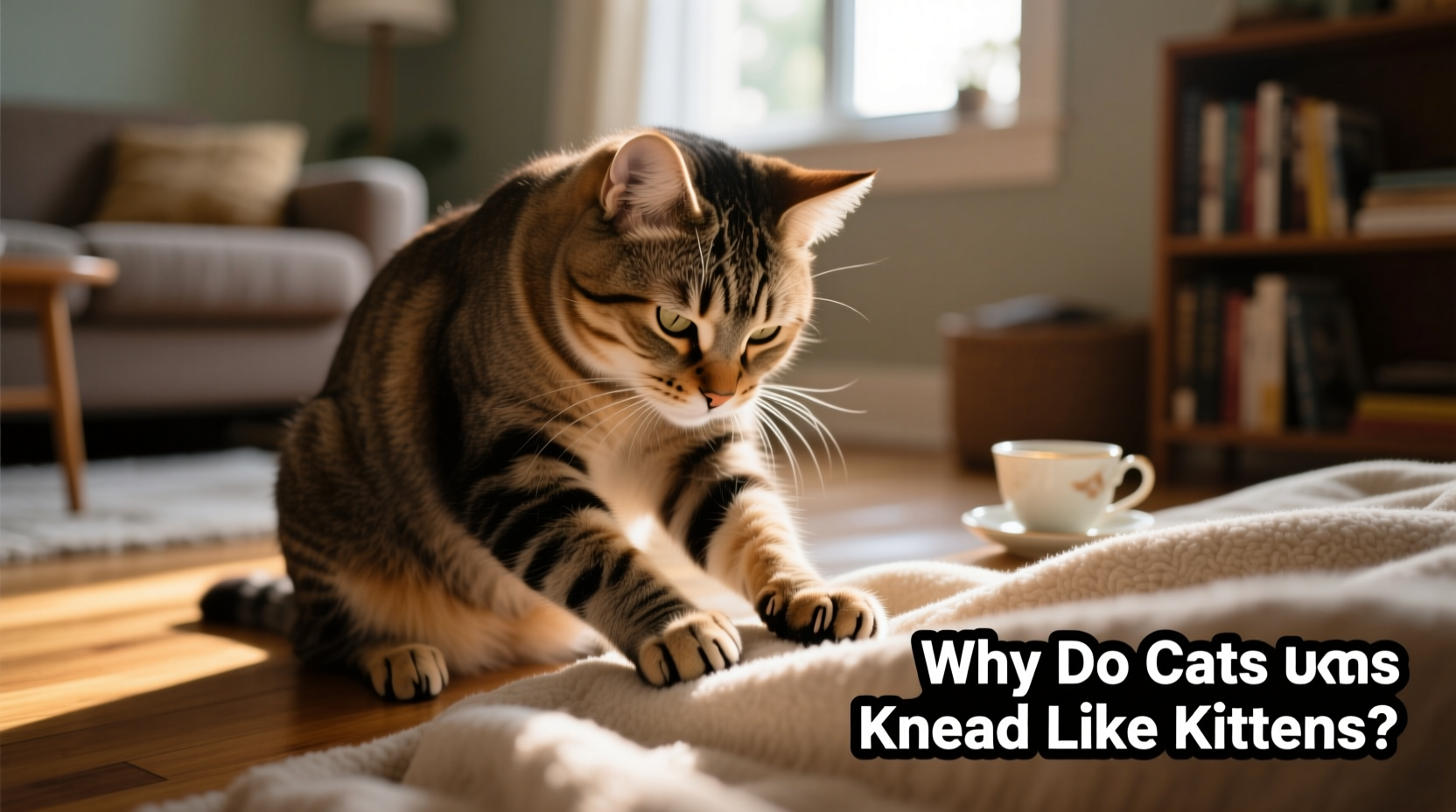
Kneading begins in the first days of life. Newborn kittens, blind and entirely dependent, use their front paws to press rhythmically against their mother’s mammary glands. This action stimulates milk production through tactile feedback, ensuring nourishment. It's a survival mechanism hardwired into early development.
As cats grow, they retain neural pathways associated with this comforting behavior. Even after weaning, the physical sensation of kneading remains linked to warmth, security, and nourishment. When adult cats knead blankets, laps, or plush furniture, they're not attempting to nurse—they’re reactivating a deeply ingrained memory of contentment from infancy.
This retention of juvenile behaviors into adulthood is known in ethology as neoteny. Cats exhibit several neotenous traits—large eyes, rounded faces, playful tendencies—but kneading stands out because it’s both tactile and emotionally charged. Unlike random play, kneading is typically self-soothing and occurs during moments of relaxation or affection.
Tip: If your cat kneads during petting sessions, it’s likely a sign of deep trust and emotional comfort—not just physical habit.Psychological Triggers Behind Adult Kneading
Beyond biological programming, adult kneading serves multiple psychological functions. These motivations aren’t mutually exclusive; a single episode may reflect several overlapping needs.
Emotional Security and Stress Relief
Kneading releases endorphins—natural brain chemicals that promote calmness and pleasure. In stressful environments, some cats increase kneading frequency as a form of self-regulation. The repetitive motion acts like a coping mechanism, similar to how humans might rock back and forth or twirl hair when anxious.
A 2020 study published in *Applied Animal Behaviour Science* observed that indoor-only cats exhibited more frequent kneading behaviors than those with outdoor access, suggesting that environmental enrichment plays a role in modulating such actions. However, rather than labeling kneading as a sign of distress, researchers emphasized its dual nature: it can indicate either peak relaxation or mild anxiety depending on context.
Scent Marking and Territorial Comfort
Cats have scent glands located in the soft pads of their paws. Each time they knead, they deposit pheromones—chemical signals that mark territory and convey familiarity. To a cat, kneading your lap isn’t just about comfort; it’s also a way of saying, “This space is mine, and I feel safe here.”
This territorial marking is non-aggressive and affiliative. Unlike urine spraying, which communicates warnings or reproductive status, paw gland secretions are subtle and calming. In multi-cat households, shared resting spots often show signs of communal kneading, reinforcing social cohesion.
Preparation for Rest
In wild ancestors of domestic cats, such as the African wildcat (*Felis lybica*), kneading was part of nest-building behavior. Before settling down, cats would pat down grass or leaves to create a smooth, secure sleeping area. Modern housecats, though removed from survival pressures, still perform this ritual before lying down—especially on beds, sofas, or favored blankets.
This nesting instinct explains why some cats “make biscuits” only before napping. It’s a vestigial behavior repurposed for comfort in captivity.
“Kneading is one of the purest expressions of emotional safety in cats. When a cat kneads you, they are essentially treating you as both caregiver and sanctuary.” — Dr. Sarah Ellis, Co-Director of International Cat Care
When Kneading Crosses the Line: Pain, Overstimulation, and Medical Concerns
While kneading is generally healthy, excessive or painful kneading—especially when claws are involved—can signal underlying issues. Some cats become overstimulated during petting and begin kneading aggressively, sometimes leading to biting or scratching. This phenomenon, known as petting-induced aggression, stems from sensory overload, not malice.
Additionally, sudden increases in kneading frequency may accompany medical conditions such as hyperthyroidism, cognitive dysfunction in senior cats, or chronic pain. If your cat starts kneading obsessively—on hard floors, walls, or in unusual locations—it’s worth consulting a veterinarian to rule out discomfort or neurological changes.
| Behavior Pattern | Likely Meaning | Action to Take |
|---|---|---|
| Gentle kneading with purring | Contentment, bonding | Enjoy the moment; no intervention needed |
| Kneading with extended claws causing pain | Habit or overstimulation | Trim claws regularly or place a thick blanket between skin and paws |
| Obsessive kneading on inappropriate surfaces | Possible anxiety or medical issue | Monitor for other symptoms; consult vet if persistent |
| New onset in older cats | Potential cognitive decline or hormonal imbalance | Schedule wellness check-up |
Real-Life Example: Luna and Her Ritual of Reassurance
Consider Luna, a seven-year-old domestic shorthair adopted after spending her first year in a high-noise shelter environment. Though now living in a quiet home, she displays intense kneading behavior every evening when her owner sits on the couch. She’ll circle three times, sniff the cushion, then begin pressing her paws into a fleece throw while purring loudly.
Initially, the owner worried this was compulsive. But after tracking patterns and consulting a feline behaviorist, it became clear that Luna uses kneading as a transition ritual—from daytime alertness to nighttime security. The consistency of the routine helps regulate her nervous system. Over time, she began falling asleep mid-knead, a strong indicator that the behavior had achieved its calming purpose.
This case illustrates how early life experiences shape adult behaviors. For cats with uncertain beginnings, kneading can serve as a grounding tool—a way to reaffirm safety in a world once perceived as unpredictable.
How to Support Healthy Kneading Behavior
For most cats, kneading requires no correction. Instead, owners can support the behavior in ways that protect both the cat and household items. Below is a checklist to ensure kneading remains a positive experience for all parties involved.
📋 Kneading Support Checklist
- Provide soft, washable blankets or mats in common lounging areas
- Keep your cat’s claws trimmed to minimize fabric damage and skin scratches
- Use claw caps (soft vinyl covers) if kneading becomes uncomfortable
- Avoid scolding or restraining your cat while kneading—it undermines trust
- Observe timing and triggers to understand emotional context
- Introduce pheromone diffusers (e.g., Feliway) if anxiety is suspected
- Rotate textured surfaces (wool, faux fur, cotton) to enrich sensory input
Step-by-Step Guide: Managing Kneading on Sensitive Skin
If your cat loves kneading on your lap but their claws cause discomfort, follow these steps to maintain harmony:
- Assess the situation: Determine whether the kneading coincides with purring and relaxed body language (positive) or tail flicking and growling (overstimulation).
- Introduce a barrier: Drape a thick quilted blanket or cushion over your legs before sitting down. Train your cat to associate this item with kneading time.
- Redirect gently: If your cat starts kneading directly on bare skin, slowly shift them onto the prepared surface using verbal praise or treats.
- Trim claws weekly: Use proper cat nail clippers and avoid cutting the quick. Regular trimming reduces accidental scratches.
- Reinforce desired behavior: Reward your cat with gentle pets or a treat when they knead on appropriate surfaces.
- Monitor duration: Limit continuous kneading sessions to 10–15 minutes if your cat shows signs of overarousal.
Consistency is key. Over weeks, most cats adapt to preferred kneading zones without losing the emotional benefits of the behavior.
Frequently Asked Questions
Do all cats knead?
No, not all cats knead. While it’s common, especially in cats who had positive early nursing experiences, some never develop the habit. Factors include genetics, early maternal interaction, and individual temperament. Absence of kneading does not indicate unhappiness.
Why does my cat suck on fabric while kneading?
This behavior, called wool-sucking or fabric-sucking, often extends from kitten nursing instincts. Some cats, particularly Siamese and related breeds, carry this oral fixation into adulthood. While usually harmless, excessive sucking on synthetic materials can be dangerous if ingested. Provide safe alternatives like cotton toys designed for chewing.
Can neutering or spaying affect kneading?
There is no direct link between sterilization and reduced kneading. Hormonal changes post-surgery may briefly alter activity levels, but kneading—as an emotionally driven behavior—is largely unaffected. Most cats resume normal routines within days.
Conclusion: Embracing the Biscuit-Making Ritual
Kneading is far more than a quirky feline quirk—it’s a window into the emotional world of cats. Rooted in survival, sustained by comfort, and reinforced by scent and memory, this behavior connects adult cats to their earliest sense of safety. When a cat kneads your lap, they are not regressing; they are expressing profound trust.
By understanding the psychology behind kneading, we move beyond seeing our pets as simple companions and begin recognizing them as complex beings shaped by instinct and experience. Whether your cat makes biscuits daily or rarely indulges, each press of the paw tells a story of belonging.
💬 Does your cat knead? Share your story or observations in the comments—your insights could help fellow cat lovers better understand this touching behavior.








