Cat owners often observe their feline companions rhythmically pressing their paws into soft surfaces—blankets, laps, or even human arms. This rhythmic motion, known as kneading, resembles a baker working dough and is deeply rooted in feline instinct. While it may seem random or purely affectionate, kneading serves multiple psychological and physiological purposes. Understanding why cats knead, what triggers the behavior, and what emotions it conveys can deepen the bond between cats and their caregivers. This article explores the origins, motivations, and emotional context behind this endearing habit.
The Origins of Kneading: A Behavior Rooted in Infancy
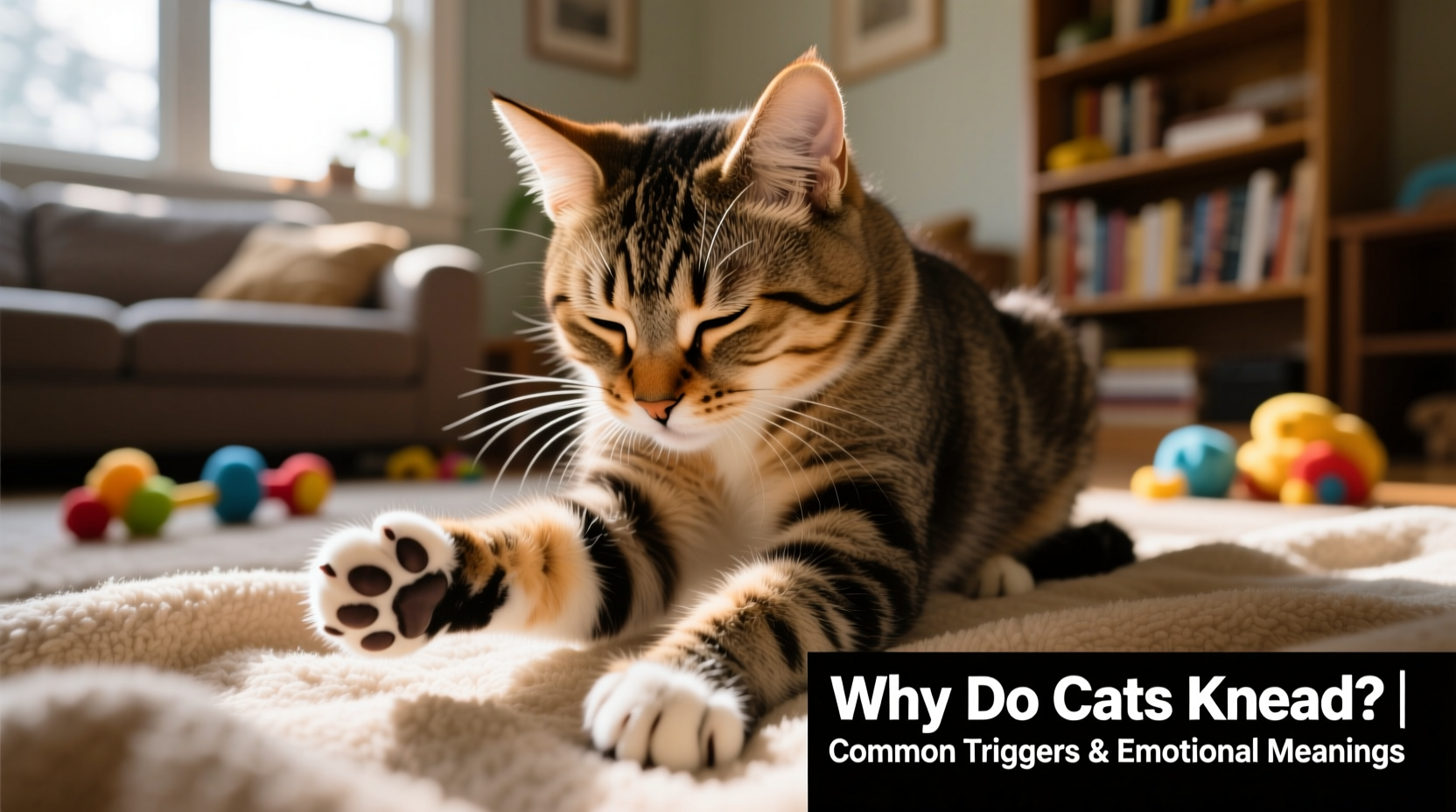
Kneading begins in the earliest days of a kitten’s life. When nursing, kittens press their tiny paws against their mother’s mammary glands to stimulate milk flow. This action is both functional and comforting—it ensures nourishment while reinforcing the bond between mother and offspring. The sensation of warmth, security, and satisfaction becomes strongly associated with the physical act of kneading.
As cats mature, they often retain this behavior into adulthood, even though its original purpose—milk stimulation—is no longer relevant. The persistence of kneading into later life suggests that it has evolved beyond mere survival; it now functions as a self-soothing mechanism tied to feelings of safety and contentment.
“Kneading is one of the clearest examples of behavioral carryover from kittenhood. It’s not just habit—it’s emotional memory in motion.” — Dr. Lena Torres, Feline Behavior Specialist
Common Triggers That Prompt Kneading
While kneading is instinctual, certain environmental and emotional cues frequently prompt the behavior. Recognizing these triggers helps cat owners interpret their pet’s state of mind and respond appropriately.
- Comfortable Surfaces: Soft fabrics like blankets, plush beds, or a human’s lap are ideal for kneading. These materials mimic the texture of a mother cat’s fur and provide tactile feedback that encourages the behavior.
- Relaxation or Sleepiness: Cats often knead when settling down for a nap. The motion may help them create a cozy, nest-like spot—a throwback to wild ancestors who would trample foliage to make a safe sleeping area.
- Positive Emotional States: Purring, half-closed eyes, and slow blinks often accompany kneading. These signs indicate a relaxed, happy cat engaging in a comforting ritual.
- Familiar Scents: Scent plays a crucial role in feline psychology. Kneading on an owner’s clothing or favorite blanket spreads the cat’s scent through glands in their paw pads, marking the item as “safe” and “theirs.”
- Anticipation of Affection: Some cats knead when being petted or when they expect attention. It’s a way of reciprocating affection and signaling trust.
Emotional Meanings Behind Kneading
Beyond instinct, kneading communicates a range of emotional states. Unlike behaviors driven by aggression or fear, kneading is almost always a positive sign. However, its meaning can vary depending on context.
Contentment and Security
The most common interpretation of kneading is contentment. When a cat curls up on your lap and begins pushing its paws rhythmically, it is expressing deep relaxation. This behavior signals that the cat feels safe, loved, and at ease in its environment. It’s a feline equivalent of a human sighing with relief after a long day.
Scent Marking and Territory
Cats have scent glands located in the soft pads of their paws. Each time they knead, they deposit pheromones onto the surface. This subtle marking behavior is not aggressive but rather a way of claiming ownership over a space or person. When your cat kneads you, it’s essentially saying, “You’re part of my safe zone.”
Anxiety Relief and Self-Soothing
In some cases, kneading serves as a coping mechanism during mild stress. Cats may knead more frequently when adjusting to a new home, recovering from illness, or experiencing changes in routine. The repetitive motion provides a calming effect, much like thumb-sucking or rocking does in humans.
Reproductive Behavior (in Unspayed Females)
Unspayed female cats may exhibit intense kneading when in heat. In this context, the behavior is hormonally driven and often accompanied by vocalization and restlessness. Spaying typically reduces or eliminates this type of kneading, underscoring its link to reproductive cycles.
When Kneading Becomes Problematic: Managing Claws and Discomfort
While kneading is generally harmless, extended sessions with extended claws can lead to discomfort for owners or damage to furniture and clothing. Fortunately, several strategies can mitigate these issues without discouraging the behavior entirely.
| Issue | Solution |
|---|---|
| Painful claw pressure on skin | Place a thick blanket or cushion between the cat and your lap. Trim claws regularly to reduce sharpness. |
| Damaged upholstery or bedding | Provide designated kneading zones—soft mats or old towels placed on furniture. Rotate these items to contain wear. |
| Excessive kneading at night | Establish a calming bedtime routine with play and feeding to reduce anxiety-related kneading. |
| Cat bites or drools while kneading | This is normal if the cat is deeply relaxed. Monitor for signs of overstimulation, such as tail flicking or ear flattening. |
“Never punish a cat for kneading. It’s a natural, emotionally significant behavior. Instead, manage the environment to make it safer and more comfortable for everyone involved.” — Dr. Rajiv Mehta, Veterinary Ethologist
Step-by-Step Guide to Supporting Healthy Kneading Behavior
If you want to encourage your cat’s kneading in a way that benefits both of you, follow this practical approach:
- Observe Your Cat’s Patterns: Note when and where kneading occurs. Is it before sleep? During petting? After eating? Identifying patterns helps you anticipate and support the behavior.
- Provide Appropriate Surfaces: Offer soft, washable materials like fleece blankets, memory foam pads, or knitted throws in areas your cat frequents.
- Maintain Claw Health: Trim your cat’s claws every 10–14 days using pet-safe clippers. File sharp edges to prevent snagging.
- Use Nail Caps (Optional): Soft vinyl caps like Soft Paws can be applied temporarily to protect skin and furniture without interfering with natural movement.
- Encourage Positive Associations: Pair kneading sessions with gentle talking, slow petting, or treats to reinforce feelings of safety and reward.
- Avoid Sudden Interruptions: Let the cat finish kneading naturally. Abruptly removing them may increase anxiety and reduce trust.
Mini Case Study: Luna, the Rescue Cat Who Found Comfort in Kneading
Luna, a three-year-old domestic shorthair, was adopted from a shelter after being found abandoned in a warehouse. Initially skittish and withdrawn, she avoided contact and spent most of her time hiding under the bed. Her new owner, Maria, introduced a consistent routine involving daily play, quiet interaction, and a soft fleece blanket placed near a sunlit window.
After two weeks, Maria noticed Luna lying on the blanket, gently pressing her paws into the fabric. Over time, the kneading became more frequent and occurred while Maria was nearby. Eventually, Luna began climbing onto Maria’s lap and kneading while purring. This shift coincided with increased confidence, reduced hiding, and greater social engagement.
Veterinary behaviorist Dr. Elena Ruiz noted, “Luna’s kneading was a milestone in her recovery. It signaled that she had begun to associate her new home with safety and emotional regulation.” Today, Luna is a thriving household member whose kneading is a celebrated sign of healing.
FAQ: Common Questions About Cat Kneading
Do all cats knead?
No, not all cats knead. While it’s a common behavior, some cats never develop the habit. This doesn’t indicate unhappiness—just individual variation. Cats raised without their mothers or those with early trauma may be less likely to knead.
Why does my cat drool when kneading?
Drooling during kneading is normal and linked to extreme relaxation. It’s reminiscent of kittenhood, when nursing triggered salivation. As long as the cat is otherwise healthy, drooling is a sign of deep contentment.
Can kneading indicate pain or illness?
Rarely. Kneading itself is not a symptom of illness. However, if a cat suddenly stops kneading after doing so regularly, or shows signs of pain when pressing their paws (e.g., limping, licking), consult a veterinarian. Changes in behavior can sometimes reflect underlying health issues.
Checklist: Supporting Your Cat’s Kneading Habits
- ✅ Observe when and where your cat kneads most often
- ✅ Provide soft, dedicated surfaces for kneading (blankets, mats)
- ✅ Keep claws trimmed or use soft nail caps
- ✅ Avoid punishing or stopping the behavior mid-session
- ✅ Watch for signs of overstimulation (hissing, biting, tail flicking)
- ✅ Use positive reinforcement—gentle pets or treats—to build trust
- ✅ Consult a vet if kneading stops abruptly or causes injury
Conclusion: Embracing a Natural Expression of Feline Emotion
Kneading is far more than a quirky habit—it’s a window into a cat’s emotional world. Rooted in survival, refined by comfort, and sustained by love, this behavior connects adult cats to their earliest experiences of safety and nourishment. By understanding the triggers and meanings behind kneading, owners can better meet their cats’ emotional needs and strengthen the human-animal bond.
Instead of viewing kneading as a nuisance, reframe it as a compliment: your cat chooses you as a source of comfort. With thoughtful care, proper claw maintenance, and a little patience, you can enjoy this intimate ritual for years to come.
💬 Have a story about your cat’s kneading habits? Share your experience in the comments—your insight could help other cat lovers understand this beautiful behavior.








