Cats are often seen as meticulous, self-contained creatures—so when you notice your feline companion drooling, it can be surprising. A little dribble after a satisfying chin scratch might seem harmless, but excessive or sudden drooling could signal an underlying issue. Understanding the difference between normal and concerning drool is essential for every cat owner. While some drooling is perfectly natural, other instances may point to dental disease, nausea, poisoning, or stress. This guide breaks down the science behind feline drooling, highlights red flags, and helps you determine when it’s time to call the vet.
Common Causes of Cat Drooling
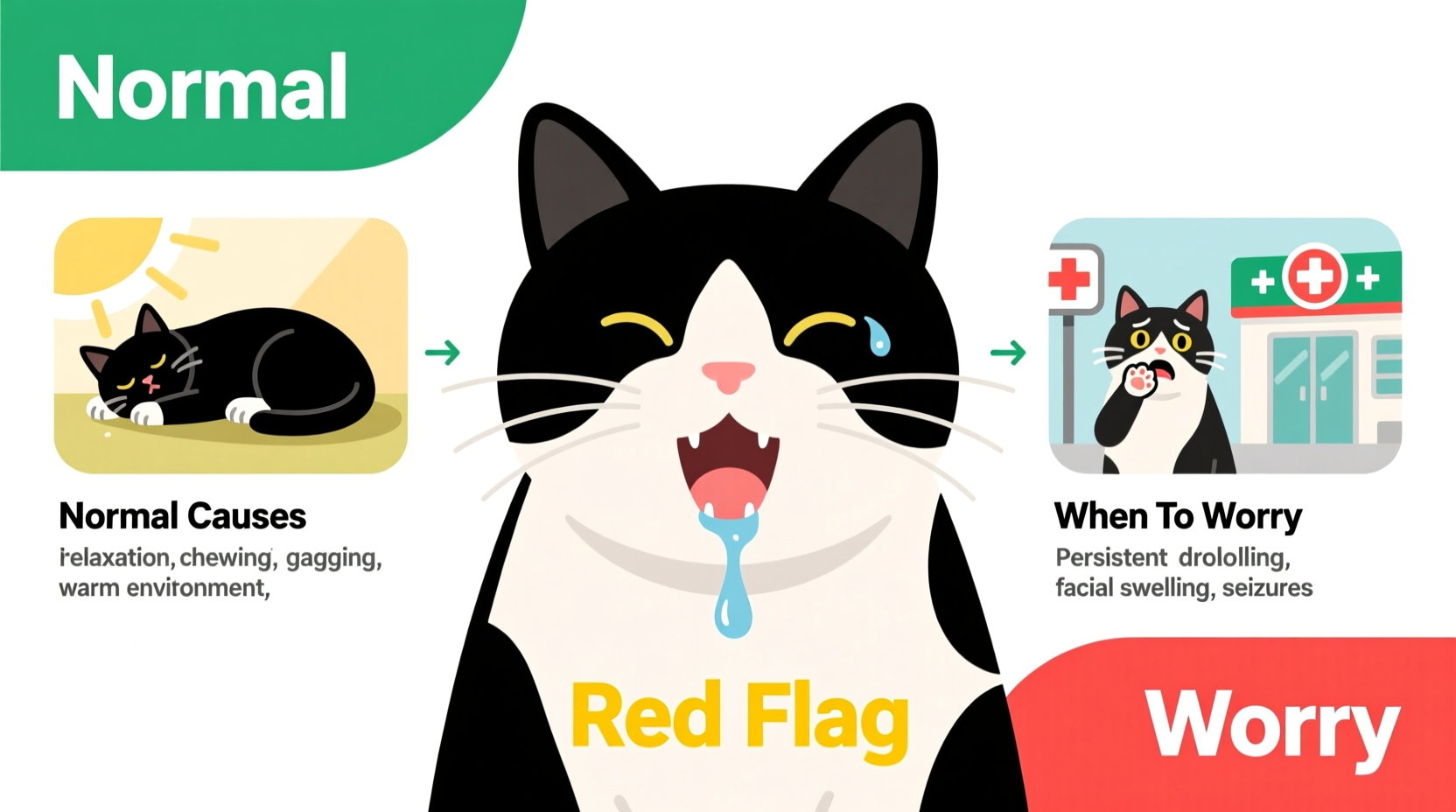
Drooling in cats, medically known as ptyalism, occurs when saliva flows more than usual from the mouth. It’s not always a cause for alarm. In fact, many cats drool during moments of deep relaxation or pleasure. However, the reasons behind drooling vary widely—from benign to serious.
- Pleasure or Contentment: Some cats drool when they’re being petted, especially around the cheeks or neck. This behavior often starts in kittenhood when nursing stimulates salivation.
- Feline Pheromone Response: Cats may drool when exposed to calming pheromones or during intense kneading sessions, linking the action to feelings of safety.
- Nausea: Just like humans, cats may produce excess saliva when feeling queasy. Motion sickness during car rides or gastrointestinal upset can trigger drooling.
- Dental and Oral Issues: Gum disease, tooth resorption, oral tumors, or ulcers can irritate the mouth and increase saliva production.
- Infections: Upper respiratory infections or oral fungal/bacterial infections often lead to increased salivation.
- Poisoning or Toxin Exposure: Ingestion of toxic plants (like lilies), household chemicals, or certain medications (e.g., aspirin) can cause excessive drooling.
- Foreign Objects: Sticks, string, or bones stuck in the mouth or throat can obstruct saliva flow and provoke drooling.
When Is Drooling Normal?
Not all drooling indicates a problem. Many cats exhibit this behavior in specific, predictable situations. Recognizing these patterns helps avoid unnecessary worry.
For example, elderly cats like “Milo,” a 12-year-old tabby, began drooling slightly whenever he sat on his owner’s lap. His veterinarian confirmed that despite mild dental tartar, Milo was otherwise healthy. The drooling correlated directly with relaxation and showed no other symptoms. Over time, his family learned to keep a small towel nearby—nothing more was needed.
Normal drooling typically includes:
- Occurring only during petting, purring, or kneading
- Lasting just a few minutes
- No foul odor from the mouth
- Accompanied by normal eating, grooming, and energy levels
“Some cats drool as part of their emotional expression—it’s akin to a human sigh of relief. The key is consistency and absence of other symptoms.” — Dr. Lena Patel, Feline Veterinarian, DVM
Red Flags: When to Worry About Drooling
Sudden, excessive, or prolonged drooling should never be ignored. These signs may indicate pain, illness, or toxicity. Seek veterinary attention promptly if your cat shows any of the following:
- Drooling that soaks fur under the chin or chest
- Blood-tinged or discolored saliva
- Refusal to eat or difficulty chewing
- Pawing at the mouth or face
- Bad breath (halitosis)
- Vomiting, lethargy, or diarrhea
- Tilting head or showing signs of imbalance (possible neurological issue)
Certain toxins act rapidly. For instance, exposure to phenolic disinfectants or ingestion of lilies can cause profuse drooling within minutes to hours. Immediate treatment is critical in such cases.
Step-by-Step: What to Do If Your Cat Starts Drooling Suddenly
- Stay calm and observe your cat’s behavior.
- Check the mouth gently for visible foreign objects, swelling, or discoloration (only if the cat allows).
- Note any recent changes: new foods, plants in the home, medications, or travel.
- Remove potential toxins and prevent further access.
- Contact your veterinarian immediately, especially if drooling persists beyond 15–20 minutes or is accompanied by other symptoms.
- Follow professional advice: You may be asked to bring your cat in or administer first aid.
Dental Health and Its Role in Drooling
Oral health is one of the most overlooked aspects of feline care. Studies show that over 70% of cats develop some form of dental disease by age three. Conditions like periodontal disease, tooth resorption, and gingivostomatitis are painful and frequently cause drooling.
Regular dental checkups and at-home care can prevent many issues. Signs of dental problems include:
| Symptom | May Indicate |
|---|---|
| Drooling with yellow or brown staining on fur | Dental infection or ulceration |
| Chewing on one side of the mouth | Tooth pain or abscess |
| Weight loss despite normal appetite | Painful eating due to gum disease |
| Visible tartar or broken teeth | Advanced dental decay |
Prevention and Care Checklist
Proactive care reduces the risk of health issues that lead to abnormal drooling. Follow this checklist to keep your cat healthy:
- ✅ Schedule annual veterinary exams (biannual for senior cats)
- ✅ Brush your cat’s teeth 2–3 times per week
- ✅ Provide dental-friendly toys or treats approved by veterinarians
- ✅ Keep toxic plants and chemicals out of reach
- ✅ Monitor food intake and watch for changes in chewing habits
- ✅ Inspect the mouth monthly for redness, swelling, or tartar
- ✅ Use species-appropriate medications only—never give human drugs
Frequently Asked Questions
Is it normal for cats to drool when purring?
Yes, some cats drool when deeply relaxed or content, especially during purring and kneading. As long as there are no other symptoms—such as weight loss, bad breath, or eating difficulties—this is considered normal bonding behavior.
Can stress cause my cat to drool?
Absolutely. Cats under extreme stress—such as during vet visits, travel, or loud events—may drool due to anxiety. This type of drooling is usually temporary and resolves once the stressor is removed.
Should I wipe my cat’s drool away?
Gently wiping excess drool with a soft, damp cloth can prevent skin irritation, especially in long-haired breeds. Avoid using soaps or wipes with alcohol. Dry the area thoroughly to prevent moisture buildup.
Conclusion: Know Your Cat, Trust Your Instincts
Cat drooling sits on a spectrum—from harmless affection responses to urgent medical alerts. By understanding the triggers and warning signs, you empower yourself to respond appropriately. Regular observation, preventive care, and timely vet consultations are your best tools. Remember, no two cats are exactly alike. What’s normal for one may be alarming for another. Trust your instincts: if something feels off, it’s better to seek advice early.
💬 Have a story about your drooling cat? Share your experience or questions in the comments—your insight could help another cat owner recognize a subtle sign before it becomes serious.








