
Cats are typically fastidious groomers, so when you notice your feline companion drooling or dribbling more than usual, it can be surprising — even concerning. While occasional drool may not signal a problem, persistent or excessive dribbling can indicate underlying health issues. Understanding the difference between benign and serious causes is essential for responsible pet ownership. This guide explores why cats dribble, identifies red flags, and clarifies when veterinary intervention is necessary.
Normal vs. Abnormal Dribbling in Cats
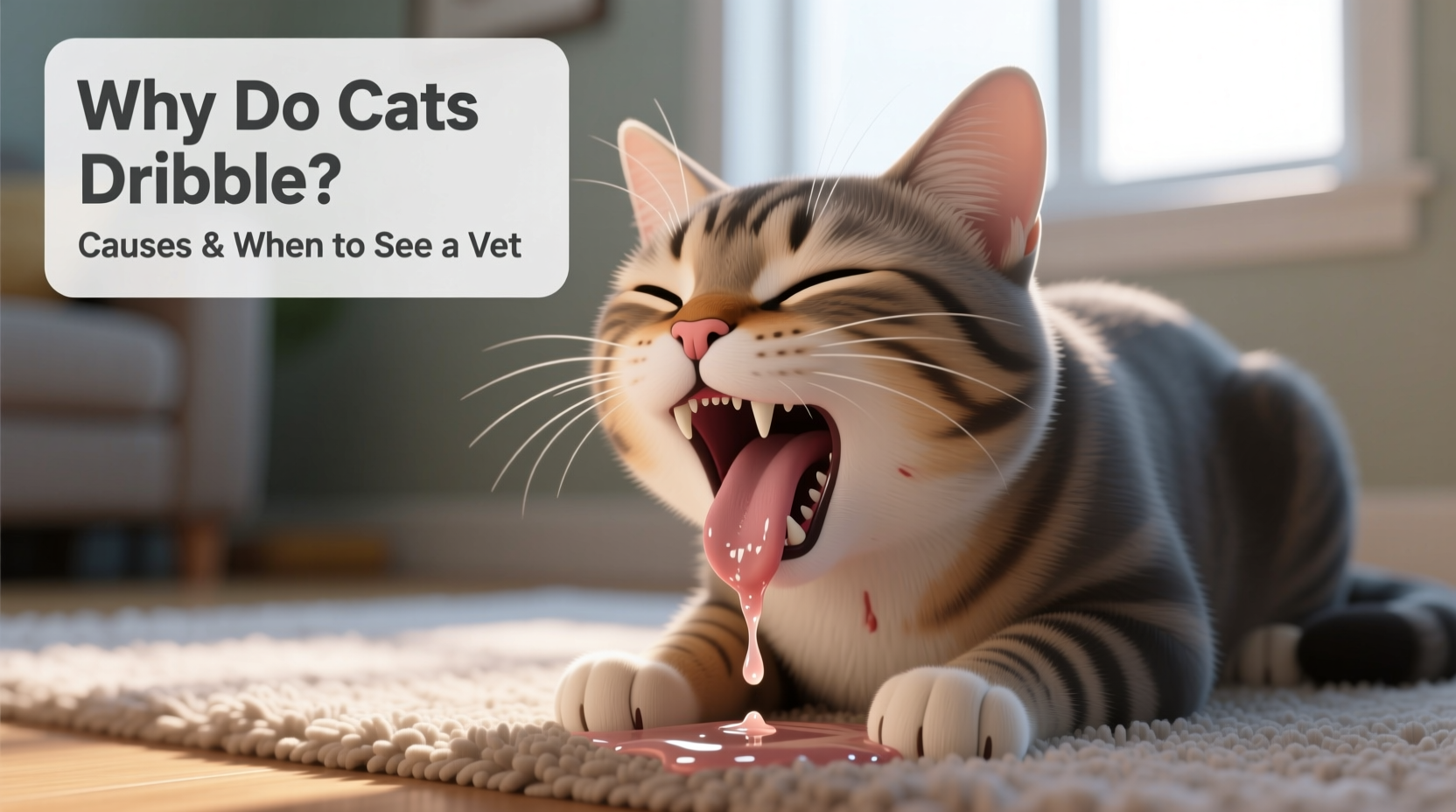
Not all drooling in cats is cause for alarm. Some cats naturally produce more saliva in certain situations. For example, a cat might dribble slightly when:
- Deeply relaxed or purring contentedly
- Anticipating food (especially if they love treats)
- Being gently petted in a favorite spot
- Exposed to strong scents they dislike (like citrus or certain medications)
This type of drooling is usually transient and stops once the stimulus is removed. It’s often clear, odorless, and doesn’t interfere with eating, drinking, or grooming.
In contrast, abnormal dribbling may be accompanied by other symptoms such as bad breath, difficulty swallowing, pawing at the mouth, loss of appetite, or changes in behavior. When drool is thick, discolored, or foul-smelling, it likely points to an underlying medical issue.
Tip: Observe your cat’s drooling in context. If it only happens during cuddle time and stops quickly, it’s likely harmless.Common Causes of Cat Dribbling
Drooling in cats can stem from a range of conditions, from mild to severe. Recognizing potential causes helps determine whether home monitoring is sufficient or if a vet visit is urgent.
Dental and Oral Health Problems
The most frequent cause of excessive drooling is dental disease. Conditions like gingivitis, tooth resorption, periodontal disease, or oral ulcers can make the mouth painful, leading to increased salivation.
A buildup of plaque and tartar can irritate gum tissue, while broken or infected teeth may cause abscesses. In some cases, tumors in the mouth can also lead to drooling, especially if they obstruct normal swallowing.
Foreign Objects or Injuries
Cats sometimes chew on strings, plastic, bones, or toxic plants, which can become lodged in the mouth or throat. A visible string hanging from the mouth is a veterinary emergency, as it can cause intestinal damage if swallowed.
Even small injuries from chewing sharp objects or fighting with other animals can result in pain and drooling.
Nausea or Gastrointestinal Upset
Like humans, cats may drool when feeling nauseous. Common triggers include dietary indiscretion, ingestion of toxins, motion sickness, or gastrointestinal illness. Drooling in these cases may be accompanied by vomiting, lethargy, or refusal to eat.
Respiratory Infections
Feline herpesvirus or calicivirus — common causes of upper respiratory infections — can lead to oral ulcers and nasal congestion. These ulcers are painful and often trigger excessive drooling. Cats may also sneeze, have watery eyes, or develop a fever.
Poisoning or Toxin Exposure
Exposure to household chemicals, certain plants (like lilies), or human medications can cause rapid-onset drooling. Some toxins, such as permethrin (found in dog flea treatments), are extremely dangerous to cats and require immediate treatment.
“Cats are particularly sensitive to chemical exposure. Even brief contact with certain pesticides can trigger severe salivation and neurological symptoms.” — Dr. Lena Torres, DVM, Feline Emergency Specialist
When to See a Veterinarian: Red Flags
While occasional drool is normal, certain signs demand prompt veterinary evaluation. Delaying care can lead to worsening conditions or irreversible damage.
| Symptom | Urgency Level | Action |
|---|---|---|
| Drooling with refusal to eat or drink | High | See vet within 24 hours |
| Blood-tinged or discolored saliva | High | Seek immediate care |
| Foul breath with facial swelling | Moderate-High | Vet visit within 48 hours |
| Drooling after applying topical medication | Immediate | Emergency — possible poisoning |
| Open-mouth breathing with drool | Critical | Rush to emergency clinic |
Case Example: Bella the Curious Kitten
Bella, a 7-month-old tabby, began drooling excessively after playing near her owner’s gardening supplies. Her owner noticed she was pawing at her mouth and refusing wet food. Upon inspection, a small piece of fertilizer-coated leaf was stuck between her molars. The irritation caused inflammation and drooling. After a quick vet visit and oral rinse, Bella recovered fully. This case highlights how environmental hazards can lead to sudden dribbling — and why swift action matters.
Step-by-Step: What to Do If Your Cat Starts Dribbling
If your cat begins drooling unexpectedly, follow this practical timeline to assess the situation:
- Stay calm and observe: Note when the drooling started, its consistency, and any accompanying behaviors.
- Check the mouth: Gently open your cat’s jaws to look for foreign objects, redness, ulcers, or broken teeth. Use a flashlight if needed.
- Review recent activities: Did your cat chew on something unusual? Was a new cleaning product used? Did they receive medication?
- Withhold food temporarily: If nausea is suspected, remove food for 2–3 hours but offer fresh water.
- Contact your vet: Describe symptoms clearly. If in doubt, schedule an appointment — better safe than sorry.
Prevention and Home Care Tips
While not all causes of dribbling can be prevented, proactive care reduces risks significantly.
- Schedule annual dental checkups with your veterinarian.
- Brush your cat’s teeth regularly using pet-safe toothpaste.
- Provide safe toys and avoid giving access to strings, ribbons, or toxic houseplants.
- Store medications and chemicals securely out of reach.
- Feed a balanced diet to support overall immune and oral health.
Checklist: Monitor for Trouble Signs
- ✅ Is your cat eating normally?
- ✅ Does drool stop after the stimulus is gone?
- ✅ Any visible wounds or objects in the mouth?
- ✅ Bad breath or color changes in saliva?
- ✅ Lethargy, vomiting, or hiding behavior?
If three or more items raise concern, consult your vet promptly.
Frequently Asked Questions
Is it normal for cats to drool when purring?
Yes, some cats drool slightly when deeply relaxed or being petted. This is usually harmless if it’s infrequent and not associated with other symptoms.
Can stress cause my cat to drool?
Yes. Stressful events like car rides, vet visits, or loud noises can trigger temporary drooling due to anxiety or nausea. However, prolonged drooling under stress warrants investigation.
What should I do if my cat drools after taking medicine?
Some oral medications have bitter tastes that cause drooling. Rinse the mouth gently with water and offer a small treat afterward. If drooling persists beyond 15 minutes or is accompanied by vomiting, contact your vet.
Conclusion: Trust Your Instincts
Cat dribbling isn’t always a sign of trouble, but it shouldn’t be ignored when patterns change or other symptoms appear. As a caregiver, your attention to subtle shifts in behavior is the first line of defense. Whether it’s a minor irritation or a serious condition, early detection leads to faster recovery and less discomfort for your cat.
💬 Your experience matters. Have you dealt with a drooling cat? Share your story or tips in the comments to help fellow cat owners stay informed and prepared.








