
Recurrent yeast infections affect nearly 75% of women at least once in their lifetime, with up to 8% experiencing four or more episodes annually. While occasional fungal overgrowth is common, persistent or frequent infections signal deeper imbalances that require attention beyond short-term antifungal creams. Understanding the underlying causes, effective medical and natural treatments, and long-term prevention methods is essential for lasting relief.
Understanding Yeast Infections: The Basics
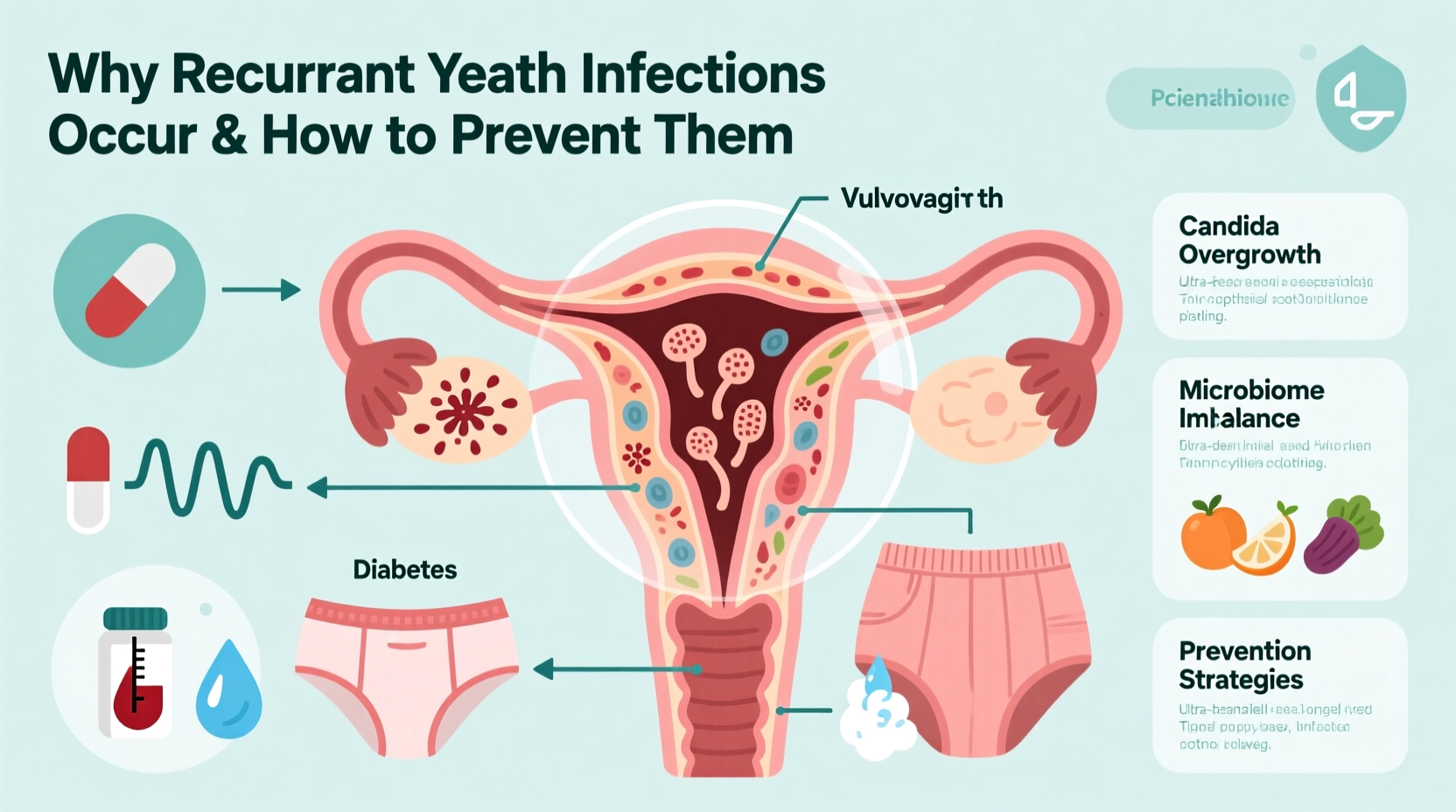
A vaginal yeast infection—also known as vulvovaginal candidiasis—is caused by an overgrowth of *Candida albicans*, a fungus naturally present in small amounts in the vagina, mouth, digestive tract, and on the skin. When the body’s microbial balance is disrupted, Candida multiplies uncontrollably, leading to symptoms such as itching, burning, thick white discharge, redness, and discomfort during intercourse or urination.
While most cases are mild and easily treated, some individuals face recurring infections—defined medically as four or more symptomatic episodes within one year. This condition, known as recurrent vulvovaginal candidiasis (RVVC), affects quality of life and often requires a different approach than isolated flare-ups.
Common Triggers of Initial Infection
- Antibiotic use: Broad-spectrum antibiotics kill beneficial bacteria like *Lactobacillus*, which help maintain an acidic vaginal pH and suppress yeast growth.
- Hormonal changes: Pregnancy, menstruation, and hormonal contraceptives can alter vaginal chemistry, promoting yeast proliferation.
- High-sugar diets: Sugar feeds yeast, increasing the risk of overgrowth.
- Tight clothing: Non-breathable fabrics trap moisture and heat, creating an ideal environment for fungi.
- Weakened immunity: Conditions like diabetes, HIV, or chronic stress impair immune defenses against opportunistic microbes.
Why Some People Experience Constant Yeast Infections
Recurring infections are not simply due to poor hygiene or repeated exposure. Instead, they often stem from systemic factors that create a favorable environment for Candida. Identifying these root causes is crucial for breaking the cycle.
Underlying Medical Conditions
Uncontrolled type 2 diabetes significantly increases susceptibility. Elevated blood glucose levels provide fuel for yeast, while high sugar content in vaginal secretions promotes colonization. Similarly, immunocompromised individuals—including those undergoing chemotherapy or living with autoimmune disorders—are less able to regulate microbial populations.
“Recurrent yeast infections should prompt evaluation for undiagnosed diabetes or immune dysfunction, especially if standard treatments fail.” — Dr. Lena Patel, Gynecologist & Infectious Disease Specialist
Microbial Imbalance (Dysbiosis)
The vaginal microbiome relies heavily on *Lactobacillus* species to maintain a protective acidic environment (pH 3.8–4.5). When this balance is disturbed—by douching, spermicides, or frequent antibiotic use—Candida gains a foothold. Some research suggests certain strains of *Lactobacillus* may be more effective than others in preventing recurrence, indicating personalized probiotic therapy could play a role.
Persistent Biofilms
In some cases, Candida forms biofilms—protective layers that make it resistant to conventional antifungals. These resilient colonies can survive treatment and re-emerge weeks later, mimicking reinfection when it's actually persistence. This phenomenon may explain why some patients relapse despite proper medication adherence.
Effective Treatment Options for Recurrent Cases
Standard single-dose antifungal therapies (like fluconazole or clotrimazole) work well for isolated infections but are often insufficient for RVVC. A more structured, extended regimen is typically required.
Medical Treatment Protocol
- Initial intensive phase: Weekly oral fluconazole for 10–14 days or topical antifungals used every third day for several weeks.
- Maintenance phase: Fluconazole once weekly for 6 months to prevent relapse.
- Partner treatment: Though not always necessary, treating sexual partners may help in cases of persistent transmission, particularly in same-sex female couples where shared flora has been documented.
In resistant cases, cultures may identify non-albicans Candida species (e.g., *C. glabrata*), which respond poorly to standard azole drugs. Alternative treatments like boric acid suppositories (600 mg nightly for 14 days) or nystatin become necessary.
Natural and Supportive Therapies
- Probiotics: Strains like *Lactobacillus rhamnosus GR-1* and *L. reuteri RC-14* have clinical evidence supporting vaginal health restoration.
- Dietary adjustments: Reducing refined sugars, alcohol, and processed carbohydrates can starve yeast and support immune function.
- Coconut oil: Contains lauric acid, which exhibits antifungal properties; may be used topically (patch test first).
Prevention Strategies: Building Long-Term Resilience
Preventing recurrence involves lifestyle modifications, consistent self-care, and awareness of personal triggers. A proactive approach reduces dependency on medications and enhances overall well-being.
Do’s and Don’ts for Vaginal Health
| Do | Don't |
|---|---|
| Wear cotton underwear and loose-fitting clothes | Wear synthetic, tight underwear or leggings for extended periods |
| Change out of wet swimsuits or workout gear promptly | Stay in damp clothing for hours |
| Use unscented, pH-balanced intimate washes | Douche or use scented soaps, sprays, or wipes |
| Practice balanced blood sugar management | Consume high-glycemic meals regularly |
| Take probiotics daily, especially after antibiotics | Ignore signs of imbalance—itching, odor, discharge |
Step-by-Step Prevention Plan
- Track patterns: Keep a symptom diary noting diet, menstrual cycle, medication use, and outbreaks to identify personal triggers.
- Optimize diet: Focus on whole foods, fiber, fermented items (kefir, sauerkraut), and low sugar intake.
- Strengthen immunity: Prioritize sleep, manage stress through mindfulness or yoga, and ensure adequate vitamin D and zinc.
- Review medications: Discuss alternatives to high-estrogen birth control or frequent antibiotics with your healthcare provider.
- Schedule follow-ups: Regular gynecological exams help monitor progress and adjust treatment plans.
Real-Life Example: Breaking the Cycle
Sarah, a 34-year-old teacher, suffered from monthly yeast infections for over two years. Despite using over-the-counter creams each time, symptoms returned within weeks. Her doctor ordered a vaginal culture, revealing *Candida glabrata*—a strain resistant to common antifungals. Sarah was prescribed boric acid suppositories and began a daily probiotic regimen. She also reduced her intake of sugary snacks and switched from synthetic underwear to breathable cotton. After three months, her symptoms ceased. With continued maintenance fluconazole for six months, she remained infection-free for the first time in years.
Frequently Asked Questions
Can sex cause recurring yeast infections?
Sex itself doesn’t directly cause yeast infections, but friction, lubricants, or condoms with glycerin (a sugar-based compound) can irritate tissues and promote yeast growth. Additionally, Candida can be transferred between partners, particularly in same-sex relationships. Using non-irritating lubricants and practicing good hygiene before and after sex can help reduce risk.
Are home remedies like yogurt or garlic effective?
Plain, unsweetened yogurt contains live cultures that may support vaginal health when consumed, though evidence for direct insertion is limited and carries contamination risks. Garlic has antifungal properties, but inserting raw cloves vaginally can cause burns or irritation. These methods are not substitutes for medical treatment and should be approached cautiously.
When should I see a doctor for recurrent infections?
If you experience four or more confirmed yeast infections per year, or if over-the-counter treatments no longer work, consult a healthcare provider. Persistent symptoms may indicate a different condition—such as bacterial vaginosis, lichen sclerosus, or allergic reactions—that requires accurate diagnosis and targeted therapy.
Conclusion: Take Control of Your Vaginal Health
Constant yeast infections are not something you must endure. With a clear understanding of causes, access to effective treatments, and a commitment to preventive care, it’s entirely possible to break the cycle. Addressing root imbalances—whether dietary, hormonal, or microbial—is far more sustainable than treating symptoms alone. Work closely with your healthcare provider, listen to your body, and take proactive steps toward long-term wellness.
💬 Your health journey matters. Share your experiences or questions below—your story could help someone else find relief.








