Chinchillas are beloved for their soft, dense fur and lively personalities. Native to the arid Andes Mountains of South America, these small rodents have evolved under very specific environmental conditions. One of the most critical aspects of chinchilla care is understanding that they must never get wet—especially not from water. While it might seem harmless or even necessary to bathe a pet in water, doing so with a chinchilla can lead to serious health complications, including fungal infections, hypothermia, and even death. This article explores the biological reasons behind this sensitivity, the real dangers of moisture exposure, and how to properly maintain your chinchilla’s coat using safe, species-appropriate methods.
The Science Behind Chinchilla Fur
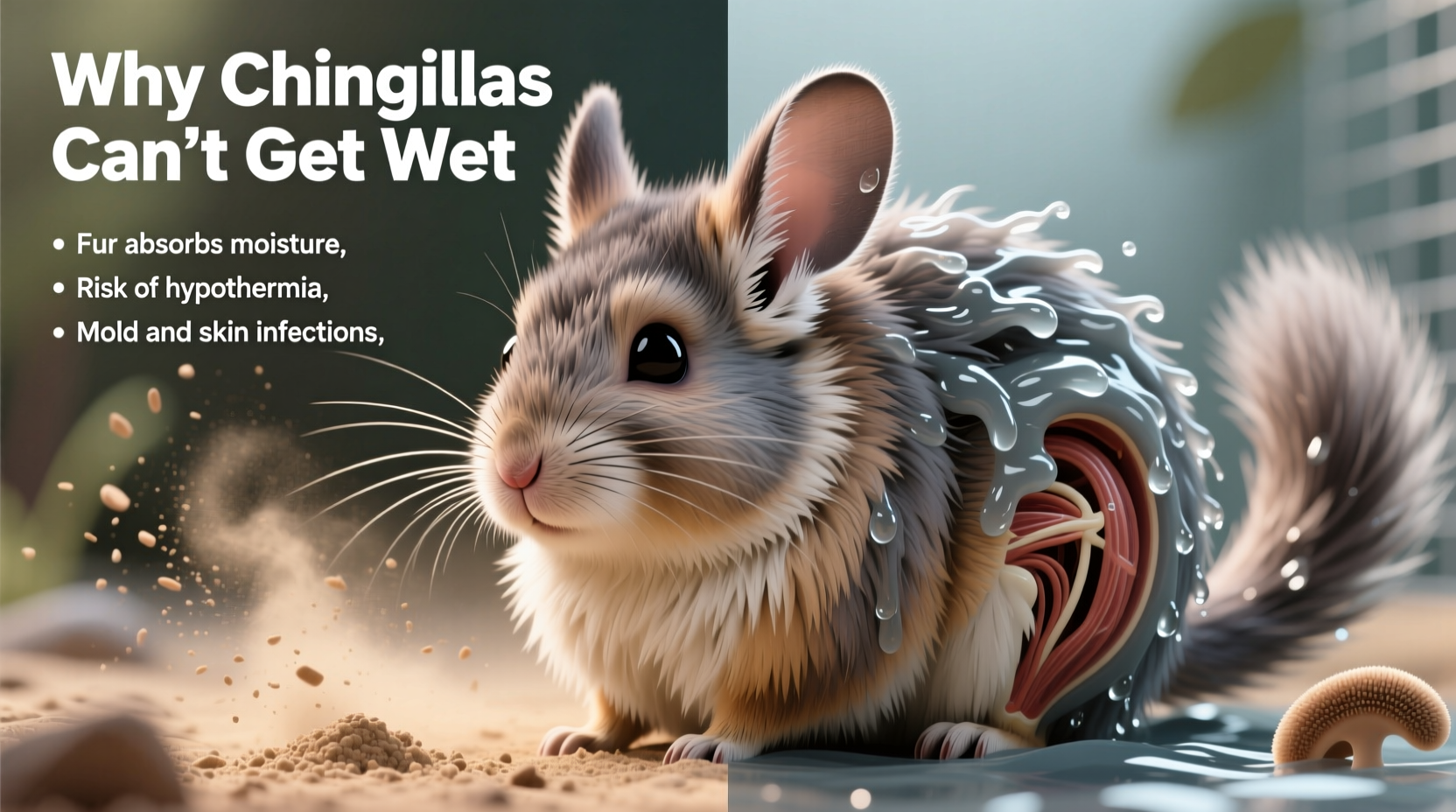
Chinchillas possess one of the densest furs in the animal kingdom. Each hair follicle can produce up to 60 individual hairs—compared to just one or two in humans. This extraordinary density serves as insulation against the cold, dry mountain climates where they originate. However, this same adaptation makes their fur highly susceptible to retaining moisture.
Unlike animals with water-resistant coats, chinchilla fur lacks natural oils that repel water. When wet, the fur clumps together, trapping moisture close to the skin. This creates an ideal environment for bacteria and fungi to grow. Additionally, because the fur dries extremely slowly, the chinchilla remains damp for hours or even days, increasing the risk of chilling and respiratory issues.
“Water bathing disrupts the natural structure of chinchilla fur and can compromise thermoregulation. Their physiology simply isn’t designed for it.” — Dr. Lena Torres, Exotic Mammal Veterinarian
Risks of Getting a Chinchilla Wet
Exposing a chinchilla to water—even briefly—can result in multiple health hazards:
- Fungal Infections: Damp fur encourages mold and yeast growth, particularly Trichophyton mentagrophytes, which causes ringworm. Symptoms include patchy hair loss, flaky skin, and itching.
- Hypothermia: Even in warm rooms, evaporative cooling from wet fur can rapidly lower body temperature. Chinchillas are prone to shock when chilled.
- Matted Fur: Once wet, the fur tends to form tight mats that restrict movement and trap debris, leading to skin irritation.
- Stress and Behavioral Changes: The experience of being wet is terrifying for chinchillas. Stress weakens their immune system and may trigger self-harming behaviors like fur slipping (where they shed patches of fur when frightened).
- Pneumonia: Prolonged dampness combined with cold air increases susceptibility to respiratory infections, a leading cause of mortality in captive chinchillas.
Safe Alternatives: The Role of Dust Baths
Instead of water, chinchillas clean themselves through dust baths—a natural behavior observed in the wild. They roll in fine volcanic ash or specialized dust, which absorbs excess oil and removes dirt from deep within their fur.
To support this instinctive grooming habit:
- Use only chinchilla-specific dust (not sand or generic powders).
- Provide a bath 2–3 times per week for 10–15 minutes each session.
- Remove the dust container after use to prevent over-bathing, which can dry the skin.
- Store dust in a sealed container to keep it dry and free of contaminants.
Dust baths work by mechanically dislodging debris and absorbing sebum without disrupting the fur’s insulating properties. This method keeps the coat fluffy, clean, and functional—exactly as nature intended.
What to Do If Your Chinchilla Gets Wet
Accidents happen. If your chinchilla comes into contact with water—whether from a spilled bowl, misting spray, or unintended bath—it's crucial to act quickly.
Mini Case Study: Sarah, a first-time chinchilla owner, accidentally sprayed her pet while cleaning the cage. Though only lightly misted, the chinchilla’s back became damp. Within hours, the fur began to mat. She contacted her vet immediately, who advised gentle drying with a low-heat blow dryer (held at least 12 inches away) and monitoring for signs of distress. After two days of careful observation, the chinchilla recovered—but Sarah now keeps all liquids far from the enclosure.
If your chinchilla gets wet:
- Blot excess moisture gently with a clean, absorbent towel. Do not rub.
- Place the animal in a warm, draft-free room (ideally 65–75°F).
- Use a hairdryer on the lowest heat and speed setting, held at a safe distance, to accelerate drying. Monitor closely to avoid overheating.
- Check every few hours for matted fur, shivering, or lethargy.
- Contact an exotic veterinarian if any symptoms develop.
| Risk Factor | Prevention Strategy |
|---|---|
| Fungal Growth | Keep fur dry; provide regular dust baths |
| Hypothermia | Avoid water; dry immediately if exposed |
| Fur Matting | Never wet the coat; detangle only when completely dry |
| Respiratory Infection | Maintain stable temperature and humidity |
| Stress | Minimize handling during drying; offer hiding spaces |
Common Misconceptions About Chinchilla Care
Despite growing awareness, several myths persist about chinchilla hygiene:
- Myth: “A quick rinse won’t hurt.”
Truth: Even minimal water exposure can initiate matting and chilling. - Myth: “They need water baths like dogs or cats.”
Truth: Chinchillas are not related to common household pets and have entirely different grooming needs. - Myth: “Baby wipes are safe for spot cleaning.”
Truth: Moist wipes contain chemicals and water that can irritate sensitive skin and introduce dampness.
Frequently Asked Questions
Can I ever use water on my chinchilla?
Only under direct veterinary instruction—for example, in cases of medical treatment requiring topical application. Even then, exposure should be minimal and followed by immediate drying.
How often should chinchillas take dust baths?
2–3 times per week is sufficient for most chinchillas. Overuse can dry out the skin, while infrequent bathing leads to oily, dirty fur.
What kind of dust should I use?
Use commercial chinchilla dust made from ultra-fine pumice or volcanic ash. Avoid sand, cornstarch, or homemade mixtures, which can cause respiratory or skin issues.
Essential Chinchilla Care Checklist
- ✅ Provide a dust bath 2–3 times weekly using species-safe dust
- ✅ Store dust in a dry, sealed container between uses
- ✅ Keep cages away from humid areas like kitchens or bathrooms
- ✅ Never bathe your chinchilla in water
- ✅ Inspect fur weekly for signs of matting or irritation
- ✅ Use water bottles (not bowls) to minimize spill risks
- ✅ Maintain ambient temperatures below 75°F to reduce stress
- ✅ Schedule annual check-ups with an exotic animal vet
Conclusion: Respecting Natural Needs for a Healthier Pet
Understanding why chinchillas can’t get wet is not just about avoiding accidents—it’s about honoring their biology. These animals thrive when their care aligns with their evolutionary needs. By replacing outdated ideas about cleanliness with informed, species-specific practices like dust bathing, owners can prevent illness, reduce stress, and extend their pet’s lifespan.
Chinchillas rely entirely on their caregivers to create a safe, dry environment. Every decision—from the type of bedding used to how cleaning supplies are stored—impacts their well-being. With the right knowledge, you can ensure your chinchilla remains active, fluffy, and healthy for years to come.
💬 Have questions about chinchilla care or want to share your dust bath routine? Join the conversation and help spread awareness about keeping these delicate animals safe and dry!








