
Cats and dogs may share your home, but their nutritional needs are worlds apart. While it might seem harmless to let your cat nibble from the dog’s bowl—especially if they’re curious or picky—it’s a practice that can lead to long-term health consequences. Cat physiology is uniquely adapted to a specific set of dietary requirements that dog food simply doesn’t meet. Feeding your cat dog food regularly, even in small amounts, can result in nutrient deficiencies, organ stress, and chronic illness. Understanding why this mismatch exists is essential for responsible pet ownership.
Nutritional Differences Between Cats and Dogs
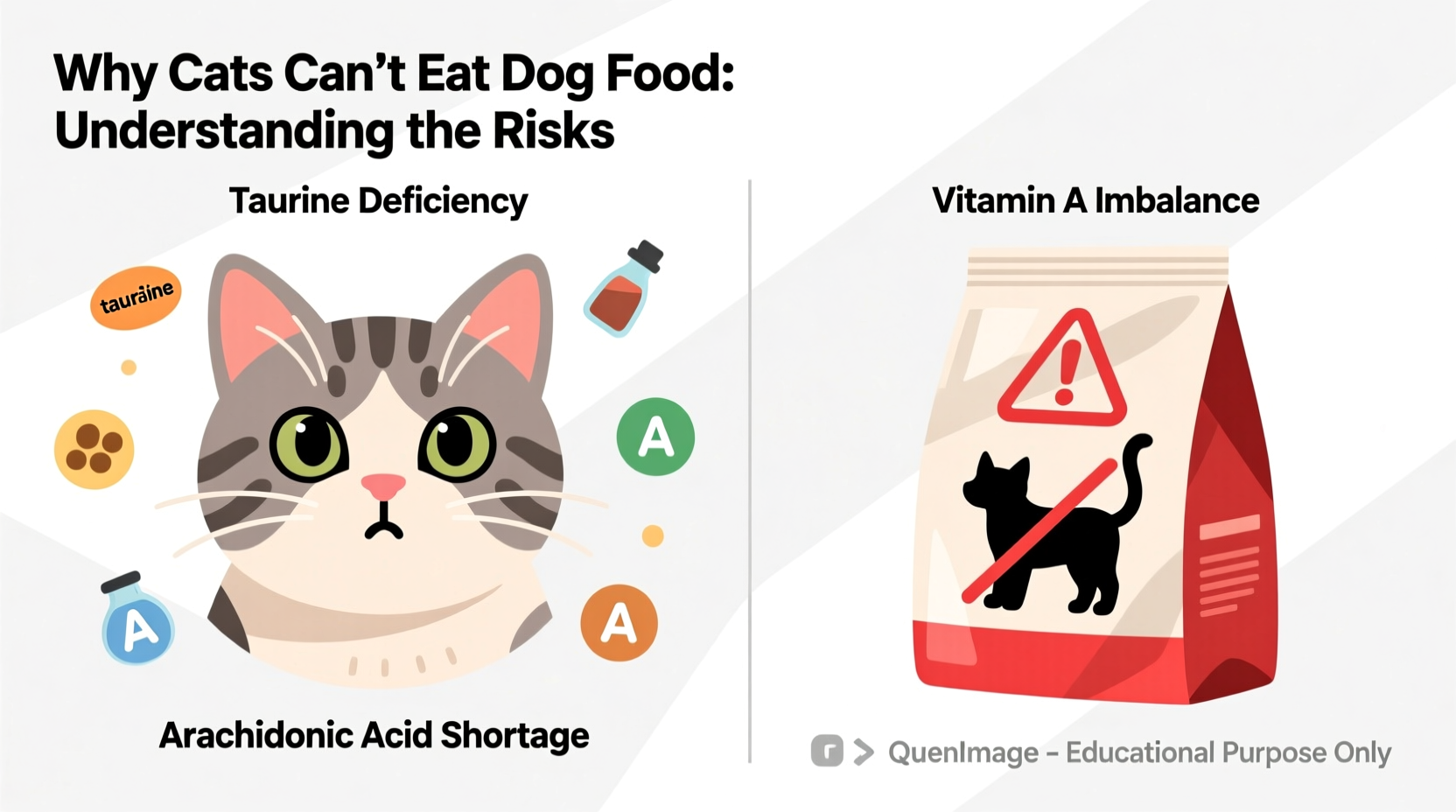
Cats are obligate carnivores, meaning their bodies are designed to derive nutrients almost exclusively from animal tissue. Unlike dogs, who are omnivorous scavengers capable of digesting plant matter and adapting to various diets, cats have evolved with strict biological dependencies on certain nutrients found only in meat.
For example, cats cannot synthesize taurine, an amino acid critical for heart function, vision, and reproduction. While dogs can produce taurine internally or absorb it more efficiently, cats must obtain it pre-formed through their diet. Most dog foods do not contain sufficient levels of taurine to meet a cat’s daily needs. A deficiency can lead to dilated cardiomyopathy—a potentially fatal heart condition—and irreversible blindness.
Another key difference lies in vitamin A metabolism. Cats cannot convert beta-carotene (found in plants) into active vitamin A. They require preformed retinol, which is abundant in liver and other animal organs. Dog food often relies on plant-based sources for vitamin A, making it inadequate for cats.
Tip: Always check ingredient labels. If the first few ingredients aren’t animal-based proteins like chicken, turkey, or fish, the food is likely unsuitable for cats.Essential Nutrients Missing in Dog Food
Beyond taurine and vitamin A, several other nutrients are either absent or insufficient in dog food when it comes to feline health:
- Arachidonic acid: An omega-6 fatty acid vital for skin health, kidney function, and inflammation regulation. Cats cannot produce it themselves and must get it from animal fats—common in cat food but rarely included in adequate amounts in dog food.
- Niacin (Vitamin B3): Cats have a higher requirement and limited ability to synthesize niacin from tryptophan. Deficiency leads to dermatitis, diarrhea, and neurological issues.
- Protein levels: Cats need significantly more protein than dogs—around 25–30% on a dry matter basis. Dog food typically contains 18–22%, which may lead to muscle wasting and metabolic stress over time.
“Feeding a cat dog food is like feeding a human nothing but snacks—they might survive, but they won’t thrive.” — Dr. Linda Osborne, Veterinary Nutritionist
Risks of Long-Term Dog Food Consumption
Occasional licks from a dog’s bowl are unlikely to cause immediate harm, but consistent consumption poses serious threats:
| Risk | Symptom | Potential Outcome |
|---|---|---|
| Taurine deficiency | Lethargy, poor vision, labored breathing | Dilated cardiomyopathy, blindness |
| Low protein intake | Weight loss, dull coat, weakness | Muscle atrophy, weakened immune system |
| Vitamin A insufficiency | Dry skin, night blindness, poor growth | Chronic organ damage |
| Arachidonic acid lack | Flaky skin, slow wound healing | Kidney dysfunction, inflammation |
These deficiencies develop gradually, which makes them difficult to detect until significant damage has occurred. By the time symptoms appear, intervention may be too late to reverse some conditions.
Mini Case Study: Bella the Domestic Shorthair
Bella, a 4-year-old domestic shorthair, was brought to a veterinary clinic after her owner noticed she was increasingly lethargic and had begun bumping into furniture. Blood tests revealed low taurine levels and early-stage retinal degeneration. Upon investigation, the veterinarian learned that Bella shared a household with two dogs and had unrestricted access to their food. Her owner assumed “pet food is pet food.” After switching Bella exclusively to a high-quality, taurine-rich cat diet and supplementing under veterinary guidance, her energy improved—but the vision loss was permanent. This case underscores how easily preventable harm can occur when species-specific nutrition is overlooked.
How to Prevent Accidental Dog Food Consumption
Preventing cross-feeding starts with management and awareness. Here’s a practical checklist to keep your cat safe:
📋 Checklist: Preventing Cat Access to Dog Food- Feed pets in separate rooms or at different times.
- Use timed feeders or puzzle bowls for dogs to limit free-feeding opportunities.
- Store dry dog food in sealed containers out of reach.
- Supervise meal times if pets are fed simultaneously.
- Train dogs to stay away from cat food areas using positive reinforcement.
- Consider elevated feeding stations accessible only to cats.
In multi-pet homes, convenience should never override safety. Even well-meaning shortcuts can compromise your cat’s long-term health.
Step-by-Step Guide to Transitioning Your Cat to Proper Nutrition
If your cat has been eating dog food—even occasionally—it’s crucial to transition them to a species-appropriate diet as soon as possible. Follow these steps:
- Consult your veterinarian. Get a baseline health check, including blood work to assess nutrient levels.
- Choose a high-quality cat food. Look for AAFCO-compliant formulas with animal protein as the first ingredient.
- Introduce new food gradually. Mix 25% cat food with 75% current diet for 2–3 days, then increase the proportion every few days.
- Monitor for digestive changes. Soft stools or refusal to eat may indicate the transition is too fast.
- Eliminate dog food completely. Once fully transitioned, ensure no access to dog food remains.
- Schedule a follow-up vet visit. Reassess in 6–8 weeks, especially if deficiencies were suspected.
Frequently Asked Questions
Can cats eat dog food in an emergency?
In a true emergency—such as running out of cat food overnight—a small amount of dog food is unlikely to cause harm. However, it should never exceed one meal. Resume a proper cat diet immediately afterward and monitor for any adverse reactions.
What if my cat prefers the taste of dog food?
Cats may prefer dog food due to flavor enhancers or fat content. However, preference does not equate to suitability. Gradually reintroduce palatable cat foods, perhaps mixing in tuna juice or chicken broth (without onions or garlic) to entice them. Avoid reinforcing the habit by giving in to demands.
Are there any dog foods safe for cats?
No. Even premium or “all-life-stages” dog foods do not meet the stringent nutritional profiles required by cats. There is no commercially available dog food formulated to fulfill feline-specific needs.
Conclusion: Prioritize Species-Specific Nutrition
Your cat’s longevity and vitality depend on a diet tailored to their biology. While dog food may look similar and even smell appealing to your feline, it lacks the essential building blocks they need to thrive. From taurine to protein density, every component of a cat’s diet plays a role in maintaining organ function, immune strength, and overall wellness. Recognizing that cats aren’t just small dogs when it comes to nutrition is a cornerstone of responsible pet care.
Take action today: audit your feeding routine, secure food storage, and commit to providing only cat-formulated meals. Your cat may not speak your language, but their health will reflect the choices you make.
💬 Have questions about your cat’s diet or experiences with pet food mix-ups? Share your story in the comments—your insight could help another pet owner avoid a costly mistake.








