
Avocados are a staple in many human diets—packed with healthy fats, fiber, and essential nutrients. But while this fruit is celebrated for its health benefits in people, it poses real dangers to dogs. Despite occasional myths suggesting otherwise, avocados are not safe treats for your canine companion. Understanding why requires a look into the toxic components, potential symptoms, and long-term risks associated with avocado ingestion in dogs.
The Hidden Danger: Persin in Avocados
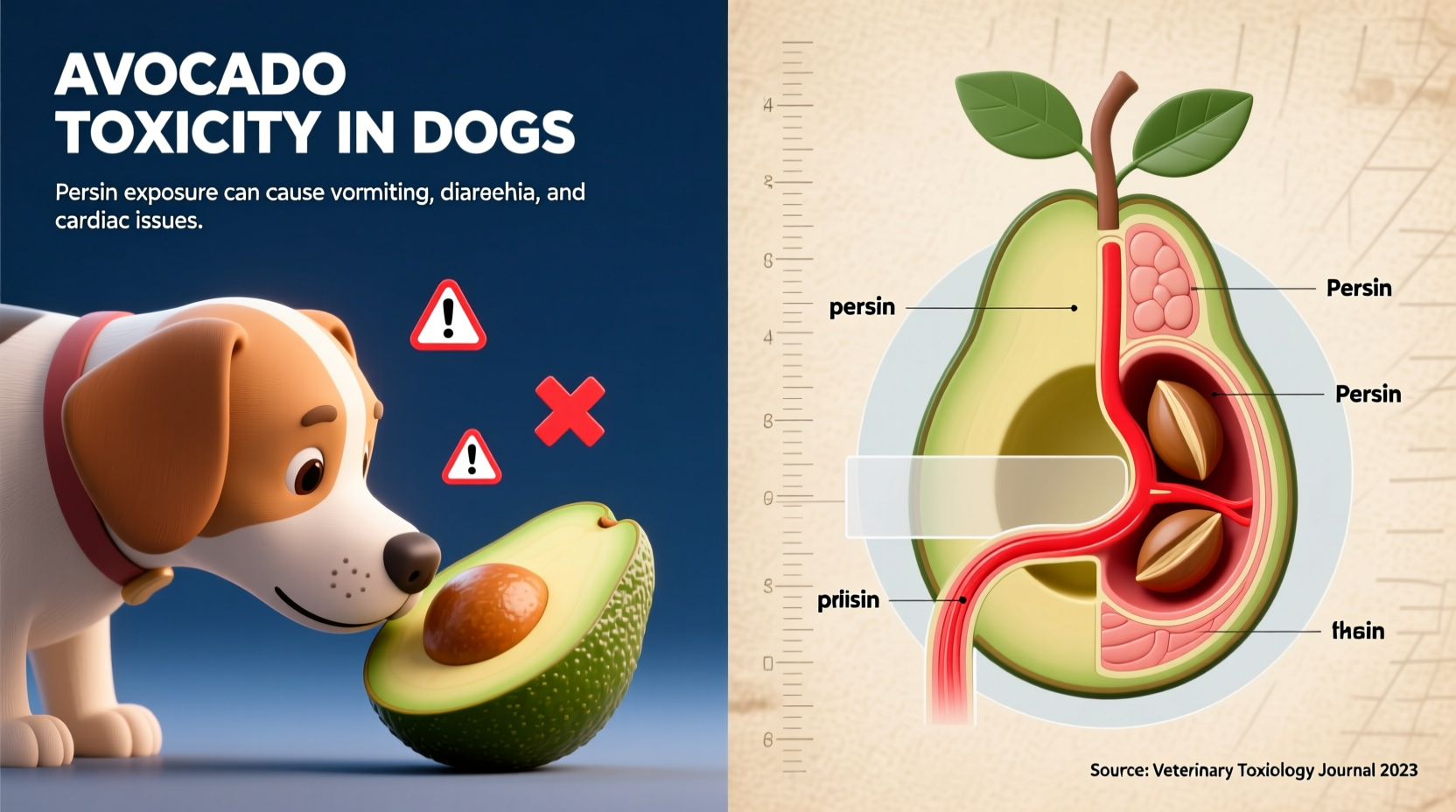
At the heart of the issue is a naturally occurring compound called persin, found in all parts of the avocado plant—including the fruit, pit, skin, leaves, and bark. While persin is harmless to humans, it can be toxic to many animals, including birds, rabbits, horses, and notably, dogs.
In dogs, persin does not typically cause severe poisoning in small amounts, but sensitivity varies widely between individuals. Some dogs may show no immediate reaction after nibbling on avocado flesh, while others develop serious gastrointestinal or cardiovascular issues. The risk increases significantly when dogs consume larger portions or ingest non-flesh parts like the pit or skin, which contain higher concentrations of persin.
“Even though dogs are more resistant to persin than other animals, we’ve seen cases of vomiting, diarrhea, and even myocardial damage linked to avocado exposure.” — Dr. Lena Torres, Veterinary Toxicologist at the ASPCA Animal Poison Control Center
Symptoms of Avocado Toxicity in Dogs
If your dog eats avocado, watch closely for signs of distress. Symptoms may appear within a few hours or be delayed up to 24–48 hours depending on the amount ingested and the part consumed.
- Vomiting and nausea
- Diarrhea or abdominal pain
- Loss of appetite
- Lethargy or weakness
- Difficulty breathing (in severe cases)
- Fluid accumulation around the heart or lungs
While mild digestive upset is the most common outcome, prolonged exposure or large doses of persin may lead to more serious conditions such as heart tissue damage, especially in dogs with preexisting cardiac conditions.
Tip: Never assume that because a food is healthy for you, it’s safe for your dog. Always verify with a veterinarian before introducing new foods.Choking and Obstruction Hazards: The Pit Problem
Beyond chemical toxicity, one of the most immediate dangers of avocados to dogs comes from the large, smooth pit. If swallowed, the pit can become lodged in the esophagus, stomach, or intestines, leading to a life-threatening blockage.
Dogs who chew on or swallow avocado pits may require emergency surgery to remove the obstruction. Even partial blockages can cause chronic vomiting, dehydration, and malnutrition if left untreated.
In addition, the size and shape of the pit make it a choking hazard, particularly for small breeds like Chihuahuas, Pomeranians, or toy poodles. Always dispose of avocado pits securely and keep them out of reach of curious pets.
Risks by Avocado Part: A Comparative Overview
| Part of Avocado | Persin Level | Main Risk to Dogs |
|---|---|---|
| Flesh (green part) | Low to moderate | Gastrointestinal upset, mild toxicity |
| Skin (rind) | High | Toxicity, digestive irritation |
| Pit (seed) | Moderate | Choking, intestinal blockage, toxicity |
| Leaves & Stem | Very high | Severe toxicity; avoid all contact |
This table highlights why no part of the avocado should be considered safe. Even guacamole—a popular human dish made from mashed avocado—is risky due to added ingredients like garlic, onion, salt, and spices, which are highly toxic to dogs.
Real-Life Scenario: When a Snack Goes Wrong
Consider the case of Max, a 3-year-old Labrador Retriever. One evening, his owner absentmindedly tossed him a small piece of avocado from her sandwich, believing it to be harmless. Within six hours, Max began vomiting repeatedly and refused to eat dinner. His abdomen was tender, and he appeared unusually tired.
After a visit to the emergency vet, Max was diagnosed with mild avocado toxicity and gastric irritation. He required intravenous fluids and anti-nausea medication for 24 hours before recovering fully. The vet confirmed that while the amount ingested wasn’t lethal, Max’s individual sensitivity made him more vulnerable than average.
This example underscores a critical point: reactions vary. Just because one dog tolerates avocado doesn’t mean another will. Relying on anecdotal evidence puts pets at unnecessary risk.
What to Do If Your Dog Eats Avocado
Immediate action can prevent complications. Follow this step-by-step guide if your dog consumes any part of an avocado:
- Stay calm and assess what was eaten—flesh, skin, pit, or guacamole.
- Note the quantity and time of ingestion if possible.
- Check for symptoms such as vomiting, drooling, or discomfort.
- Contact your veterinarian or animal poison control immediately. In the U.S., call the ASPCA Animal Poison Control Center at (888) 426-4435.
- Do not induce vomiting unless instructed by a professional.
- Monitor your dog closely for 24–48 hours, even if they seem fine initially.
- Bring packaging or remnants to the vet if available, to aid diagnosis.
Safe Alternatives to Avocado for Dogs
Dogs don’t need avocado to enjoy healthy, tasty treats. Several dog-safe fruits and vegetables offer similar nutritional benefits without the risks:
- Blueberries – Rich in antioxidants and low in calories.
- Cucumbers – Hydrating and crunchy, ideal for training rewards.
- Apples (seedless) – Provide fiber and vitamin C.
- Carrots – Support dental health and digestion.
- Pumpkin (plain, cooked) – Soothes upset stomachs and aids bowel regularity.
Frequently Asked Questions
Can dogs eat any amount of avocado safely?
No amount of avocado can be guaranteed safe for all dogs. While some may tolerate tiny amounts of flesh without issue, the presence of persin and the risk of gastrointestinal or cardiac effects make it an unreliable and potentially dangerous choice. It's best avoided entirely.
Is guacamole worse than plain avocado for dogs?
Yes. Guacamole often contains onions, garlic, salt, lime juice, and spices—all of which are toxic or harmful to dogs. Onion and garlic, in particular, can destroy red blood cells and lead to hemolytic anemia. Combined with avocado, these ingredients create a much higher risk profile.
Are certain dog breeds more sensitive to avocado?
There is no breed-specific research proving some dogs are inherently more susceptible, but smaller breeds face greater physical risks from obstructions due to their size. Additionally, dogs with heart conditions may be more vulnerable to persin’s effects on cardiac tissue.
Prevention Checklist for Pet Owners
Protect your dog by following these proactive steps:
- ✅ Store avocados and guacamole out of reach, including on countertops and coffee tables.
- ✅ Dispose of avocado pits, skins, and stems in sealed trash bins inaccessible to pets.
- ✅ Educate family members and guests about the dangers of feeding avocado to dogs.
- ✅ Read ingredient labels on dog treats—some commercial products use avocado oil, which is generally safer in trace amounts but still controversial.
- ✅ Keep your vet’s number and the animal poison control hotline saved in your phone.
Final Thoughts: Safety Over Assumption
The question isn’t whether dogs *can* eat avocado—it’s whether they *should*. Given the combination of persin toxicity, choking hazards, and unpredictable individual reactions, the answer is clear: avocados have no place in a dog’s diet. The minimal nutritional benefit does not outweigh the potential for serious harm.
Your dog relies on you to make informed decisions about their health. Just because a food is natural or healthy for humans doesn’t make it appropriate for pets. When in doubt, consult your veterinarian before sharing any human food.
💬 Have a story about your dog and food mishaps? Or questions about safe snacks? Share your experience below and help build a safer community for pets everywhere.








