The digestive biscuit is a familiar presence in pantries across the UK and beyond—often dunked in tea, layered with cheese, or used as a base for cheesecakes. But despite its widespread popularity, few pause to consider why it’s called a “digestive” at all. Unlike most biscuits named for their texture or ingredients, this one carries a medical-sounding label that hints at a deeper history. The truth behind the name reveals a fascinating intersection of 19th-century medicine, dietary reform, and food science.
Far from being a marketing gimmick, the term \"digestive\" was once a serious claim about health benefits. To understand how a humble biscuit earned such a clinical title, we need to step back into the Victorian era—a time when nutrition was beginning to be studied scientifically, and where bread and biscuits were seen as both sustenance and medicine.
The Victorian Origins of the Digestive Biscuit
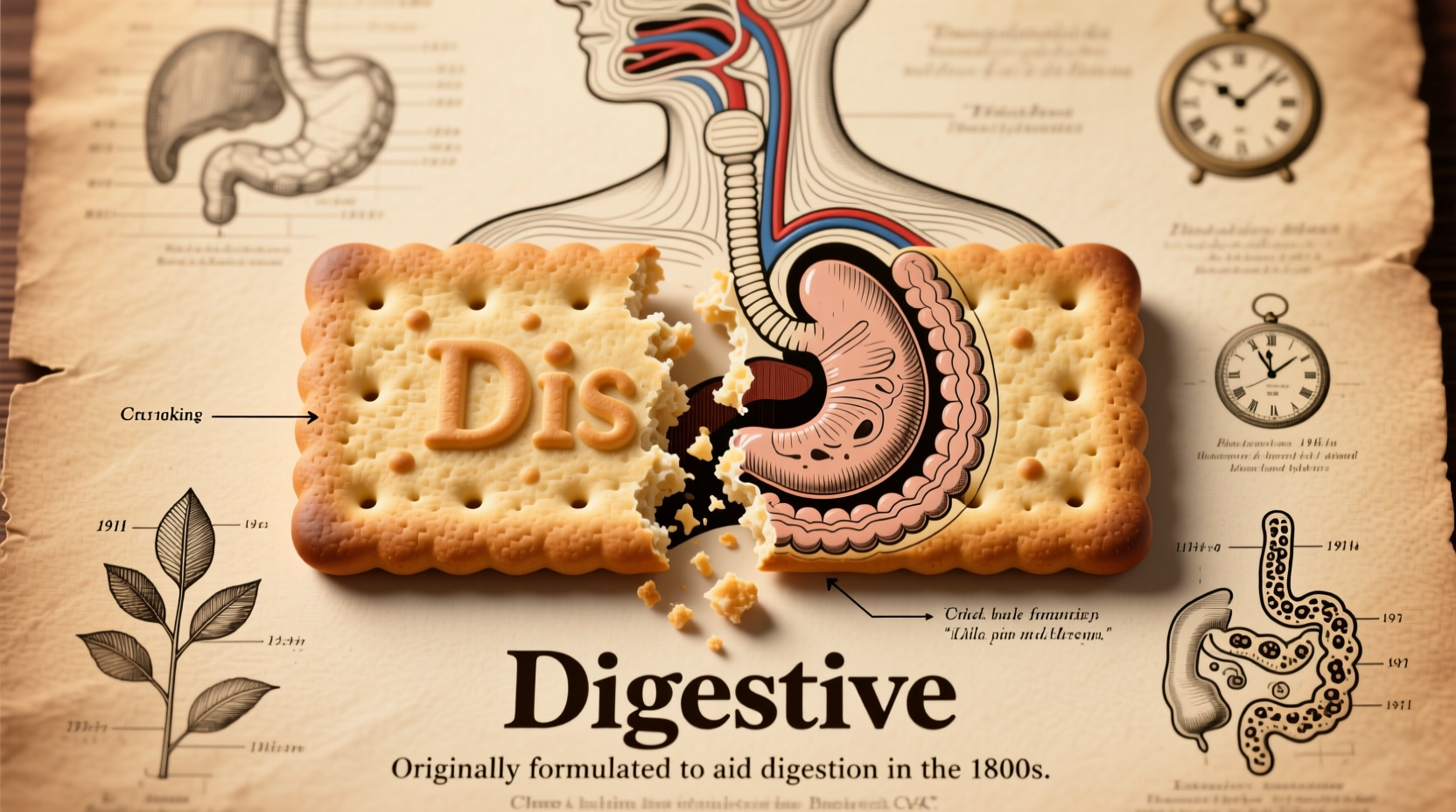
The digestive biscuit was first developed in the mid-1800s by two Scottish doctors, Alexander Grant and James Christie. At the time, there was growing concern about indigestion, particularly among the middle and upper classes who consumed rich, refined diets heavy in white bread and pastries. Indigestion—then often referred to as “dyspepsia”—was considered a common ailment, even a sign of civilizational excess.
In response, dietary reformers began promoting whole grains and coarser foods believed to aid digestion. It was in this context that Dr. John Bennet and Dr. Thomas Allinson (a pioneer of wholemeal bread) advocated for foods containing whole wheat flour, which retained the bran and germ. These components were thought to stimulate gastric activity and promote bowel regularity.
The original digestive biscuit, created around 1839 and later commercialized by McVitie’s in 1892, was formulated using wholemeal flour, molasses, and sodium bicarbonate. The inclusion of baking soda (bicarbonate of soda) was not just for leavening—it was believed to have antacid properties that could neutralize stomach acid and ease digestion. This combination gave the biscuit a slightly alkaline quality, setting it apart from typical sweet treats.
“Foods that promote gastric secretion and intestinal movement were seen as preventative medicine. The digestive biscuit was designed not just to feed, but to heal.” — Dr. Helen Leach, Food Historian, University of Otago
How Science Shaped a Snack
The name “digestive” wasn’t arbitrary; it reflected genuine physiological theories of the time. In the 19th century, digestion was understood through the lens of chemistry. Scientists like Justus von Liebig had begun analyzing food composition, and the idea that certain ingredients could influence digestive processes gained traction.
Sodium bicarbonate, a key ingredient in digestives, reacts with stomach acid to produce carbon dioxide and water, temporarily reducing acidity. While modern medicine recognizes this effect as mild and short-lived, Victorians interpreted it as a therapeutic benefit. Combined with the fiber-rich wholemeal flour, the biscuit was positioned as a food that could “assist” digestion—hence the name.
It’s important to note that these biscuits weren’t marketed as cure-alls, but rather as part of a balanced, health-conscious diet. Advertisements from the early 20th century often emphasized purity, wholesomeness, and suitability for children and invalids. The packaging sometimes included nutritional analyses, reinforcing the scientific image.
Tip: When reading vintage recipes or labels, look for terms like “wholesome,” “pure,” or “easily digested”—these were code for health-oriented products in the pre-modern nutrition era.Modern Digestives: Health Claim or Historical Echo?
Today’s digestive biscuits bear only partial resemblance to their original counterparts. Most commercial versions still use wholemeal flour, but the amount varies, and many include refined flour, sugar, vegetable oils, and preservatives. The fiber content is modest—typically around 2–3 grams per biscuit—and while better than some ultra-processed snacks, they’re far from a high-fiber powerhouse.
As for the promised digestive benefits: modern gastroenterology does not support the idea that eating a digestive biscuit aids digestion in any meaningful way. Fiber helps regulate bowel movements, and alkaline foods may slightly affect stomach pH, but the effect of a single biscuit is negligible. In fact, the sugar and fat content might even slow digestion rather than speed it up.
So why keep the name? Tradition and branding. By the 20th century, “digestive” had become synonymous with a specific type of biscuit—golden-brown, slightly crumbly, mildly sweet. Changing the name would risk consumer confusion. The term evolved from a functional descriptor into a product category, much like “corn flakes” no longer imply a remedy for constipation, despite their origins in breakfast health reforms.
Digestive Biscuit Evolution: Then vs Now
| Feature | Original (1890s) | Modern Commercial Version |
|---|---|---|
| Flour Type | 100% wholemeal | Mixed (wholemeal + refined wheat flour) |
| Sweetener | Molasses (low glycemic) | Refined sugar or glucose syrup |
| Fat Source | Butter or lard | Palm oil or vegetable shortening |
| Fiber Content | ~4g per biscuit | ~1.5–2.5g per biscuit |
| Health Claim | Actively promoted for digestion | Implied tradition, not medical benefit |
A Mini Case Study: The School Lunchbox Legacy
In many British households, sending a child to school with a packet of digestives was standard practice throughout the 20th century. Sarah Mitchell, now 67, recalls packing her son’s lunch in the 1980s: “I always put in two digestives. Not chocolate fingers or crisps. My mum told me they were ‘good for his tummy’—and I never questioned it. They were sturdy, not messy, and felt wholesome.”
This anecdote reflects how the biscuit’s reputation outlived its medicinal justification. Even without understanding the original science, generations associated digestives with moderation, simplicity, and gentle nourishment. That perception helped cement its place in everyday culture—even as actual dietary knowledge advanced.
How to Choose a Truly Wholesome Digestive Today
If you're drawn to the original promise of the digestive biscuit—fiber, minimal processing, and digestive support—you’ll need to read labels carefully. Not all digestives are created equal. Here’s a checklist to help you make a more informed choice:
- Check the flour: Look for “wholewheat flour” listed first. Avoid versions where “wheat flour” appears before wholemeal.
- Limit added sugars: Ideally, sugar should not be in the top three ingredients.
- Avoid hydrogenated oils: These can contain trans fats, which harm heart health.
- Consider fiber content: Aim for at least 3g of fiber per 100g.
- Try homemade versions: Baking your own allows control over ingredients and eliminates preservatives.
FAQ: Common Questions About Digestive Biscuits
Are digestive biscuits actually good for digestion?
Not significantly. While they contain some fiber from wholemeal flour, the amount is modest, and the sugar and fat content can offset potential benefits. They do not possess special digestive enzymes or proven gut-health properties.
Can diabetics eat digestive biscuits?
Cautiously. Despite their “healthy” image, digestives have a moderate to high glycemic index due to refined carbohydrates and sugar. Diabetics should consume them in small portions and preferably with protein or fiber-rich foods to blunt blood sugar spikes.
Why do some people feel better after eating a digestive biscuit?
This may be due to placebo effect or the calming ritual of having a warm drink and a snack. The slight alkalinity from baking soda might offer temporary relief from mild acidity, but it’s not a substitute for medical treatment.
Conclusion: A Name Rooted in History, Not Science
The digestive biscuit’s name is a relic of a time when food and medicine were closely intertwined. What began as a well-intentioned attempt to create a health-promoting staple has evolved into a cultural icon—one whose name outlasted its original purpose. Today, the word “digestive” evokes nostalgia, simplicity, and a sense of moderation rather than any real physiological function.
Understanding the story behind the name doesn’t diminish the biscuit’s charm—it enriches it. Whether you enjoy it with a cup of tea, crumbled over fruit, or as the foundation of a no-bake dessert, knowing its history adds depth to every bite.
💬 What’s your favorite way to enjoy a digestive biscuit? Share your traditions, recipes, or memories in the comments—let’s celebrate this iconic treat together.








