
The Sphynx cat, with its wrinkled skin, large ears, and warm, velvety texture, is one of the most visually striking feline breeds in the world. At first glance, many assume these cats are completely bald, but they actually have a fine layer of downy fuzz. Their hairlessness is not the result of selective grooming or environmental adaptation—it’s the product of a naturally occurring genetic mutation that has been carefully preserved through breeding. Understanding this mutation goes beyond curiosity; it reveals important insights into feline genetics, responsible breeding practices, and the specialized care these cats require.
The Genetic Origin of Hairlessness
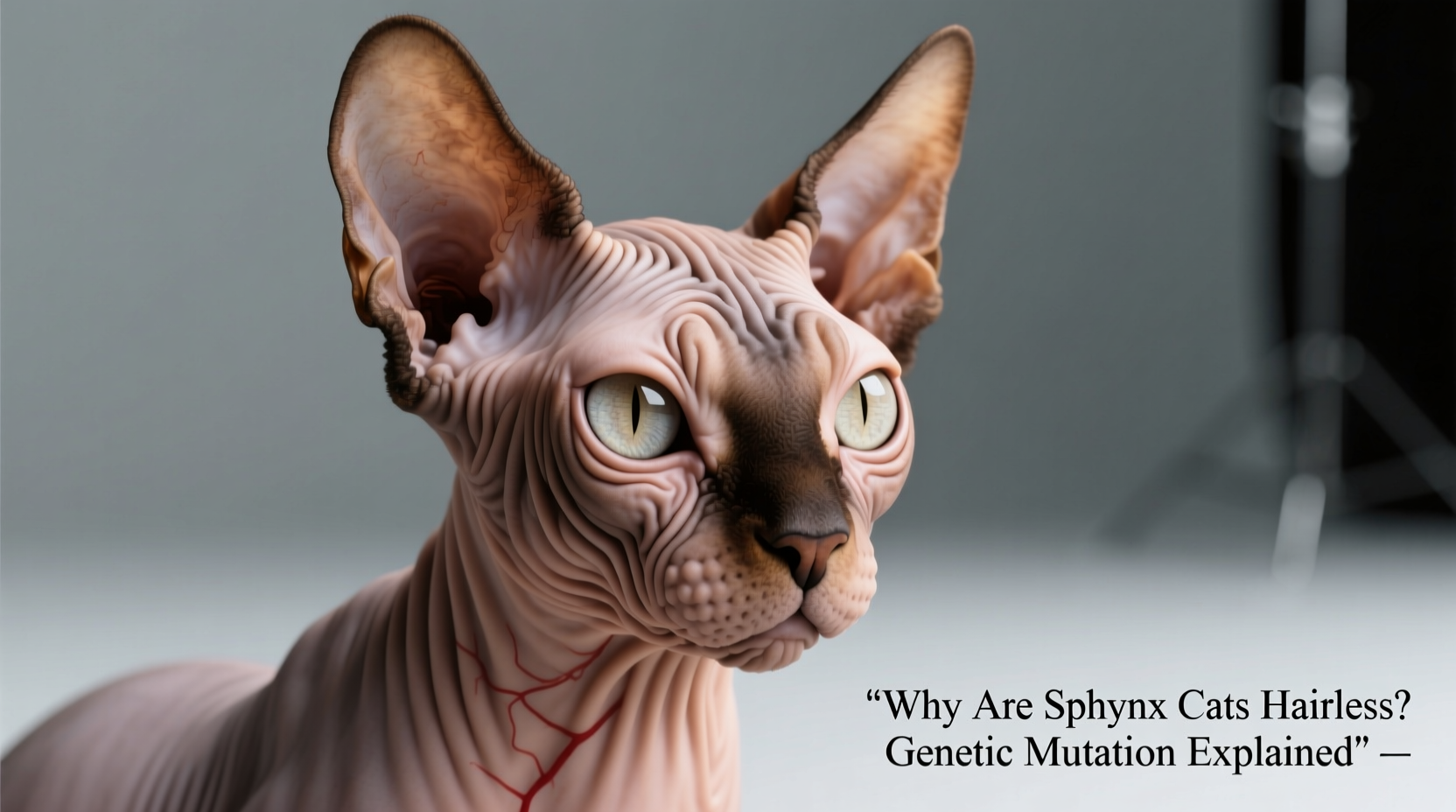
The hairless trait in Sphynx cats stems from a recessive mutation in the KRT71 gene, which plays a critical role in keratin formation—proteins essential for hair structure. This specific mutation disrupts the normal development of the hair shaft, resulting in either extremely short, sparse hairs or no visible coat at all. Unlike some myths suggest, Sphynx cats are not “burned” or “shaved”; their condition is entirely genetic and present from birth.
This mutation first appeared spontaneously in domestic shorthair cats in the 1960s. The earliest known case occurred in Toronto, Canada, when a litter of kittens was born with little to no fur. Breeders recognized the uniqueness of the trait and began selectively breeding these cats to stabilize the gene line. Over time, outcrossing with other breeds such as the Devon Rex helped strengthen genetic diversity while preserving the hairless phenotype.
“Hairlessness in the Sphynx is a classic example of how a single gene mutation can create a breed-defining characteristic. It's both fascinating and a reminder of the responsibility breeders hold.” — Dr. Lena Torres, Feline Geneticist, University of Guelph
How the Mutation Works: A Closer Look
The mutated KRT71 gene affects the structure of the hair follicle, causing the hair to break off shortly after emerging from the skin or never fully develop. As a result, Sphynx kittens may be born with a faint peach-fuzz coating that often disappears within weeks. What remains is exposed skin that feels warm and soft—often compared to chamois or suede.
It’s important to note that not all hairless cats are Sphynx. Other breeds, like the Donskoy and Peterbald, exhibit hairlessness due to different genetic mutations. The Donskoy, for instance, carries a dominant gene, meaning only one parent needs the trait to pass it on. In contrast, the Sphynx requires two copies of the recessive gene—one from each parent—for the hairless trait to manifest.
Tip: If you're considering adopting a Sphynx, ask breeders about genetic testing. Responsible breeders test for hereditary conditions and ensure diverse lineage to reduce health risks.Care Implications of Hairlessness
While the Sphynx’s lack of fur gives them a distinctive look, it also creates unique care demands. Without a protective coat, their skin is directly exposed to environmental factors, making them more vulnerable than furry cats.
- Sun sensitivity: Sphynx cats can sunburn easily. They should not be exposed to direct sunlight for prolonged periods.
- Oil buildup: Their skin produces the same amount of oil as furry cats, but without hair to absorb it, oils accumulate. Weekly bathing is typically necessary to prevent greasiness and clogged pores.
- Temperature regulation: Hair provides insulation. Sphynx cats lose body heat faster and often seek warmth—on laps, under blankets, or near heaters.
- Skin infections: Poor hygiene can lead to fungal or bacterial skin issues, especially in skin folds around the face and legs.
Nutritional Needs and Skin Health
A balanced diet rich in omega-3 and omega-6 fatty acids supports healthy skin function. Supplements may be recommended by veterinarians, particularly if dryness or flakiness develops. Hydration is equally important, as dehydrated skin can become irritated or prone to cracking.
Breeding Ethics and Genetic Diversity
Because the hairless trait is recessive, breeding two carriers (even if they appear furry) can produce hairless offspring. However, repeated inbreeding to maintain the trait has led to concerns about reduced genetic diversity. Some lines show increased susceptibility to hypertrophic cardiomyopathy (HCM), a common heart condition in cats.
Responsible breeders use outcrossing programs—introducing unrelated breeds like the Domestic Shorthair or Devon Rex—to maintain robust gene pools. DNA screening for HCM and other inherited conditions is now considered standard practice among reputable catteries.
| Breed | Gene Type | Inheritance Pattern | Coat Texture |
|---|---|---|---|
| Sphynx | KRT71 mutation | Recessive | No visible coat; fine down |
| Donskoy | Follicular dystrophy gene | Dominant | Hair loss progresses with age |
| Peterbald | Unknown (likely different locus) | Dominant | Varies: bald, brush, velour |
Real-Life Example: Managing a Sphynx in a Cold Climate
Consider Sarah, a pet owner in Minnesota, who adopted a Sphynx kitten named Apollo. During winter, she noticed Apollo shivering despite the indoor heating. After consulting her vet, she learned that Sphynx cats can struggle to maintain core temperature in cold environments. She introduced heated cat beds, soft fleece blankets, and even tiny thermal cat sweaters during extreme weather. She also adjusted her cleaning routine, bathing Apollo every 5–7 days to manage oil buildup exacerbated by indoor heating drying his skin.
Within weeks, Apollo became more active and comfortable. This case illustrates how understanding the genetic basis of hairlessness translates directly into practical, life-enhancing care decisions.
Common Misconceptions About Sphynx Cats
Despite their popularity, several myths persist:
- Myth: Sphynx cats are hypoallergenic.
Truth: No cat is truly hypoallergenic. Allergies are triggered by proteins in saliva and dander, not fur. While some people react less to Sphynx cats due to less trapped allergens, reactions still occur. - Myth: They don’t need grooming.
Truth: They require more frequent grooming than most cats, including regular ear cleaning, skin wiping, and bathing. - Myth: They’re always warm to touch because they run hotter.
Truth: Their body temperature is normal (~101–102°F). They feel warm because skin contacts air directly, unlike under fur.
FAQ
Do Sphynx cats ever grow hair?
Some Sphynx cats develop a light fuzz as they age, especially in cooler climates, but this is minimal and not a true coat. Seasonal changes can influence skin texture, but full fur growth does not occur.
Are all hairless cats Sphynx?
No. Other breeds like the Donskoy, Peterbald, and Ukrainian Levkoy are also hairless but stem from different genetic mutations and geographic origins.
Can I keep a Sphynx outdoors?
It is strongly discouraged. Without fur, they lack protection from UV rays, temperature extremes, insects, and injuries. Sphynx cats should be kept strictly indoors.
Action Checklist for Sphynx Cat Owners
- ✅ Bathe your Sphynx every 1–2 weeks using a gentle, pH-balanced cat shampoo.
- ✅ Wipe facial folds and ears weekly to prevent debris buildup.
- ✅ Provide warm sleeping areas—consider heated pads or cozy beds.
- ✅ Use sunscreen formulated for cats if near sunny windows for long periods.
- ✅ Schedule annual cardiac screenings to monitor for HCM.
- ✅ Feed a high-quality diet with added fatty acids for skin support.
Conclusion
The Sphynx cat’s hairlessness is more than a quirky aesthetic—it’s a living example of how a single genetic mutation can shape a species’ appearance and lifestyle needs. From their origins in a spontaneous litter to their status as beloved companions worldwide, Sphynx cats challenge our assumptions about feline care and beauty. Their vulnerability to temperature, sunlight, and skin conditions underscores the importance of informed ownership.
Whether you're drawn to their alien-like charm or their affectionate personalities, owning a Sphynx is a commitment to attentive, proactive care. By understanding the science behind their looks, you’re better equipped to provide a safe, healthy, and loving environment.
💬 Have experience with Sphynx cats or questions about their care? Share your story or ask in the comments—your insights could help future owners make informed choices.








