
Cats are often seen as silent companions, but anyone who’s lived with a talkative feline knows they can be surprisingly expressive. From soft chirps to insistent yowls, meowing is one of the primary ways cats communicate with humans. While all cats meow to some extent, certain individuals seem to have an endless commentary on life. Understanding why some cats are more vocal than others involves a mix of biology, breed tendencies, environment, and emotional needs. This article explores the key reasons behind excessive meowing and what it reveals about your cat’s inner world.
Breed Traits and Genetic Predisposition
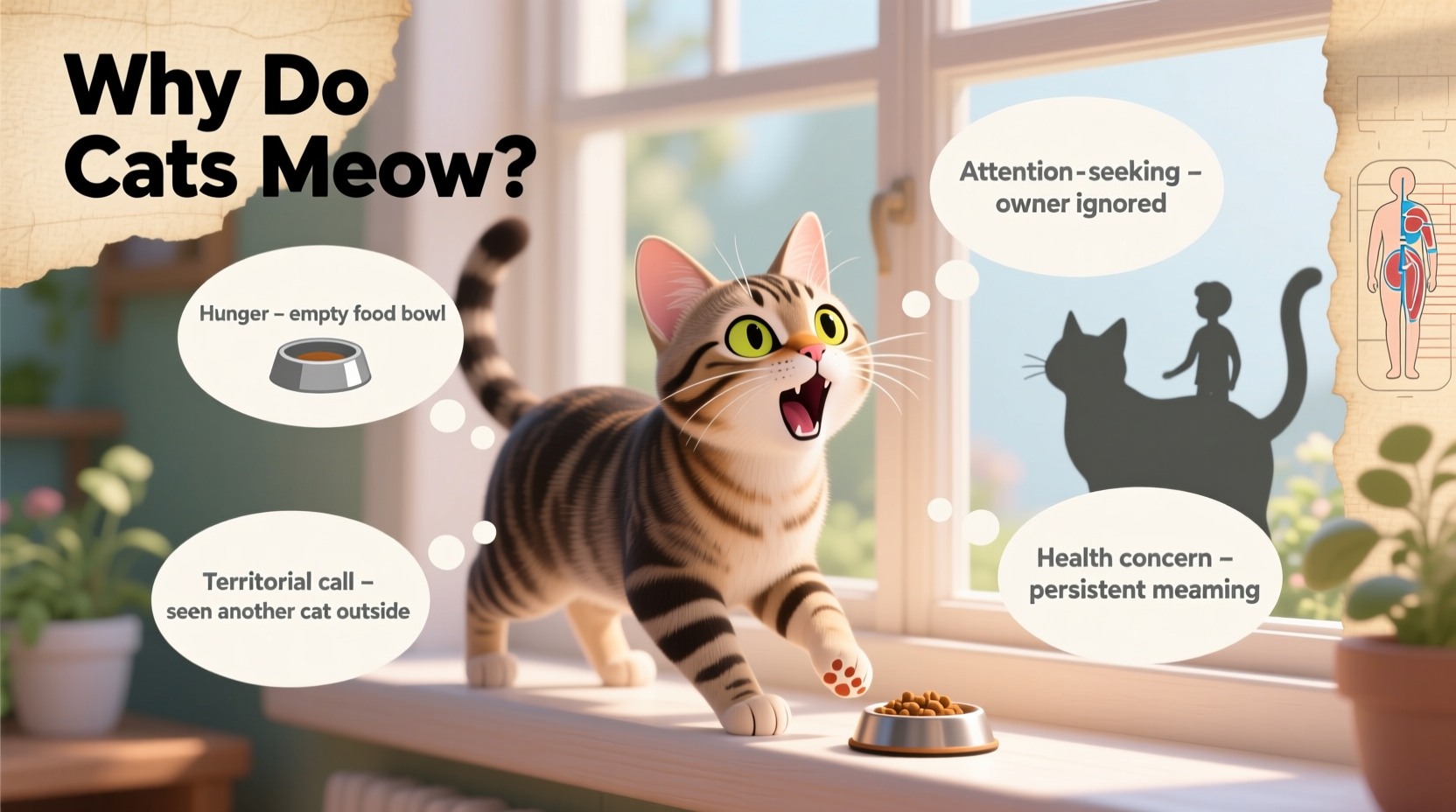
One of the most significant factors influencing a cat’s vocalization level is genetics. Certain breeds are naturally more talkative due to selective breeding and inherited behavioral traits. These cats use vocalizations not just to demand food or attention, but as part of their social interaction repertoire.
For example, Siamese cats are legendary for their loud, persistent meows that resemble human speech. They are highly social and intelligent, using vocalization to engage with their owners constantly. Other notably vocal breeds include:
- Oriental Shorthair – closely related to the Siamese, known for high-pitched, frequent calls.
- Turkish Van – affectionate and communicative, often “talking” throughout the day.
- Maine Coon – while not as loud as Siamese, many exhibit soft chirps and trills when excited.
- Abyssinian – active and curious, prone to vocalizing when seeking interaction.
In contrast, breeds like the British Shorthair or Russian Blue tend to be more reserved and less likely to meow frequently. Their communication style leans toward body language rather than sound.
Tip: If you're considering adopting a cat, research breed-specific traits—especially vocal tendencies—to ensure compatibility with your lifestyle.Communication with Humans
Interestingly, adult cats rarely meow at each other. Meowing evolved primarily as a method of communicating with people. Kittens meow to signal hunger or distress to their mothers, but as they mature, this behavior diminishes in cat-to-cat interactions. With humans, however, meowing persists because it works.
Cats quickly learn that specific sounds elicit responses—food appears after a series of short meows, the door opens when they yowl by it, or attention comes when they chirp from another room. Over time, they refine their vocalizations to match desired outcomes, effectively developing a personalized “language” for their caregivers.
This learned behavior explains why some cats become more vocal in homes where owners respond consistently. A cat that receives immediate attention when meowing will continue—and often escalate—the behavior.
“Cats are masters of operant conditioning. When a meow gets results, they’re far more likely to repeat it.” — Dr. Sarah Bennett, Feline Behavior Specialist
Emotional and Environmental Triggers
Vocalization isn’t always about getting something tangible. Emotional states play a major role in how much a cat meows. Anxiety, excitement, loneliness, or even cognitive decline in older cats can lead to increased vocal activity.
Common emotional triggers include:
- Loneliness – cats left alone for long periods may meow out of boredom or separation distress.
- Stress – changes in routine, new pets, or home renovations can cause anxious vocalizations.
- Excitement – some cats chirp or trill when they see birds or anticipate playtime.
- Fear – sudden loud noises or unfamiliar visitors may prompt defensive yowling.
Older cats, particularly those with feline cognitive dysfunction (similar to dementia in humans), often meow excessively at night. These nocturnal calls may stem from confusion, disorientation, or disrupted sleep cycles.
Mini Case Study: Bella the Nighttime Vocalizer
Bella, a 14-year-old domestic shorthair, began yowling loudly between 2 a.m. and 4 a.m. Her owner initially assumed she wanted food, but adjusting feeding times didn’t help. After a veterinary visit, Bella was diagnosed with mild cognitive dysfunction. Her nighttime meowing decreased significantly after introducing a consistent evening routine, nightlights in key rooms, and a pheromone diffuser. The case highlights how underlying health issues can manifest as behavioral changes like excessive vocalization.
Health-Related Causes of Excessive Meowing
Persistent or sudden changes in vocal behavior should never be ignored. While some cats are naturally chatty, a noticeable increase in meowing—especially if accompanied by other symptoms—can signal medical problems.
Potential health issues linked to excessive meowing include:
| Condition | Symptoms | Action |
|---|---|---|
| Hypertension | Restlessness, vocalizing at night, dilated pupils | Veterinary exam with blood pressure check |
| Hyperthyroidism | Weight loss, increased appetite, restlessness | Blood test for thyroid levels |
| Dental pain | Drooling, difficulty eating, pawing at mouth | Dental evaluation under anesthesia |
| Urinary tract infection | Frequent trips to litter box, crying while urinating | Urine analysis and antibiotics |
| Cognitive decline | Night pacing, confusion, soiling outside box | Senior wellness screening |
If your usually quiet cat suddenly becomes vocal—or if vocalizations sound distressed—it’s essential to consult a veterinarian. Early diagnosis can improve quality of life and prevent complications.
How to Respond to Excessive Meowing: A Step-by-Step Guide
Managing a vocal cat requires patience and consistency. Reacting inconsistently—sometimes rewarding meows with attention, other times ignoring them—confuses the cat and reinforces the behavior. Follow these steps to address excessive meowing effectively:
- Rule out medical causes – Schedule a vet checkup to eliminate pain, illness, or age-related conditions.
- Observe patterns – Note when, where, and how your cat meows. Is it before meals? At night? When alone?
- Meet underlying needs – Ensure access to food, water, clean litter, mental stimulation, and safe spaces.
- Avoid reinforcing unwanted meows – Do not give attention, treats, or open doors while the cat is vocalizing.
- Reinforce quiet behavior – Reward moments of silence with praise or treats to encourage calmness.
- Provide enrichment – Use puzzle feeders, window perches, and interactive toys to reduce boredom.
- Establish routines – Predictable schedules for feeding, play, and bedtime reduce anxiety-driven vocalizations.
Checklist: Managing Your Cat’s Vocalization
- ✅ Schedule a veterinary exam to rule out health issues
- ✅ Track meowing patterns (time, duration, triggers)
- ✅ Maintain a consistent daily routine
- ✅ Provide mental and physical enrichment
- ✅ Avoid reinforcing meows with attention or rewards
- ✅ Use positive reinforcement for quiet behavior
- ✅ Consider calming aids (pheromone diffusers, background music)
FAQ
Why does my cat meow at night?
Nighttime meowing can stem from several causes, including loneliness, hunger, age-related cognitive decline, or natural crepuscular instincts (cats are most active at dawn and dusk). Ensuring your cat has a stimulating evening routine and addressing any medical concerns can help reduce nocturnal vocalizations.
Do female cats meow more than males?
Not necessarily. However, unspayed females may become extremely vocal during heat cycles, producing loud, persistent cries to attract mates. Neutered males and spayed females typically show no significant gender-based difference in meowing frequency.
Can I train my cat to be less vocal?
Yes, but not by suppressing natural communication. You can shape behavior through consistency—ignoring attention-seeking meows and rewarding quiet moments. Training takes time and should never involve punishment, which damages trust.
Conclusion
Cat vocalizations are far more than random noise—they are meaningful expressions shaped by genetics, environment, emotion, and health. Some cats are simply born chatterboxes, while others develop vocal habits in response to their surroundings or unmet needs. By understanding the root causes of meowing, you can foster better communication, strengthen your bond, and ensure your cat’s well-being.
💬 Have a talkative cat? Share your experiences or tips in the comments below—your insights could help fellow cat lovers navigate the joys (and challenges) of living with a vocal feline!








