Pugs have long been cherished for their expressive eyes, wrinkled faces, and undeniable charm. But among their most notable traits—perhaps just as iconic as their snorts and snores—is their intense attachment to their owners. Many pug owners describe their pets as “velcro dogs,” always glued to their side, following them from room to room, and seeming lost when out of sight. This clinginess isn’t just a quirk—it’s deeply rooted in the breed’s history, temperament, and emotional needs. Understanding why pugs behave this way is key to nurturing a healthy, balanced relationship with your companion.
The Origins of Pug Loyalty
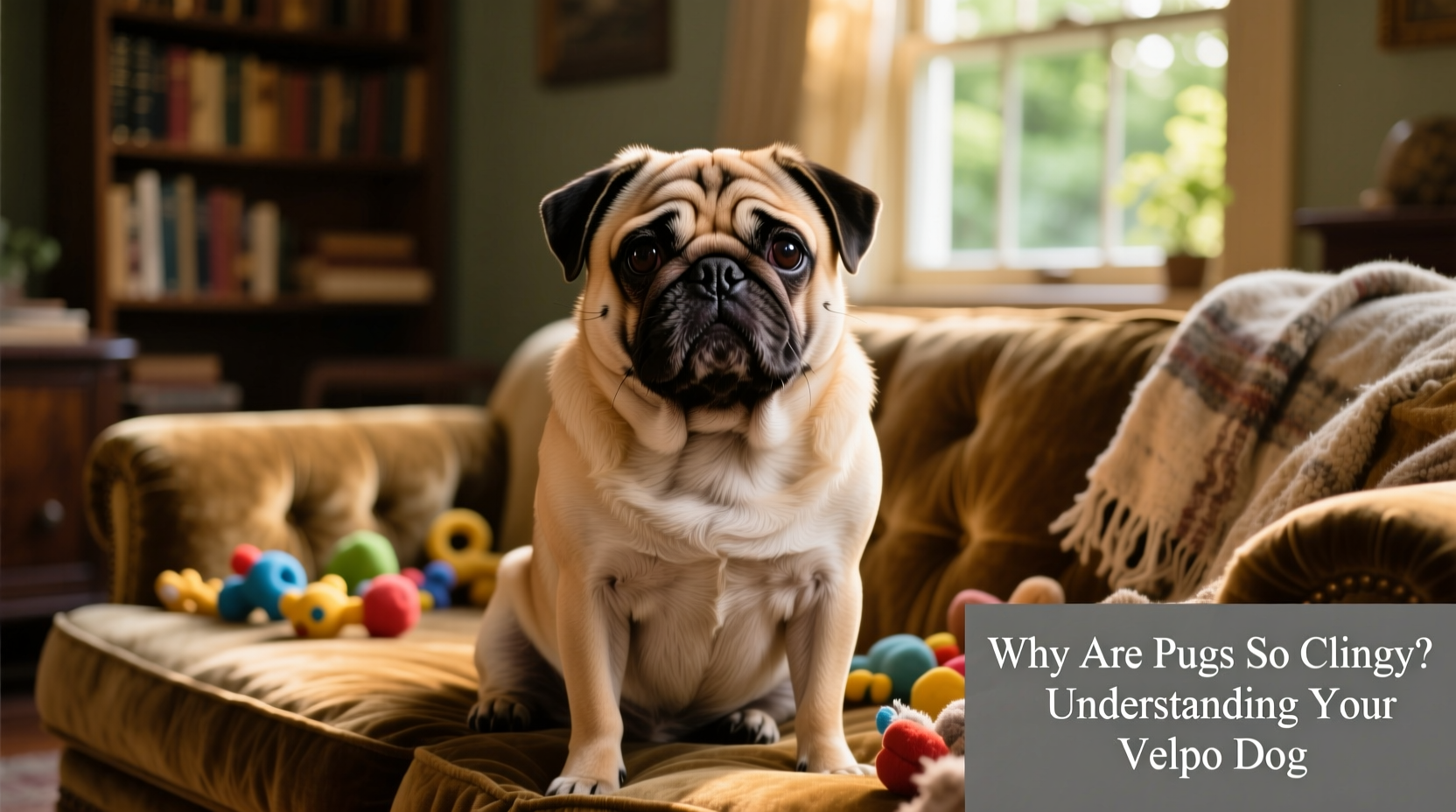
Pugs were originally bred in ancient China as companions for royalty. Unlike working or herding breeds developed for function, pugs were selectively bred for one primary purpose: to provide affection and comfort. Their entire existence revolved around human interaction. Emperors and empresses kept them close, often sleeping beside them or carrying them in the sleeves of their robes. This centuries-long legacy of being pampered indoor companions has hardwired pugs to seek closeness and attention.
Modern pugs retain these ingrained tendencies. They thrive on physical proximity and emotional connection. When a pug follows you into the bathroom or whines when you leave the room, it’s not manipulation—it’s an instinctual response shaped by generations of selective breeding. They don’t just enjoy your company; they feel safest when they’re near you.
Why \"Velcro Dog\" Behavior Makes Sense
The term “velcro dog” describes canines that stick to their owners like adhesive. Pugs are textbook examples. This behavior stems from a combination of factors:
- Social dependency: Pugs lack the independence seen in some breeds. They do not cope well with solitude and often experience anxiety when separated.
- Low tolerance for boredom: Without stimulation or companionship, pugs may become distressed, leading them to shadow their owners for engagement.
- Desire for reassurance: Their expressive faces and pleading eyes aren’t just for show—they reflect a deep need for emotional feedback and validation.
“Pugs are emotionally intelligent dogs. Their clinginess often reflects their sensitivity to their owner’s mood and routine.” — Dr. Lena Peterson, Canine Behavior Specialist
Breed Traits That Fuel Attachment
Several inherent characteristics make pugs more prone to clingy behavior than other breeds:
| Trait | Impact on Clinginess |
|---|---|
| High sociability | Pugs actively seek human interaction and dislike being alone. |
| Low prey drive | They’re less interested in chasing wildlife and more focused on people. |
| Short coat & low cold tolerance | Prefer staying indoors where their owners are, increasing proximity. |
| Brachycephalic anatomy | Limited stamina means they’re less likely to wander far or explore independently. |
| Food motivation | Often follow owners hoping for treats, reinforcing constant presence. |
This table illustrates how even physical attributes contribute to the pug’s tendency to remain close. Their dependence isn’t laziness—it’s a convergence of genetics, physiology, and emotional wiring.
Tip: If your pug shadows you constantly, try placing their bed near your workspace. It satisfies their need for closeness without demanding constant interaction.When Clinginess Becomes a Problem
While moderate attachment is normal—and even endearing—excessive clinginess can signal underlying issues. Separation anxiety is common in pugs and may manifest through destructive chewing, excessive barking, or house soiling when left alone. These behaviors aren’t defiance; they’re signs of distress.
In one case, a pug named Milo would pace nonstop whenever his owner entered the kitchen, even if the door remained open. The behavior escalated to crying fits when she sat at the dining table. A veterinary behaviorist determined that Milo had developed hyper-attachment due to inconsistent routines during remote work months. With structured training and gradual desensitization, Milo learned to stay calmly in his own space while still feeling secure.
Step-by-Step: Reducing Over-Attachment
If your pug’s clinginess interferes with daily life, consider this gradual approach:
- Create a safe zone: Designate a comfortable area with their bed, toys, and a piece of your clothing.
- Practice short absences: Leave the room for 30 seconds, then return. Gradually increase duration over days.
- Use positive reinforcement: Reward calm behavior with treats only when they’re relaxed in their space.
- Introduce distraction tools: Puzzle feeders or chew toys can redirect focus during alone time.
- Maintain consistency: Follow the same routine daily to build predictability and trust.
The goal isn’t to discourage bonding but to foster confidence. A secure pug feels safe whether you’re present or not.
Healthy Ways to Nurture Your Pug’s Need for Closeness
Instead of resisting your pug’s attachment, channel it positively. Bonding strengthens trust and reduces anxiety. Simple daily habits can meet their emotional needs without enabling dependency.
- Spend 10–15 minutes of focused playtime each day—no distractions, just interaction.
- Incorporate your pug into household routines, like sitting nearby while you cook or read.
- Use touch-based calming techniques, such as gentle massage or brushing, to reinforce security.
- Train basic commands in short sessions to build mental engagement and mutual respect.
“Affectionate breeds like pugs benefit from structured bonding. It gives them clarity and emotional stability.” — James Holloway, Certified Dog Trainer
Checklist: Supporting a Clingy Pug
✅ Daily Support Checklist for Pug Owners:- Provide a consistent daily routine (feeding, walks, rest).
- Designate a cozy, quiet space for independent downtime.
- Engage in interactive play or training for at least 15 minutes.
- Avoid reinforcing anxious behavior (e.g., comforting whining).
- Monitor for signs of stress: panting, trembling, or refusal to eat.
- Consult a vet or behaviorist if clinginess turns into panic.
Frequently Asked Questions
Are all pugs clingy?
Most pugs display some level of attachment due to breed tendencies, but the degree varies. Early socialization, environment, and individual personality influence how clingy a pug becomes. Some adapt well to alone time, while others require more support.
Can I train my pug to be less dependent?
Yes, with patience and consistency. Training should focus on building confidence, not suppressing natural affection. Techniques like crate training, independence exercises, and scheduled alone-time practice help reduce over-reliance.
Is clinginess a sign of poor breeding?
Not necessarily. While responsible breeding promotes stable temperaments, clinginess in pugs is more often a result of their genetic makeup and upbringing than poor breeding practices. However, extreme anxiety may indicate inadequate early socialization.
Conclusion: Embracing the Velcro Nature
Understanding why pugs are so clingy transforms frustration into empathy. Their devotion isn’t neediness—it’s loyalty expressed in the purest form. These dogs evolved to be by our side, and their desire for closeness is a testament to the depth of their companionship. Rather than viewing their attachment as a flaw, recognize it as a gift—one that asks for patience, structure, and love in return.
By meeting your pug’s emotional needs while gently encouraging self-confidence, you create a balanced relationship built on trust. They’ll still follow you from room to room, but with less anxiety and more joy. And when they curl up at your feet after a long day, you’ll know you’ve given them exactly what they’ve always needed: a place where they belong.
💬 Do you have a velcro pug? Share your story or tips in the comments—your experience could help another owner feel less alone.








