
The skin beneath the eyes is among the thinnest on the body—only about 0.5 millimeters thick—and highly sensitive to internal and external changes. When this area appears darker than the surrounding skin, it can make you look tired, stressed, or older than you feel. While occasional puffiness or mild discoloration is normal, persistent dark circles often signal underlying factors ranging from genetics to lifestyle habits. Understanding what’s truly causing your dark under-eye circles is the first step toward effective treatment.
Anatomy of the Under-Eye Area
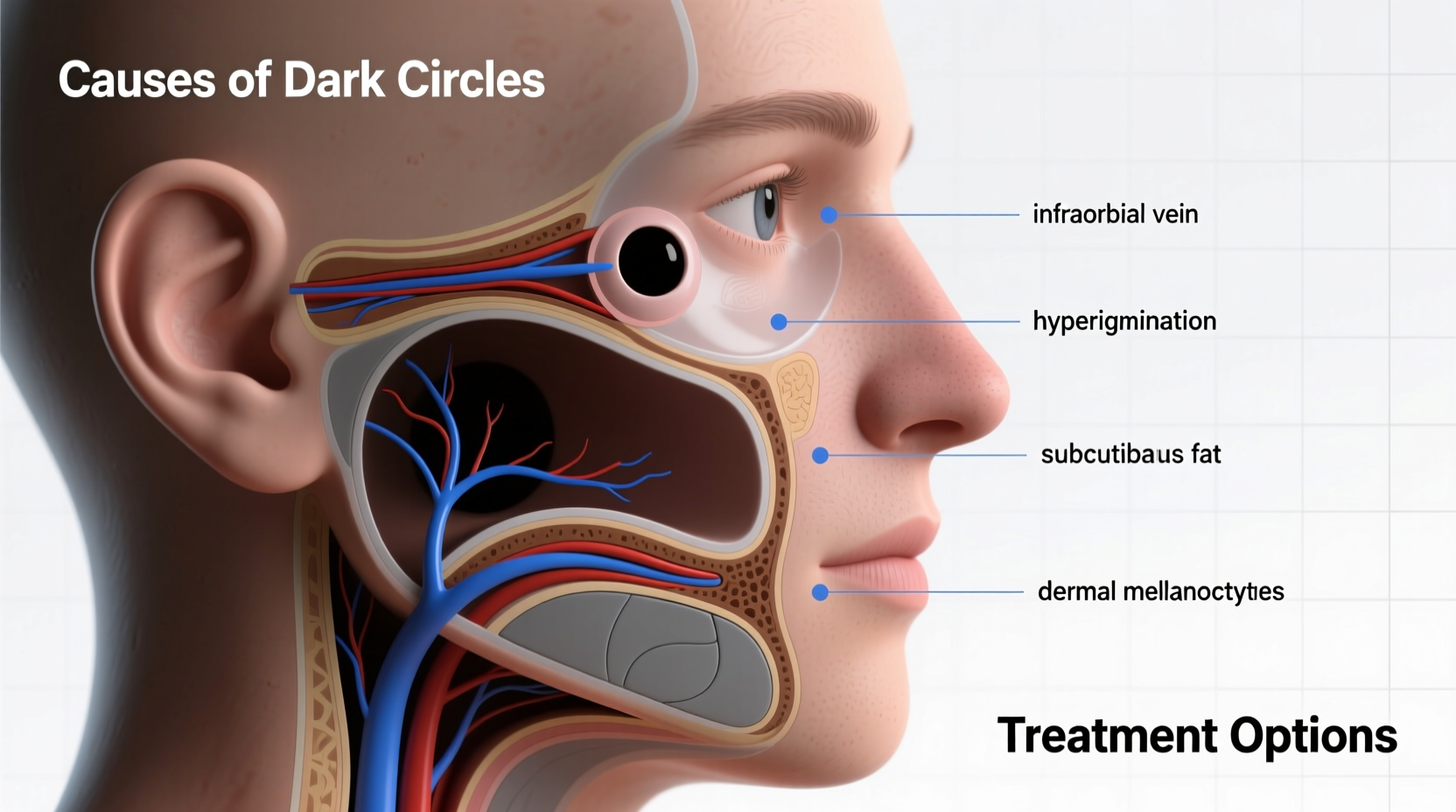
The delicate periorbital region lacks significant fat and oil glands, making it prone to visible blood vessels, fluid retention, and pigmentation changes. The translucency of this skin allows the deep vascular network beneath to show through more clearly, especially when circulation slows or veins dilate. This natural transparency means even minor shifts in health or routine can manifest as shadows or discoloration.
Beyond vascular visibility, two other primary mechanisms contribute to darkness: hyperpigmentation (excess melanin production) and structural shadowing caused by volume loss or sagging skin. Each has distinct causes and requires different approaches for correction.
Tip: Use your ring finger when applying eye products—it applies the least pressure and minimizes tugging on fragile skin.Common Causes of Dark Under Eyes
Dark circles rarely stem from a single factor. More often, they result from a combination of biological, environmental, and behavioral influences.
- Genetics: Some individuals inherit thinner skin or increased melanin concentration around the eyes, predisposing them to chronic dark circles regardless of lifestyle.
- Age-related volume loss: As we age, fat pads beneath the eyes diminish or shift downward, creating hollows that cast shadows.
- Poor sleep: Chronic sleep deprivation increases blood pooling and dilates vessels under the eyes, intensifying their bluish tint.
- Allergies and nasal congestion: These conditions restrict venous drainage from the eyes, leading to chronic dilation of suborbital veins—a condition sometimes called “allergic shiners.”
- Dehydration: Low fluid intake makes skin appear duller and more translucent, accentuating underlying vasculature.
- UV exposure: Sun damage stimulates melanocytes, increasing pigment production in the lower eyelid area.
- Eye strain: Prolonged screen time can cause micro-inflammation and constrict blood flow, contributing to fatigue-related discoloration.
“Up to 70% of patients with persistent dark circles have an underlying allergic component affecting venous return,” says Dr. Lena Patel, board-certified dermatologist at Pacific Skin Institute.
Evidence-Based Treatment Options
Effective treatment depends on accurately identifying the root cause. A one-size-fits-all approach often fails because strategies that work for vascular darkness may worsen pigmentation-related cases.
Treatment by Cause Type
| Cause Type | Recommended Treatments | Avoid |
|---|---|---|
| Vascular (bluish tint) | Cold compresses, caffeine serums, allergy management, improved sleep | Hot towels, excessive rubbing |
| Pigmentary (brownish tint) | Vitamin C, kojic acid, retinoids, sun protection | Harsh scrubs, fragranced products |
| Structural (shadowing from hollows) | Hyaluronic acid fillers, skincare with plumping peptides | Overuse of drying agents |
At-Home Remedies That Work
Not all solutions require a dermatologist visit. Several accessible methods can produce noticeable improvements over time:
- Cucumber slices: Contain antioxidants and mild tannins that reduce swelling and lighten surface tone.
- Tea bags (green or black): Caffeine constricts blood vessels; tannins reduce puffiness. Chill used bags and place over closed eyes for 10 minutes.
- Almond oil: Rich in vitamin E, it supports skin repair and reduces pigmentation with consistent nightly use.
- Sleep elevation: Sleeping with your head slightly raised prevents fluid accumulation overnight.
Step-by-Step Evening Routine for Dark Circles
A targeted nightly regimen enhances product absorption and supports skin recovery during peak regeneration hours.
- Double cleanse: Remove makeup and sunscreen with an oil-based cleanser, followed by a gentle water-based wash.
- Apply vitamin C serum: Choose a stable formulation (L-ascorbic acid 10–15%) to brighten pigmentation and strengthen capillaries.
- Use a targeted eye cream: Look for ingredients like niacinamide (for tone), caffeine (for circulation), and hyaluronic acid (for hydration).
- Gentle patting massage: Tap lightly with your ring finger from inner to outer corner to stimulate lymphatic drainage.
- Nightly almond oil application (optional): For dry or mature skin, add one drop to seal in moisture.
When to See a Dermatologist
While many cases improve with lifestyle adjustments, some signs warrant professional evaluation:
- Darkness that appears suddenly without changes in routine
- Accompanying symptoms like itching, redness, or scaling
- Lack of improvement after 8–12 weeks of consistent care
- Noticeable hollowing or tear trough deformities
Dermatologists may recommend advanced treatments such as chemical peels for pigmentation, laser therapy for vascular issues, or dermal fillers to correct volume loss. These interventions should only be performed by licensed professionals after proper diagnosis.
Mini Case Study: Resolving Allergy-Related Dark Circles
Sarah, a 32-year-old teacher, had struggled with persistent bluish-gray under-eye circles for years. Despite sleeping 8 hours nightly and using high-end eye creams, her condition didn’t improve. After consulting a dermatologist, she was tested for allergies and found to be highly sensitive to dust mites and pollen. With prescribed antihistamines, daily nasal saline rinses, and replacing her bedroom bedding with hypoallergenic materials, her under-eye darkness reduced significantly within six weeks. Her case highlights how overlooked allergic inflammation can mimic cosmetic concerns but respond best to medical intervention.
Prevention Checklist
Maintaining brighter under-eyes involves consistent habits. Follow this checklist daily and weekly:
- ✅ Wear broad-spectrum SPF 30+ every morning—even on cloudy days
- ✅ Get 7–9 hours of quality sleep consistently
- ✅ Stay hydrated (aim for 2–2.5 liters of water daily)
- ✅ Manage seasonal allergies with appropriate medication if needed
- ✅ Avoid smoking and limit alcohol, both of which impair circulation and dehydrate skin
- ✅ Replace pillowcases weekly to reduce allergen buildup
- ✅ Limit screen time before bed to improve sleep quality
Frequently Asked Questions
Can lack of sleep cause permanent dark circles?
No, short-term sleep deprivation causes temporary darkening due to poor circulation and fluid retention. However, chronic sleep issues over years may accelerate skin aging and volume loss, leading to longer-lasting structural shadows.
Are dark circles a sign of liver problems?
Generally, no. While severe systemic illness can affect skin tone, isolated under-eye darkness is almost never a sign of liver disease. If accompanied by jaundice, fatigue, or abdominal pain, consult a physician—but most cases are benign and localized.
Do eye creams really work?
Yes, but only if formulated with proven active ingredients and used consistently. Look for products containing caffeine, niacinamide, vitamin C, retinol, or peptides. Results typically appear after 6–8 weeks of twice-daily use.
Final Thoughts: Take Action with Confidence
Dark under-eye circles are a complex concern influenced by genetics, lifestyle, and environment. Rather than chasing quick fixes, focus on identifying your specific triggers and addressing them with informed, consistent care. Whether it’s improving sleep hygiene, managing allergies, or adopting a targeted skincare routine, small changes compound into visible results. Remember, your skin tells a story—but you get to edit the next chapter.
💬 Have a tip that worked for your dark circles? Share your experience below and help others find relief through real-world solutions.








