
Seeing a translucent or glassy appearance at the edges of your front teeth can be alarming. This effect—often described as “see-through” teeth—is not normal and typically signals underlying dental health issues. While it may seem like a cosmetic concern, translucent teeth often point to significant enamel loss, which compromises both function and aesthetics. Understanding the root causes and available interventions is essential for preserving your smile and preventing further damage.
Understanding Translucent Teeth
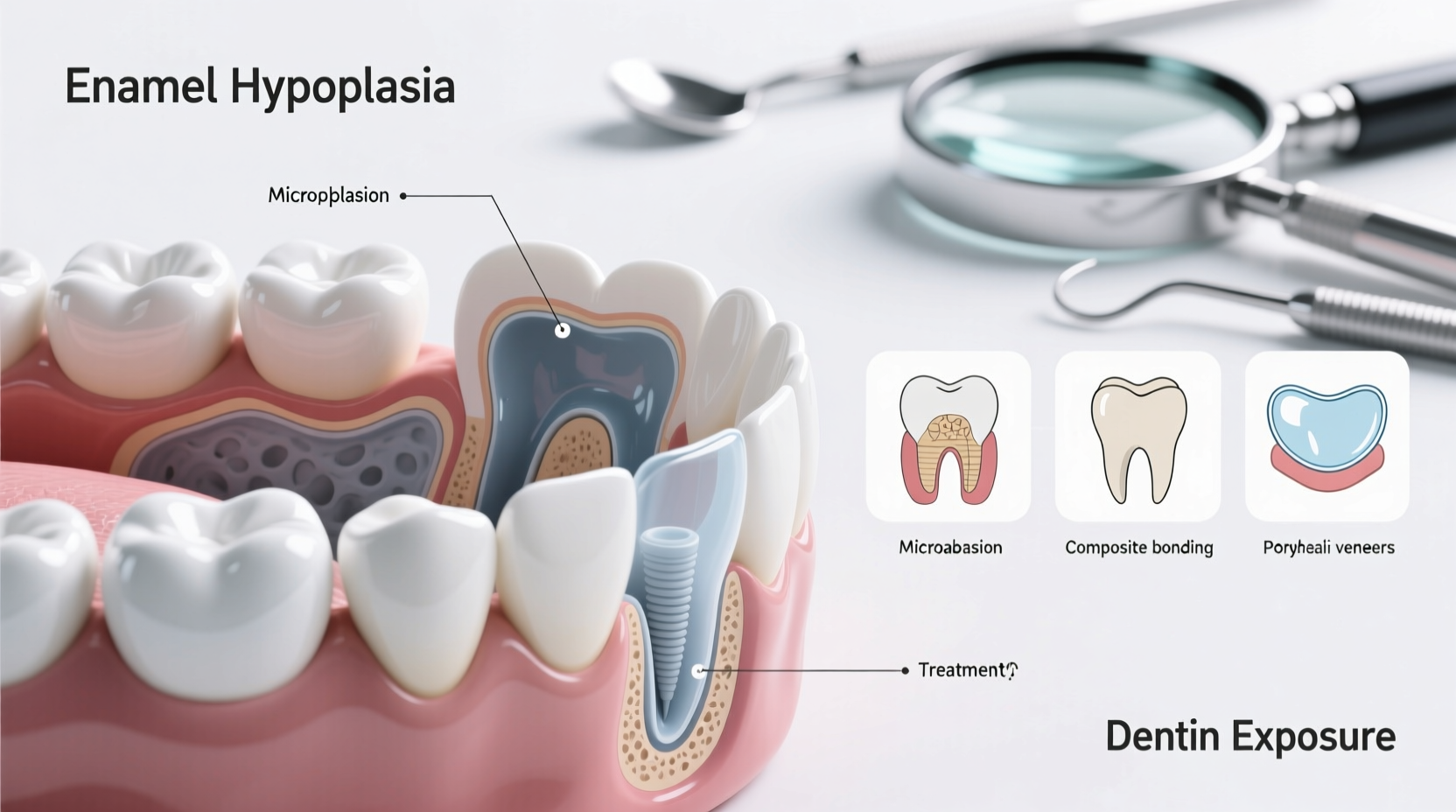
Healthy tooth enamel is semi-translucent, but not transparent. When the edges of your teeth—especially the incisors—begin to look thin, waxy, or glass-like, it usually means the enamel has worn away, revealing the more translucent dentin beneath or leaving only a thin shell of remaining enamel. Unlike bone, enamel cannot regenerate. Once it's gone, it’s gone for good. This makes early detection and prevention critical.
The translucency most commonly appears on upper front teeth because they’re exposed to acid, friction, and biting forces more frequently. It’s often accompanied by increased sensitivity, chipping, or discoloration.
Tip: If your teeth look foggy or frosted at the tips, especially after consuming acidic foods, don’t ignore it—this could be early-stage enamel erosion.Primary Causes of See-Through Teeth
Several interrelated factors contribute to enamel degradation and the resulting transparency. The most common include:
- Acid erosion (dental erosion): Frequent exposure to acidic substances—such as citrus fruits, soda, sports drinks, or stomach acid from acid reflux or bulimia—softens and dissolves enamel over time.
- Enamel hypoplasia: A developmental condition where enamel doesn’t form properly, often present from childhood. This leads to naturally thinner or weaker enamel that wears faster.
- Bruxism (teeth grinding): Chronic grinding or clenching accelerates wear, particularly on the biting edges, making them thin and translucent.
- Poor oral hygiene: Inadequate brushing or using abrasive toothpaste can exacerbate enamel loss, especially when combined with high-sugar diets that fuel acid-producing bacteria.
- Dry mouth (xerostomia): Saliva neutralizes acids and remineralizes enamel. Reduced saliva flow increases vulnerability to erosion.
“Translucency in teeth is rarely just cosmetic—it’s a red flag for structural compromise. We see patients in their 20s with enamel wear typically seen in much older adults due to modern dietary habits.” — Dr. Lena Torres, Prosthodontist and Dental Health Researcher
Treatment Options Based on Severity
The appropriate treatment depends on how advanced the enamel loss is. Early intervention preserves more natural tooth structure and improves long-term outcomes.
| Severity Level | Symptoms | Treatment Options |
|---|---|---|
| Mild | Slight translucency, minor sensitivity | Fluoride treatments, remineralizing toothpaste, dietary adjustments |
| Moderate | Visible thinning, increased sensitivity, rough edges | Composite bonding, custom night guards for bruxism |
| Severe | Pronounced transparency, chipping, pain during eating | Veneers, crowns, full-mouth rehabilitation in extreme cases |
Step-by-Step Guide to Managing Translucent Teeth
- Get a professional diagnosis: Visit a dentist for an examination, possibly including X-rays or enamel thickness assessment.
- Identify contributing habits: Track consumption of acidic foods, presence of grinding, or medical conditions like GERD.
- Switch to a soft-bristle brush and non-abrasive toothpaste: Avoid whitening or charcoal-based pastes that can accelerate wear.
- Incorporate fluoride: Use prescription-strength fluoride gels or rinses to strengthen remaining enamel.
- Protect against grinding: Wear a custom-fitted night guard if bruxism is diagnosed.
- Consider restorative options: For visible defects, discuss bonding or veneers with your dentist.
- Follow up regularly: Monitor changes every 6 months to prevent progression.
Real-Life Example: Sarah’s Experience with Enamel Erosion
Sarah, a 28-year-old graphic designer, noticed her front teeth looked increasingly “see-through” along the edges. She also experienced sharp pain when drinking cold water. After a dental exam, she learned her enamel had eroded significantly due to years of drinking lemon water throughout the day and undiagnosed nighttime grinding.
Her dentist recommended stopping the lemon water, switching to a fluoride-rich toothpaste, and wearing a night guard. After three months, her sensitivity improved. Six months later, she opted for composite bonding to restore the appearance of her front teeth. Today, Sarah maintains her results with regular checkups and mindful dietary choices.
Tip: Wait at least 30 minutes after eating or drinking acidic items before brushing. Brushing immediately afterward can scrub away softened enamel.Prevention Checklist
Protecting your enamel is far easier than restoring it. Follow this checklist to minimize risk:
- ✔ Limit acidic beverages like soda, citrus juice, and energy drinks
- ✔ Use a straw when drinking acidic liquids to reduce contact with teeth
- ✔ Chew sugar-free gum to stimulate saliva production
- ✔ Maintain consistent oral hygiene with fluoride toothpaste
- ✔ Attend biannual dental cleanings and exams
- ✔ Address teeth grinding with a dentist-prescribed night guard
- ✔ Treat gastrointestinal issues like acid reflux promptly
Frequently Asked Questions
Can translucent teeth be reversed?
No, lost enamel cannot regrow. However, early-stage erosion can be stabilized with fluoride and remineralization therapies. Cosmetic treatments like bonding or veneers can restore appearance and protect weakened areas.
Is it normal for teeth to be slightly translucent?
Some natural translucency exists at the biting edges, especially in younger people. But widespread or progressive transparency, particularly when accompanied by sensitivity or thinning, is not normal and warrants evaluation.
Are clear teeth a sign of cavities?
Not necessarily. Cavities typically appear as white spots, brown stains, or holes. Translucency is more indicative of generalized enamel loss rather than bacterial decay, though both can coexist.
Conclusion: Take Action Before It’s Too Late
Translucent teeth are a warning sign your enamel is under attack. Whether caused by diet, grinding, or medical conditions, the result is the same: weakened, sensitive, and aesthetically compromised teeth. The good news is that with prompt attention and consistent care, you can halt further damage and restore both function and confidence in your smile.
💬 Your teeth are meant to last a lifetime. If you’ve noticed changes in their appearance or sensitivity, schedule a dental visit today. Share your experience or questions below—your story might help someone catch a problem early.








