Inflamed taste buds can be more than just a minor annoyance—they can affect how you enjoy food, cause discomfort when eating or speaking, and sometimes signal an underlying health issue. While occasional irritation is common, persistent swelling or pain shouldn’t be ignored. Understanding the root causes and knowing which treatments work can help you regain normal oral function and prevent future flare-ups.
Understanding Taste Buds and Inflammation
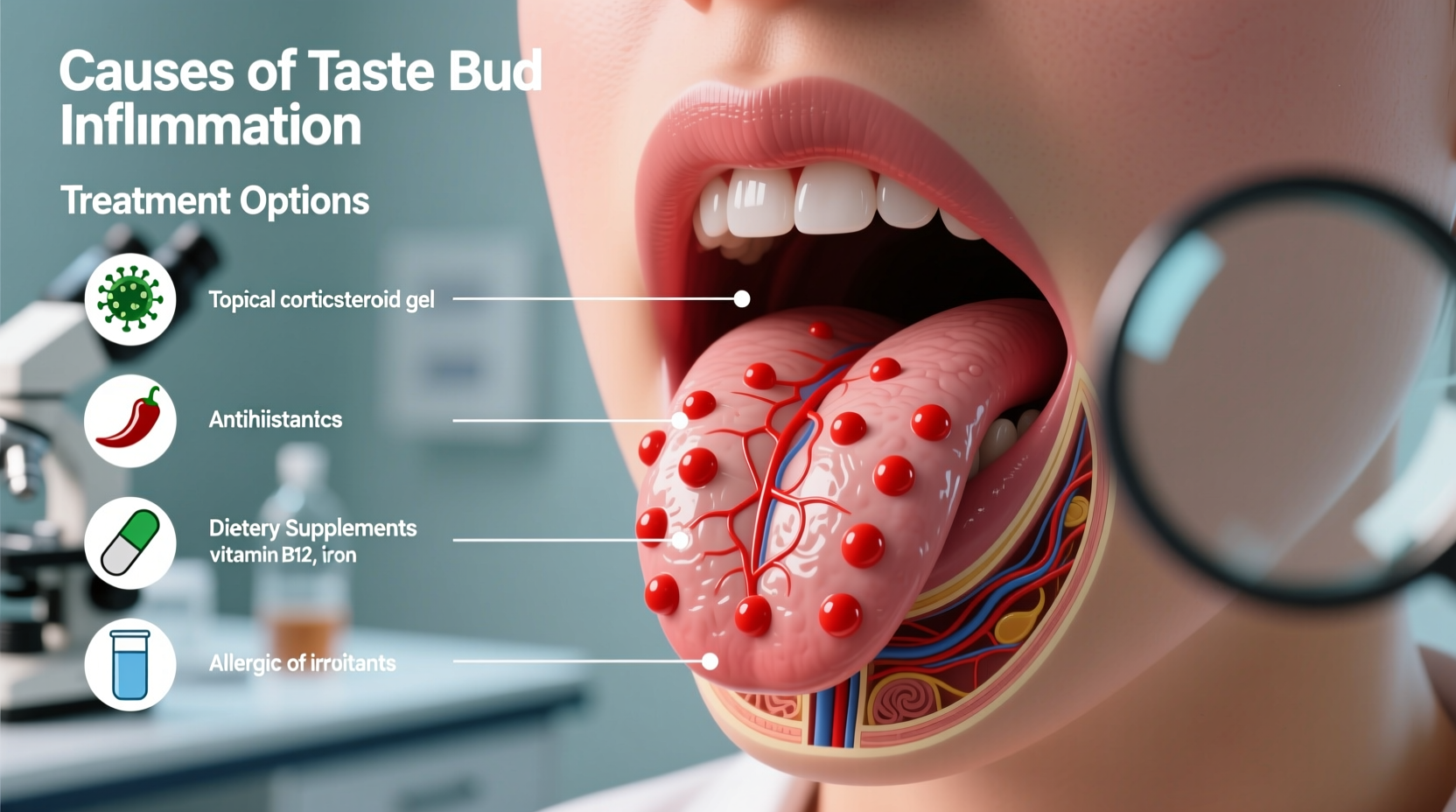
Taste buds are sensory organs located primarily on the tongue but also found in the roof of the mouth and throat. Each contains 50–100 receptor cells that respond to sweet, salty, sour, bitter, and umami flavors. When these structures become inflamed—a condition often referred to as “swollen taste buds” or transient lingual papillitis—it can lead to redness, bumps, tenderness, or even temporary loss of taste.
Inflammation typically occurs when the papillae (small bumps housing taste buds) react to irritants, infections, or trauma. Most cases are benign and resolve within a few days, but recurring episodes may require medical evaluation.
Tip: Avoid spicy, acidic, or very hot foods when your taste buds feel swollen to reduce further irritation.Common Causes of Inflamed Taste Buds
Inflammation of the taste buds rarely happens without reason. Several triggers—ranging from lifestyle habits to systemic conditions—can contribute:
- Physical trauma: Accidentally biting your tongue, brushing too hard, or eating sharp foods like chips can damage papillae.
- Spicy or acidic foods: Hot peppers, citrus fruits, vinegar-based sauces, and carbonated drinks may irritate sensitive tissue.
- Burning your tongue: Consuming overheated beverages or foods can scald taste receptors, leading to temporary swelling.
- Smoking and alcohol use: Both dry out oral tissues and introduce chemical irritants that increase inflammation risk.
- Poor oral hygiene: Bacterial or fungal buildup promotes infection and irritation.
- Vitamin deficiencies: Low levels of B vitamins (especially B3, B6, B9, B12), iron, or zinc impair tissue repair and immune response.
- Allergic reactions: Oral allergy syndrome or reactions to toothpaste, mouthwash, or food additives can trigger localized swelling.
- Infections: Viral (e.g., herpes simplex), bacterial, or fungal (like oral thrush) infections may inflame taste buds.
- Gastroesophageal reflux disease (GERD): Stomach acid rising into the mouth erodes tissues and causes chronic irritation.
- Geographic tongue: A benign condition causing patchy, map-like red areas with enlarged papillae.
“Recurrent taste bud inflammation should prompt a review of diet, oral care habits, and possible nutrient deficiencies.” — Dr. Lena Torres, Board-Certified Oral Medicine Specialist
Effective Treatment Options
Most cases of inflamed taste buds resolve independently within 5–7 days. However, targeted interventions can speed healing and relieve symptoms.
Natural Remedies and Home Care
- Rinse with salt water: Mix 1/2 teaspoon of salt in warm water and swish for 30 seconds, 2–3 times daily. This reduces bacteria and soothes irritation.
- Use baking soda rinse: Combine 1 tsp baking soda with 1 cup water to neutralize acids and calm inflammation.
- Cool compress or ice chips: Sucking on ice numbs pain and reduces swelling temporarily.
- Honey application: Raw honey has antimicrobial properties. Apply a small amount directly to affected areas (avoid if diabetic).
- Aloe vera juice: Swish pure aloe vera gel or juice (alcohol-free) to promote healing.
Over-the-Counter and Medical Treatments
| Treatment Type | Examples | How It Helps | Caution |
|---|---|---|---|
| Topical analgesics | Orajel, Anbesol | Numb pain locally | Avoid overuse; follow label instructions |
| Antiseptic mouthwashes | Chlorhexidine, hydrogen peroxide rinses | Kill bacteria and prevent infection | May stain teeth with prolonged use |
| Oral antifungals | Nystatin drops or lozenges | Treat candidiasis-related inflammation | Prescription required |
| Vitamin supplements | B-complex, zinc, iron | Support mucosal healing | Test levels before high-dose supplementation |
When to See a Doctor
While most taste bud inflammation is self-limiting, certain signs warrant professional assessment:
- Pain lasting longer than 10–14 days
- Ulcers that grow or bleed easily
- Lumps or white patches that don’t go away
- Dramatic changes in taste perception
- History of smoking or heavy alcohol use
Persistent lesions could indicate oral lichen planus, leukoplakia, or, in rare cases, early-stage oral cancer. A dentist or ENT specialist can perform a clinical exam and, if needed, order tests such as a biopsy or blood panel to check for nutritional deficits or autoimmune disorders.
Mini Case Study: Recurrent Tongue Swelling in a Coffee Lover
Sarah, a 34-year-old teacher, experienced recurring swollen taste buds every few weeks. She initially blamed spicy food but noticed the issue persisted despite dietary changes. After tracking her habits, she realized she regularly drank scalding-hot coffee immediately after brewing. Her dentist diagnosed thermal injury and recommended letting beverages cool for 5–10 minutes before drinking. Sarah also started using a straw to bypass direct contact with her tongue. Within three weeks, her symptoms resolved completely. A follow-up blood test revealed mild B12 deficiency, which was corrected with sublingual supplements. This case highlights how multiple factors—thermal trauma and nutrition—can combine to cause chronic irritation.
Prevention Checklist
Reduce your risk of inflamed taste buds by following this practical checklist:
- ✅ Let hot drinks and foods cool slightly before consuming
- ✅ Use a soft-bristled toothbrush and gentle brushing technique
- ✅ Maintain regular dental cleanings (every 6 months)
- ✅ Stay hydrated to prevent dry mouth
- ✅ Eat a balanced diet rich in B vitamins, zinc, and iron
- ✅ Quit smoking and limit alcohol intake
- ✅ Switch to SLS-free toothpaste if irritation persists
- ✅ Manage acid reflux with diet and medication if diagnosed
Frequently Asked Questions
Can stress cause inflamed taste buds?
Yes, indirectly. Stress weakens the immune system and may trigger outbreaks of viral infections like oral herpes, which can manifest as swollen or painful taste buds. Additionally, stress-related habits such as teeth grinding or reduced oral hygiene can contribute to irritation.
Is it normal for taste buds to appear white when inflamed?
White spots can occur due to dead cells, pus from minor infection, or fungal overgrowth (like thrush). If the whiteness persists beyond a few days or spreads, consult a healthcare provider to rule out candidiasis or other conditions.
Can I pop a swollen taste bud like a pimple?
No. Unlike pimples, inflamed papillae are not filled with pus in the same way and do not “pop.” Attempting to puncture them increases infection risk and delays healing. Allow natural recovery or use soothing rinses instead.
Conclusion: Take Control of Your Oral Comfort
Inflamed taste buds are usually temporary and manageable with simple home care. However, understanding the underlying causes—from dietary choices to systemic health issues—is key to preventing recurrence. By adopting protective habits, monitoring symptoms, and seeking timely medical advice when needed, you can maintain a healthy, responsive sense of taste. Don’t dismiss persistent oral discomfort as “just a sore spot.” Your mouth is a window to overall wellness, and small changes today can lead to lasting improvements in comfort and quality of life.
💬 Have you dealt with swollen taste buds? Share your experience or tips in the comments below—your insight could help someone find relief faster.








