Sometimes the simplest signs in houseplants carry the loudest messages. A snake plant—known for its resilience, upright green blades, and air-purifying prowess—suddenly developing yellow leaves can be both puzzling and concerning. While these plants thrive on neglect more than most, even they send distress signals when something’s wrong. Yellowing leaves aren’t just cosmetic issues; they’re indicators of underlying problems ranging from overwatering to root rot or nutrient imbalances.
Understanding the causes behind yellowing foliage is essential to restoring your plant’s health. More importantly, knowing how to act quickly can mean the difference between revival and irreversible decline. This guide breaks down the most common reasons for yellow leaves on snake plants, offers practical solutions, and equips you with long-term strategies to keep your Sansevieria strong and vibrant.
Common Causes of Yellow Leaves on Snake Plants
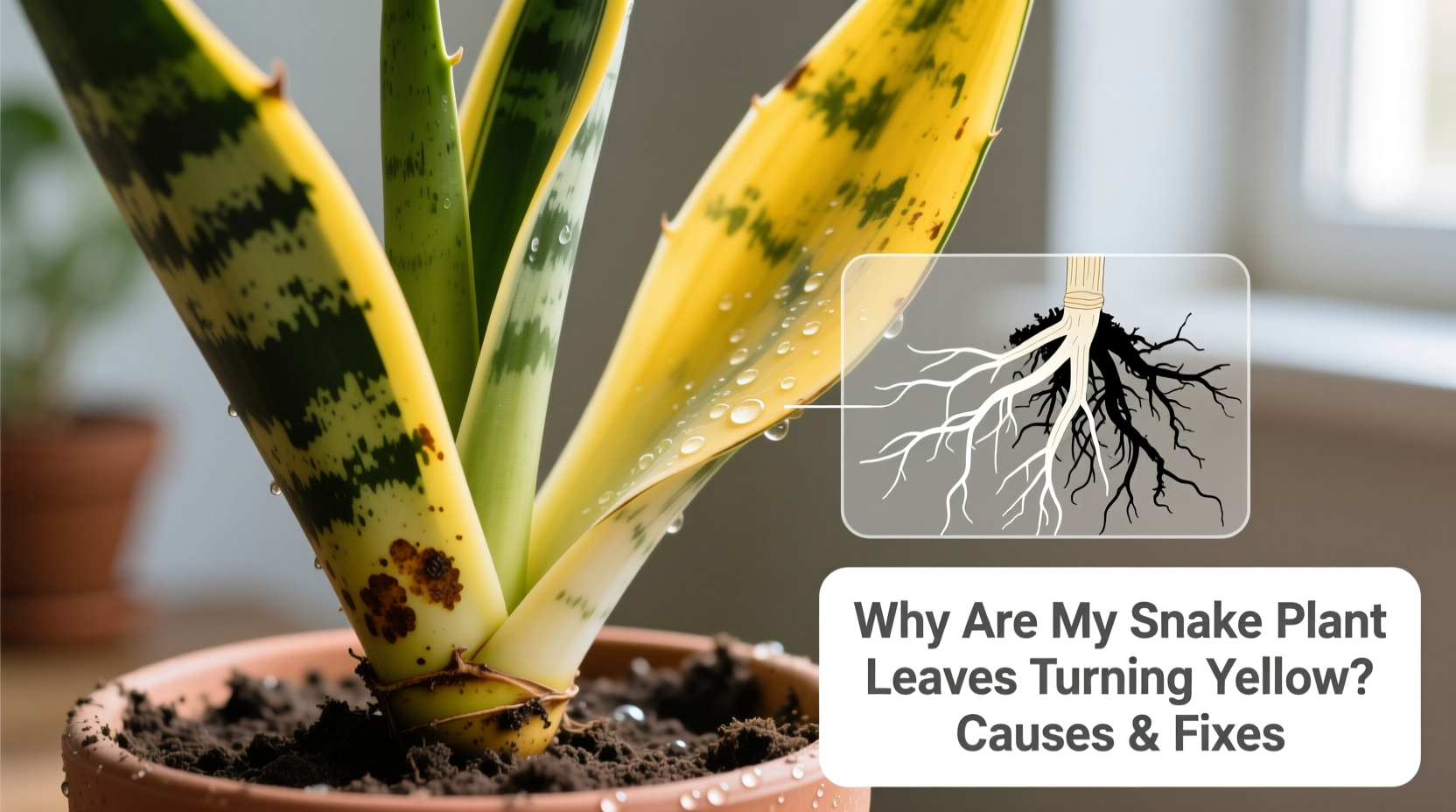
Snake plants (Sansevieria trifasciata) are native to arid regions of West Africa, where they’ve evolved to survive prolonged dry periods. Their thick, succulent-like leaves store water, making them highly drought-tolerant. However, this same adaptation makes them vulnerable to moisture-related stress when grown in domestic environments.
- Overwatering: The leading cause of yellow leaves. Excess moisture leads to root rot, which prevents nutrient uptake.
- Poor Drainage: Pots without drainage holes or heavy soils trap water around roots.
- Low Light Conditions: While snake plants tolerate low light, prolonged darkness weakens photosynthesis and stresses the plant.
- Root Bound or Pot-Bound Roots: When roots outgrow their container, they become compacted, reducing access to oxygen and nutrients.
- Nutrient Deficiency or Imbalance: Lack of essential nutrients like nitrogen or excess fertilizer causing salt buildup.
- Temperature Stress: Exposure to cold drafts or temperatures below 50°F (10°C) can damage leaf tissue.
- Pests: Mealybugs, spider mites, or scale insects may infest weakened plants, accelerating decline.
How to Diagnose the Problem: A Step-by-Step Guide
Accurate diagnosis is crucial before applying any treatment. Follow this timeline to identify what’s affecting your snake plant:
- Observe Leaf Pattern: Are lower leaves turning yellow first? That often points to aging or overwatering. New growth yellowing suggests nutrient issues.
- Check Soil Moisture: Use a moisture meter or your finger. Wet, soggy soil indicates overwatering.
- Inspect the Roots: Gently remove the plant from its pot. Healthy roots are firm and white; mushy, brown, or black roots signal rot.
- Examine for Pests: Look under leaves, along stems, and near the soil line for tiny bugs, webbing, or sticky residue.
- Review Recent Care Changes: Did you repot, fertilize, move the plant, or change watering frequency?
- Assess Light Levels: Is the plant near a window? Has natural light decreased seasonally?
“More snake plants die from kindness than neglect. Overwatering is the silent killer.” — Dr. Linda Chen, Urban Horticulturist at GreenSpace Research Lab
Effective Fixes Based on Cause
Once you’ve identified the likely cause, targeted action can reverse damage and promote recovery.
Fixing Overwatering and Root Rot
If the roots show signs of rot, immediate intervention is necessary:
- Remove the plant from its pot and gently shake off old soil.
- Trim away all soft, dark, or smelly roots using sterilized scissors.
- Cut off severely yellowed or mushy leaves at the base.
- Rinse remaining healthy roots under lukewarm water.
- Let the plant air-dry for 1–2 days in a shaded area.
- Repot in fresh, well-draining cactus or succulent mix.
- Use a terracotta pot with drainage holes to improve airflow.
Correcting Lighting Issues
Snake plants prefer bright, indirect light but adapt to low-light conditions. However, too little light slows metabolism and weakens the plant.
- Move the plant closer to an east- or west-facing window.
- Avoid direct afternoon sun, which can scorch leaves.
- In dim rooms, supplement with a grow light for 8–10 hours daily.
Addressing Nutrient Problems
Yellow new growth may indicate nitrogen deficiency. Conversely, excessive feeding causes salt accumulation, burning roots.
- Fertilize only during spring and summer (every 2–3 months).
- Use a balanced, diluted liquid fertilizer (e.g., 10-10-10 at half strength).
- Flush the soil every 6 months by running water through the pot until it drains freely.
Prevention Checklist: Keep Your Snake Plant Healthy Long-Term
Preventive care ensures your snake plant stays robust and resistant to stress. Follow this actionable checklist:
- ✅ Water only when the top 2–3 inches of soil are completely dry.
- ✅ Use pots with drainage holes and well-aerated soil.
- ✅ Rotate the plant monthly for even light exposure.
- ✅ Wipe leaves occasionally with a damp cloth to remove dust and support photosynthesis.
- ✅ Repot every 2–3 years to refresh soil and check root health.
- ✅ Keep away from heating vents, AC units, and cold drafts.
- ✅ Quarantine new plants for 2 weeks to avoid pest spread.
Do’s and Don’ts Table for Snake Plant Care
| Do’s | Don’ts |
|---|---|
| Water sparingly—once every 2–6 weeks depending on climate | Don’t water on a fixed schedule regardless of soil condition |
| Provide bright, indirect sunlight | |
| Use terracotta or unglazed ceramic pots | Don’t use decorative outer pots without drainage |
| Fertilize lightly during growing season | Don’t fertilize in fall or winter |
| Prune damaged leaves at the base | Don’t cut partially yellow leaves—remove entirely if compromised |
Real Example: Reviving a Neglected Office Snake Plant
Jamal, an office manager in Chicago, noticed one of his three snake plants developing yellow lower leaves. Initially assuming it was normal aging, he ignored it—until two more leaves turned yellow within a month. He checked online and realized the plant sat in a sealed outer pot collecting water after each watering.
He pulled the inner pot out, found standing water, and smelled a faint musty odor—classic signs of root rot. After removing the plant, he discovered several brown, mushy roots. Following the repotting steps outlined above, he cleaned the roots, replaced the soil, and placed the plant near a north-facing window with supplemental LED lighting.
Within six weeks, no new leaves yellowed, and firm, green growth emerged from the center. The other two plants, still in good health, served as visual motivation to maintain better habits across all office greenery.
Frequently Asked Questions
Can yellow snake plant leaves turn green again?
No. Once a leaf turns yellow due to damage or disease, it cannot revert to green. The plant will eventually shed it. Focus on preventing further yellowing by correcting care practices.
Should I cut off yellow leaves?
Yes. Removing yellow or dying leaves improves appearance, reduces disease risk, and allows the plant to redirect energy to healthy growth. Cut at the base with clean shears.
How often should I water my snake plant?
In typical indoor conditions, every 3–6 weeks is sufficient. In warmer, drier climates with more light, you might water every 2–3 weeks. Always confirm dryness before watering.
Conclusion: Act Now to Save Your Snake Plant
Yellow leaves on a snake plant aren’t a death sentence—they’re a wake-up call. With proper diagnosis and timely correction, most plants recover fully. The key lies in understanding that these hardy survivors don’t need constant attention, but they do require the right kind of care: minimal water, good drainage, adequate light, and occasional maintenance.
Take a moment today to assess your snake plant’s environment. Check the soil, inspect the roots if needed, and adjust your routine accordingly. Small changes now can prevent bigger problems later. Share your experience or ask questions in the comments—your journey could help another plant lover save their Sansevieria.
💬 Have a snake plant that bounced back from yellow leaves? Share your story below and inspire others to keep growing!








