Pores are a natural part of your skin’s anatomy—tiny openings that allow sweat and sebum (oil) to reach the surface. While you can't eliminate pores, many people notice them appearing larger over time, especially on the nose, cheeks, and forehead. This change isn’t just cosmetic; it often reflects deeper shifts in skin health. Understanding why pores enlarge—and how to manage them—is key to maintaining clear, balanced skin.
What Are Pores and Why Do They Matter?
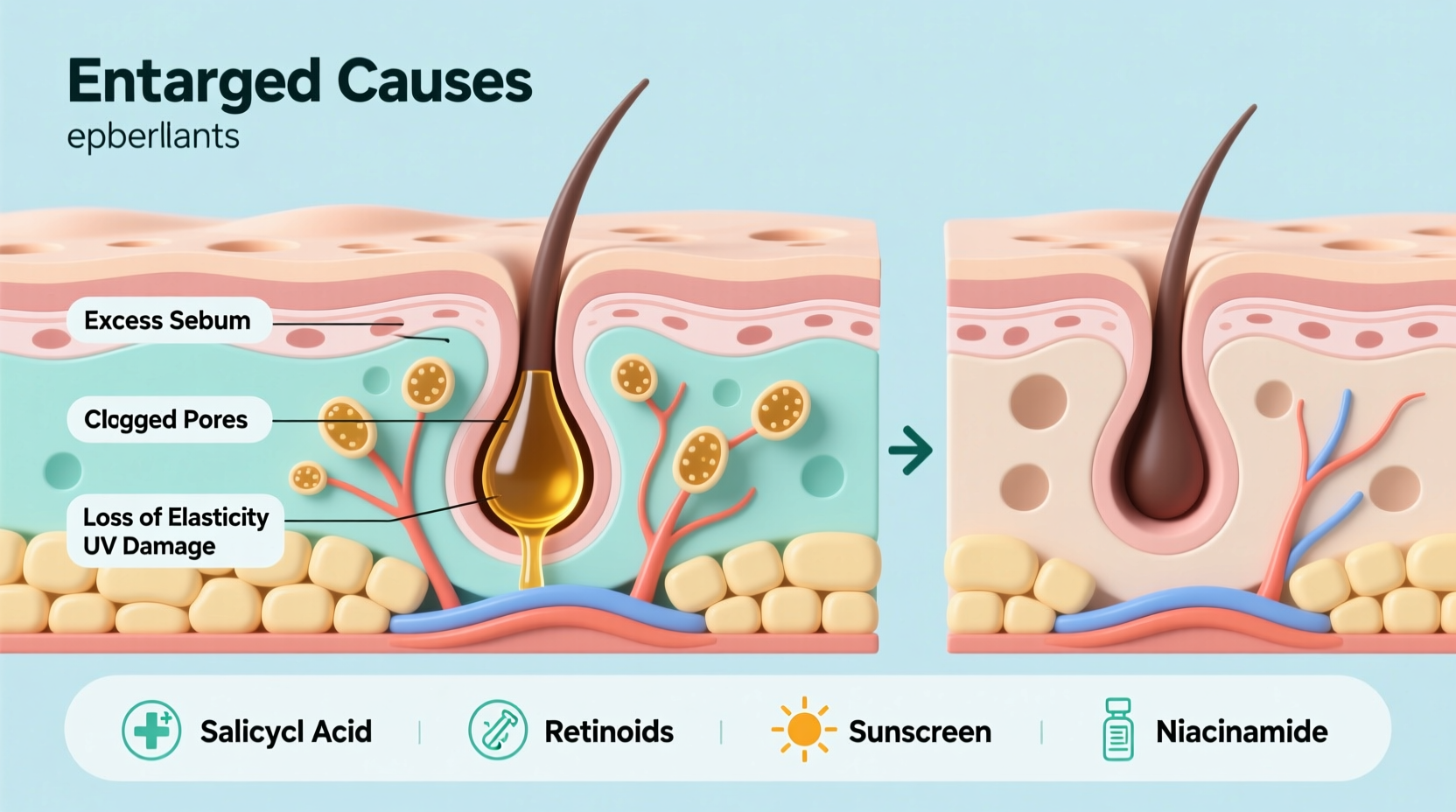
Pores serve as channels for hair follicles and sebaceous (oil) glands. Each pore houses a hair and an oil-producing gland that helps keep the skin moisturized and protected. The size of your pores is largely genetic, but multiple factors influence how prominent they appear. Enlarged pores can trap dirt, oil, and dead skin cells, increasing the risk of blackheads, acne, and dullness. Over time, visible pores may contribute to an uneven skin texture and aged appearance.
Contrary to popular belief, pores don’t physically “open” or “close.” However, they can appear more noticeable when clogged or stretched due to excess oil production, aging, or environmental stressors.
Common Causes of Enlarged Pores
Several internal and external factors contribute to the appearance of larger pores. Recognizing these causes is the first step toward effective management.
- Excess Sebum Production: Oily skin increases the likelihood of clogged pores. When sebum accumulates, it stretches the pore lining, making it look wider.
- Aging and Loss of Elasticity: As collagen and elastin decline with age, skin loses firmness. This loss causes pores to stretch and sag, making them more visible.
- UV Damage: Sun exposure breaks down collagen and thickens the outer layer of skin, which can enlarge pores over time.
- Clogged Pores: Buildup of dead skin cells, makeup, and pollutants can plug pores, causing them to dilate.
- Genetics: Some individuals naturally have larger pores due to hereditary factors affecting oil gland activity and skin thickness.
- Poor Skincare Habits: Inconsistent cleansing, using comedogenic products, or aggressive scrubbing can worsen pore visibility.
Effective Treatments to Minimize Pore Appearance
While you can't change your genetics, you can significantly reduce the visibility of pores through targeted treatments and consistent care.
Topical Ingredients That Work
Integrating science-backed ingredients into your routine can refine skin texture and tighten the look of pores.
| Ingredient | How It Helps | Best For |
|---|---|---|
| Niacinamide (Vitamin B3) | Regulates oil, strengthens skin barrier, reduces inflammation | Oily and combination skin |
| Retinoids (e.g., retinol) | Boosts cell turnover, prevents clogging, stimulates collagen | Aging and acne-prone skin |
| Salicylic Acid | Exfoliates inside pores, dissolves oil and debris | Acne-prone, congested skin |
| Hyaluronic Acid | Hydrates without clogging, plumps surrounding skin to minimize pore look | Dry and dehydrated skin |
| Alpha Hydroxy Acids (AHAs) | Removes dead skin cells from the surface, smooths texture | Dull, rough skin |
Professional Procedures
For more dramatic results, dermatological treatments offer long-term improvement.
- Chemical Peels: Remove the top layers of skin, clearing clogs and stimulating renewal.
- Laser Therapy: Targets oil glands and boosts collagen, tightening pore structure.
- Microneedling: Creates micro-injuries that trigger collagen production, improving skin firmness around pores.
- Extraction Facials: Performed by estheticians to safely remove blackheads and deep-seated debris.
“Consistent use of niacinamide and retinoids can visibly reduce pore size in 8–12 weeks when paired with sun protection.” — Dr. Lena Torres, Board-Certified Dermatologist
Step-by-Step Daily Routine to Prevent Pore Enlargement
A structured skincare regimen is essential for managing pore size. Follow this timeline to build an effective daily habit:
- Morning Cleanse: Use a gentle, non-comedogenic cleanser to remove overnight oil buildup without stripping moisture.
- Toner (Optional): Apply an alcohol-free toner with soothing or clarifying ingredients like witch hazel or glycolic acid.
- Antioxidant Serum: Use vitamin C to protect against UV damage and brighten skin tone.
- Moisturizer: Even oily skin needs hydration. Choose a lightweight, oil-free formula.
- Sunscreen (Non-Negotiable): Apply broad-spectrum SPF 30+ every morning to prevent collagen breakdown.
- Evening Cleanse: Double cleanse if wearing makeup—start with an oil-based cleanser, then follow with a water-based one.
- Active Treatment: Alternate between retinol (2–3 nights/week) and exfoliating acids (1–2 nights/week).
- Night Moisturizer: Seal in actives with a nourishing but non-greasy cream.
Mini Case Study: Reducing Pore Visibility in 10 Weeks
Sarah, a 32-year-old marketing professional, noticed her pores becoming more visible on her nose and chin after moving to a humid city. She began experiencing frequent breakouts and a persistently shiny T-zone. After consulting a dermatologist, she adopted a new routine:
- Switched to a salicylic acid cleanser twice daily
- Applied 5% niacinamide serum every morning
- Used 0.3% retinol three nights a week
- Wore SPF 35 daily, even indoors
- Received a series of three light chemical peels spaced four weeks apart
After ten weeks, Sarah reported fewer breakouts, reduced oiliness, and smoother skin. A before-and-after analysis showed a noticeable refinement in pore appearance, particularly on the nose. Her dermatologist attributed the results to consistent exfoliation, oil regulation, and collagen support.
Checklist: Pore-Healthy Skincare Habits
Use this checklist to evaluate and improve your current routine:
- ☑ Cleanse twice daily with a gentle, non-comedogenic formula
- ☑ Exfoliate 2–3 times per week (chemical exfoliants preferred over physical scrubs)
- ☑ Apply a niacinamide serum daily
- ☑ Use retinoids 2–3 nights per week (start low, go slow)
- ☑ Wear sunscreen every single day, rain or shine
- ☑ Avoid touching your face throughout the day
- ☑ Replace pillowcases weekly and clean phone screens regularly
- ☑ Stay hydrated and maintain a balanced diet low in refined sugars
Frequently Asked Questions
Can pores shrink permanently?
No, pore size is genetically determined and cannot be changed permanently. However, their appearance can be significantly minimized through consistent skincare, professional treatments, and lifestyle habits that support skin elasticity and cleanliness.
Does drinking water help reduce pore size?
While drinking water alone won’t shrink pores, proper hydration supports overall skin health. Well-hydrated skin appears plumper and smoother, which can make pores less noticeable. Pair internal hydration with topical humectants like hyaluronic acid for best results.
Are pore strips bad for your skin?
Occasional use of pore strips may remove surface-level blackheads, but frequent use can damage the skin barrier, stretch pores, and cause irritation. Dermatologists recommend gentler alternatives like clay masks or salicylic acid treatments for long-term pore care.
Final Thoughts: Take Control of Your Skin’s Texture
Enlarged pores are a common concern, but they’re not irreversible. With the right knowledge and routine, you can maintain clearer, smoother skin regardless of your skin type or age. Focus on consistency, choose products wisely, and prioritize protection from sun damage. Small changes compound over time—what matters most is persistence and patience.
💬 Ready to transform your skin? Start tonight by reviewing your current products and replacing one with a pore-refining ingredient like niacinamide. Share your journey or ask questions in the comments below—we're all learning together.








