Lip trembling—whether brief or persistent—is a sensation many people experience at some point. While it often passes quickly and without consequence, recurring or prolonged lip tremors can signal underlying conditions ranging from stress to neurological disorders. Understanding the root causes, recognizing warning signs, and knowing when to act can make a significant difference in both comfort and long-term health.
Common Causes of Lip Trembling
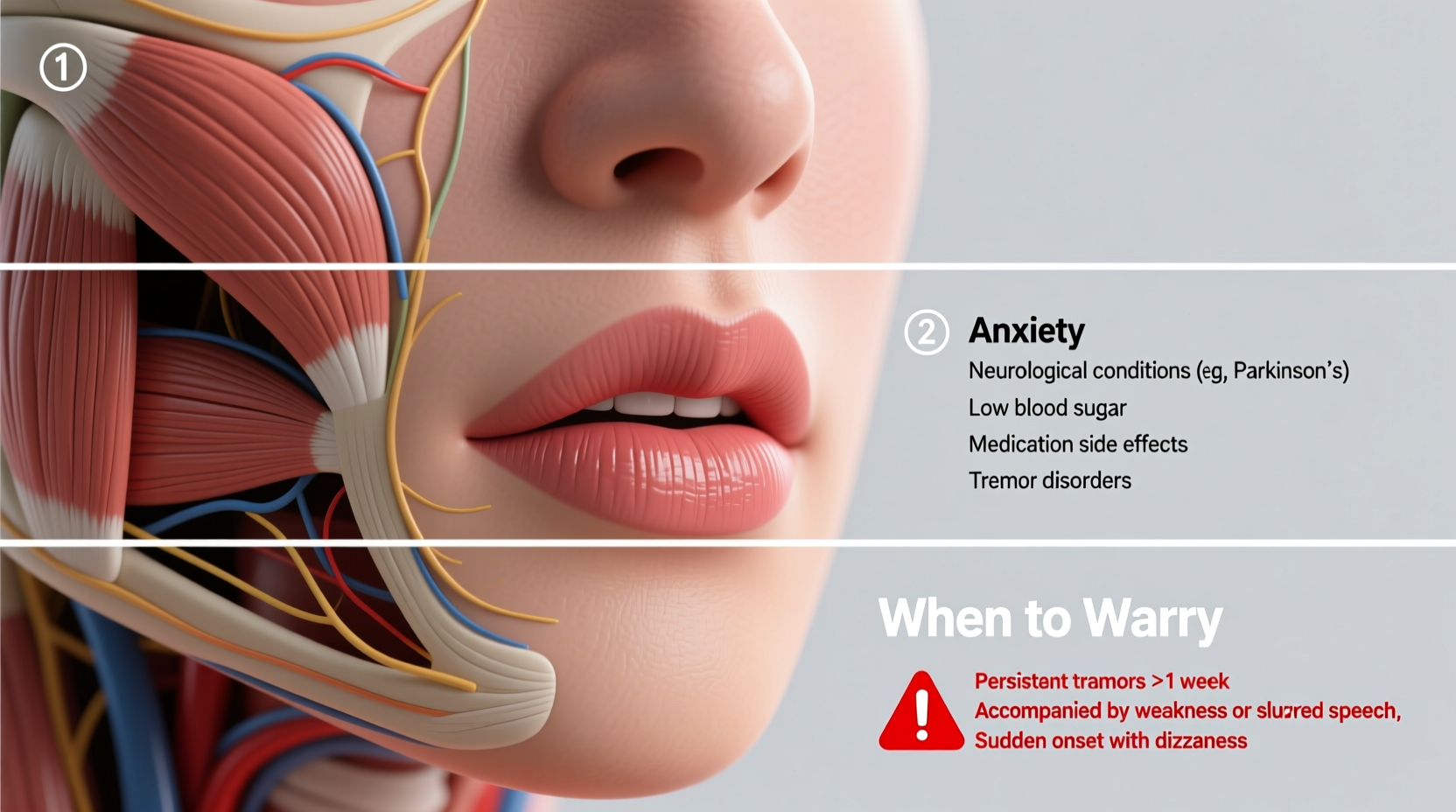
Lip trembling is typically caused by involuntary muscle contractions in the facial region. These spasms may affect one or both sides of the mouth and can last seconds or persist for hours. The most frequent triggers are generally benign but still worth monitoring.
- Stress and Anxiety: Emotional tension activates the nervous system, which can lead to muscle twitching, including in the lips. This type of trembling often occurs during high-pressure situations or panic attacks.
- Caffeine Overconsumption: Excessive intake of coffee, energy drinks, or stimulant-rich supplements can overexcite the nervous system, resulting in fine muscle tremors.
- Fatigue and Sleep Deprivation: Lack of rest impairs nerve function and muscle control, increasing the likelihood of involuntary movements.
- Nerve Irritation: Temporary irritation of the facial nerve (cranial nerve VII) due to cold exposure, dental procedures, or minor trauma can cause localized twitching.
- Nutritional Deficiencies: Low levels of magnesium, calcium, or potassium disrupt neuromuscular signaling and may contribute to muscle spasms.
Medical Conditions Linked to Persistent Lip Trembling
When lip trembling becomes chronic or is accompanied by other symptoms, it may point to more serious health issues. These require professional evaluation and targeted treatment.
Essential Tremor
A common movement disorder causing rhythmic shaking, often affecting hands, head, and voice—but sometimes the face and lips. It tends to run in families and worsens with age.
Facial Nerve Disorders
Conditions like Bell’s palsy or hemifacial spasm involve inflammation or damage to the facial nerve, leading to twitching, weakness, or paralysis on one side of the face.
Parkinson’s Disease
While tremors typically begin in the hands, early Parkinson’s can present with subtle signs like lip quivering, especially at rest. Other symptoms include stiffness, slow movement, and balance issues.
Hypoglycemia
Low blood sugar can trigger shakiness, sweating, confusion, and lip trembling—particularly in individuals with diabetes or those who skip meals.
Medication Side Effects
Drugs such as asthma inhalers (albuterol), antipsychotics, and certain antidepressants may induce tremors as a side effect.
“Recurrent facial twitching should never be dismissed outright. Even if benign, it warrants investigation to rule out neurological involvement.” — Dr. Alan Reyes, Neurologist at Boston General Hospital
When to Worry: Red Flags Requiring Medical Attention
Occasional lip trembling due to stress or fatigue rarely requires intervention. However, certain symptoms suggest an underlying condition that needs prompt diagnosis.
| Symptom | Possible Concern | Action |
|---|---|---|
| One-sided facial twitching lasting days | Bell’s palsy, hemifacial spasm | See a neurologist within 72 hours |
| Trembling with slurred speech or drooping | Stroke or TIA (transient ischemic attack) | Seek emergency care immediately |
| Worsening tremors at rest | Parkinson’s disease | Schedule neurological evaluation |
| Frequent episodes with dizziness or fainting | Hypoglycemia, cardiac issue | Check blood sugar and heart function |
| Lip tremors after new medication | Drug-induced side effect | Consult prescribing physician |
Diagnosis and Treatment Options
Determining the cause of lip trembling involves a thorough clinical assessment. A healthcare provider may conduct physical exams, review medical history, and order tests such as blood panels, MRI scans, or electromyography (EMG).
Step-by-Step Diagnostic Process
- Initial Consultation: Discuss frequency, duration, triggers, and associated symptoms.
- Blood Tests: Check electrolyte levels, thyroid function, glucose, and vitamin deficiencies.
- Neurological Exam: Assess coordination, reflexes, and facial muscle strength.
- Imaging: MRI or CT scan if structural brain abnormalities are suspected.
- Specialist Referral: To a neurologist or ENT specialist based on findings.
Treatment Approaches Based on Cause
- Lifestyle Adjustments: Reduce caffeine, manage stress through mindfulness or therapy, improve sleep hygiene.
- Nutritional Support: Supplement with magnesium, calcium, or B-complex vitamins under medical guidance.
- Medication Changes: Adjust or replace drugs causing tremors, always under supervision.
- Botulinum Toxin (Botox) Injections: Used for severe facial twitching like hemifacial spasm to temporarily paralyze overactive muscles.
- Physical Therapy: Facial exercises may help retrain muscle control in post-Bell’s palsy recovery.
- Pharmacological Treatments: Beta-blockers or anti-seizure medications for essential tremor.
Real-Life Example: Recognizing a Silent Warning
Sarah, a 58-year-old teacher, began noticing her lower lip quivered during staff meetings. She initially attributed it to nerves. Over three months, the trembling became constant, spreading to her right eyelid. She also developed a slight drag in her right foot. After seeing a neurologist, an MRI revealed a small lesion compressing her facial nerve. Early detection allowed for minimally invasive surgery, preventing further complications. Her case underscores the importance of not dismissing persistent facial twitches—even if they seem minor.
Frequently Asked Questions
Can anxiety really make my lips tremble?
Yes. Anxiety activates the sympathetic nervous system, increasing muscle tension and triggering involuntary movements like lip trembling. Deep breathing, meditation, or counseling can reduce these episodes.
Is lip trembling a sign of a stroke?
Not always, but sudden lip quivering combined with facial droop, slurred speech, arm weakness, or confusion could indicate a stroke. Use the FAST acronym: Face drooping, Arm weakness, Speech difficulty, Time to call emergency services.
How can I stop my lips from trembling naturally?
Try reducing stimulants, staying hydrated, eating balanced meals rich in minerals, and practicing relaxation techniques like yoga or progressive muscle relaxation.
Take Control of Your Health
Lip trembling is more than just a fleeting oddity—it can be a window into your nervous system’s health. While many causes are harmless and temporary, ignoring persistent or worsening symptoms risks missing critical diagnoses. Pay attention to your body’s signals. Track changes. Seek answers when something feels off.
Whether it's adjusting your daily habits or scheduling a doctor’s visit, taking proactive steps today can prevent complications tomorrow. Your health is worth the attention.
💬 Have you experienced unexplained lip trembling? Share your story or questions in the comments—your insight might help someone else find clarity.








