Dry lips affect nearly everyone at some point. While often dismissed as a minor annoyance, persistent chapping can be uncomfortable, unsightly, and sometimes indicative of underlying health issues. Unlike facial skin, lips lack oil glands and a thick protective barrier, making them especially vulnerable to moisture loss and environmental damage. Understanding the root causes—and how to effectively treat and prevent dryness—is essential for maintaining smooth, healthy lips year-round.
Common Causes of Dry Lips
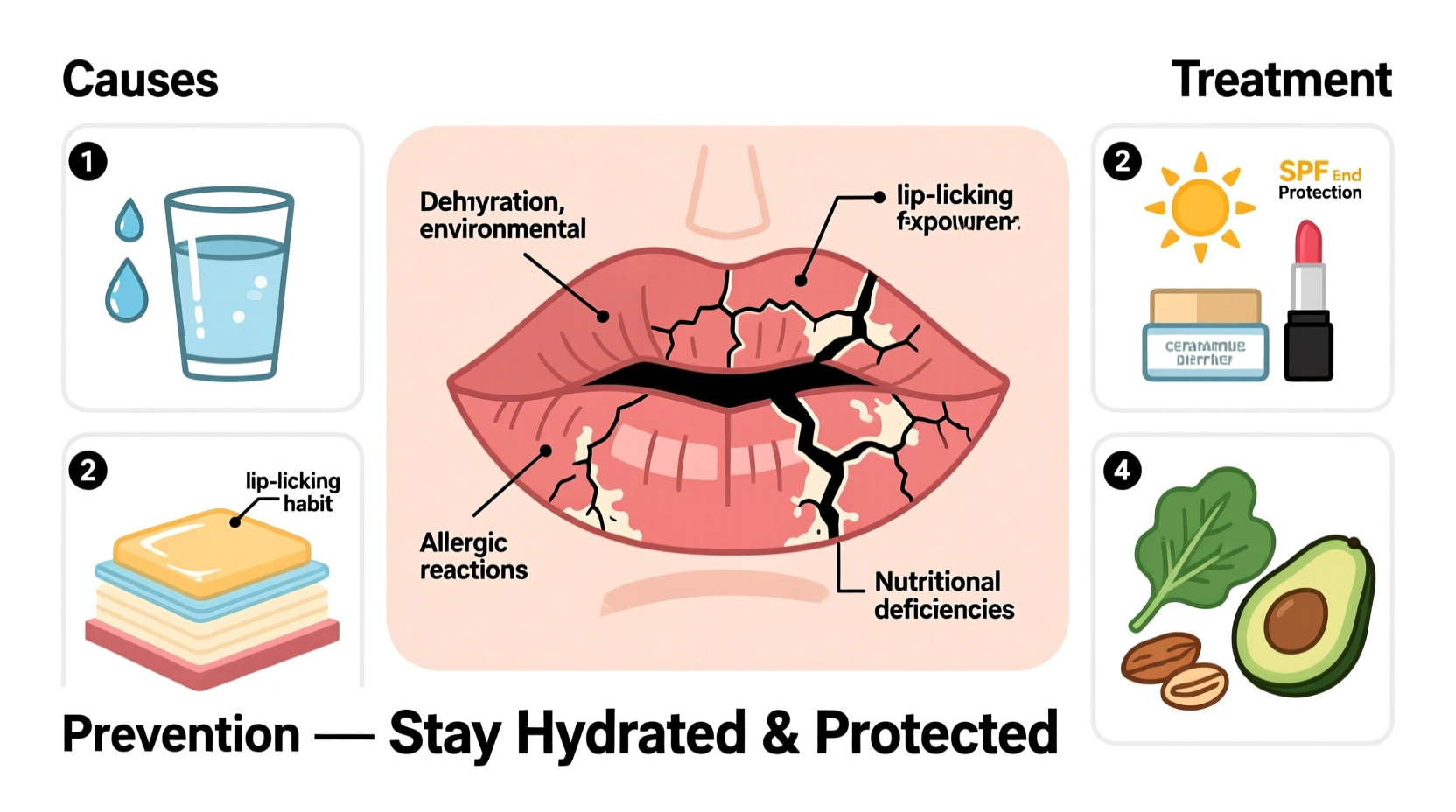
The reasons behind dry lips vary widely, from everyday habits to medical conditions. Identifying the trigger is the first step toward lasting relief.
- Dehydration: Not drinking enough water reduces overall skin moisture, including on the lips.
- Environmental Exposure: Cold winds, low humidity, and sun radiation strip moisture and damage delicate lip tissue.
- Lip Licking: Saliva evaporates quickly, leaving lips drier than before and potentially causing irritation.
- Allergies or Irritants: Toothpaste, lipstick, lip balm ingredients (like menthol or fragrances), or even certain foods can cause contact dermatitis.
- Medications: Retinoids, antihistamines, acne treatments, and some blood pressure drugs list dry lips as a side effect.
- Nutritional Deficiencies: Low levels of B vitamins (especially B2, B3, B6, and B12), iron, or zinc can manifest as chapped lips.
- Mouth Breathing: Chronic nasal congestion forces air through the mouth, drying out the lips overnight.
- Medical Conditions: Eczema, psoriasis, Sjögren’s syndrome, and angular cheilitis (cracks at the corners of the mouth) may present with severe lip dryness.
Effective Treatments for Dry, Chapped Lips
Treating dry lips goes beyond simply applying any available lip balm. The right approach targets both symptoms and underlying causes.
Immediate Relief Steps
- Stop licking your lips. This habit worsens dryness and can lead to a cycle of irritation.
- Use a hydrating lip balm with occlusive ingredients. Look for petrolatum, shea butter, beeswax, or lanolin to seal in moisture.
- Exfoliate gently. Once or twice a week, use a soft toothbrush or sugar scrub to remove dead skin—never peel flakes by hand.
- Apply balm frequently, especially after eating, drinking, or being outdoors.
- Stay hydrated. Drink at least 8 glasses of water daily to support skin hydration from within.
When to Consider Medical Treatment
If cracks bleed, become painful, or don’t improve within two weeks, consult a healthcare provider. Prescription treatments may include:
- Topical corticosteroids for inflammation
- Antifungal creams if angular cheilitis is caused by yeast
- Vitamin supplements for deficiencies
“Persistent lip dryness isn’t always about weather. It can signal dehydration, allergies, or even autoimmune conditions. Don’t ignore chronic chapping.” — Dr. Lena Torres, Dermatologist
Prevention Strategies for Long-Term Lip Health
Preventing dry lips requires consistent care and awareness of triggers. Think of lip maintenance as part of your daily wellness routine.
| Do’s | Don’ts |
|---|---|
| Use fragrance-free, hypoallergenic lip balms | Use products with menthol, camphor, or alcohol |
| Drink plenty of water throughout the day | Go hours without reapplying balm in harsh weather |
| Wear a wide-brimmed hat or use SPF lip balm in the sun | Lick your lips when they feel dry |
| Treat nasal congestion to reduce mouth breathing | Peel or bite flaky skin off your lips |
| Eat a balanced diet rich in B vitamins and healthy fats | Ignore persistent cracking or bleeding |
Nighttime Care Routine
Overnight is prime time for repair. A thick, emollient-rich product can work while you sleep.
Tip: Apply a generous layer of pure petroleum jelly before bed. It creates a protective seal without irritating ingredients.Real-Life Example: Sarah’s Winter Lip Struggle
Sarah, a 34-year-old teacher from Minnesota, battled severely chapped lips every winter. Despite using multiple flavored lip balms daily, her lips cracked and bled by mid-January. After visiting a dermatologist, she discovered two key issues: her favorite mint-flavored balm contained menthol (an irritant), and she was mildly dehydrated due to low water intake.
Her doctor recommended switching to an unscented balm with shea butter, drinking more water, and applying petroleum jelly at night. Within ten days, her lips healed. Now, she prepares each fall with a preventive care plan—and hasn’t had a bad flare-up in two years.
Step-by-Step Guide to Healthier Lips
Follow this six-step protocol to reverse and prevent dry lips:
- Assess Your Products: Eliminate lip balms, toothpastes, or cosmetics containing alcohol, fragrance, or menthol.
- Hydrate Internally: Aim for 2–2.5 liters of water per day, adjusting for activity level and climate.
- Switch to Gentle Oral Care: Use a non-whitening, SLS-free toothpaste to avoid irritation.
- Protect Against Elements: Wear SPF 30+ lip balm in daylight and cover your mouth with a scarf in cold wind.
- Establish a Night Routine: Clean lips gently, then apply a thick occlusive like petrolatum. <6> Monitor Nutrition: Include foods rich in B vitamins (eggs, leafy greens, legumes) and omega-3s (walnuts, salmon).
Frequently Asked Questions
Can dry lips be a sign of something serious?
Occasional dryness is normal, but persistent chapping—especially with pain, swelling, or sores—can indicate conditions like eczema, vitamin deficiency, or autoimmune disorders. If over-the-counter care fails, see a doctor.
Is it bad to exfoliate dry lips every day?
Yes. Over-exfoliation damages the fragile lip tissue. Limit physical exfoliation to once or twice weekly. For daily care, use a hydrating balm instead.
Are expensive lip balms better than drugstore ones?
Not necessarily. Some high-end products contain fragrances or dyes that worsen dryness. Simpler formulas with proven ingredients like petrolatum or ceramides are often more effective.
Conclusion: Take Control of Your Lip Health
Dry lips are more than a cosmetic issue—they’re a signal from your body that something needs attention. Whether it’s improving hydration, changing your skincare habits, or addressing a nutritional gap, small adjustments can bring dramatic improvement. The key is consistency and choosing products that protect rather than irritate.
💬 Start today: Replace your current lip balm with a clean, fragrance-free formula and drink an extra glass of water. Small steps lead to smoother lips and greater comfort. Share your experience or tips in the comments below!








