Lips are among the most sensitive parts of the skin, lacking oil glands that help retain moisture elsewhere on the body. This makes them especially prone to dryness, cracking, and discomfort—commonly known as chapped lips. While often dismissed as a minor annoyance, persistent chapping can signal underlying issues or lead to complications like infections or painful fissures. Understanding the root causes, applying targeted treatments, and adopting preventive habits can make a significant difference in lip health.
Common Causes of Chapped Lips
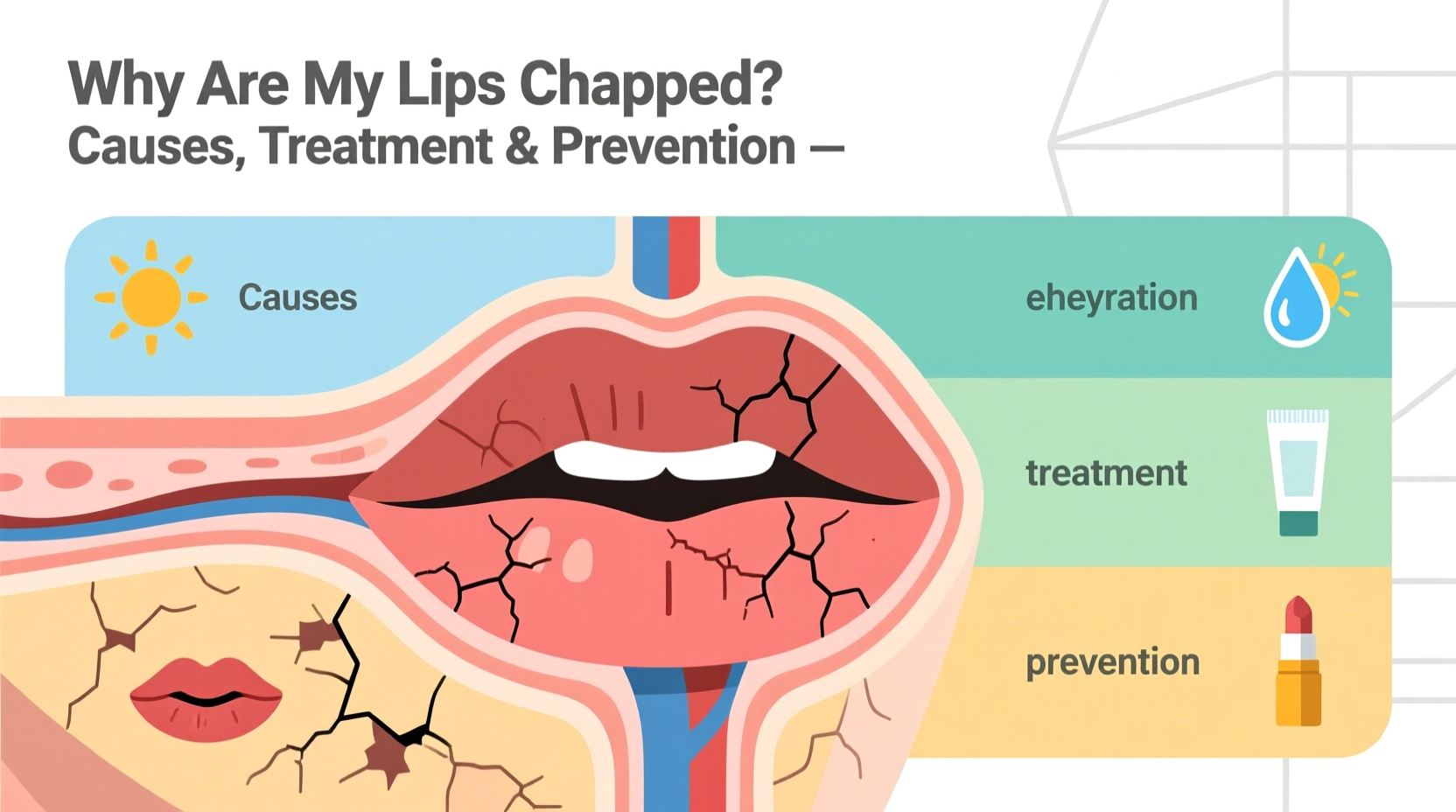
Chapped lips result from a combination of environmental, behavioral, and physiological factors. Identifying the trigger is the first step toward effective relief.
- Dry air: Low humidity, especially during winter or in air-conditioned environments, strips moisture from the lips.
- Dehydration: Not drinking enough water reduces overall skin hydration, including the delicate lip tissue.
- Lip licking: A common habit that worsens dryness—saliva evaporates quickly, leaving lips drier than before.
- Wind and sun exposure: UV rays and cold winds damage the lip barrier, increasing vulnerability to cracking.
- Allergies or irritants: Reactions to toothpaste, lipstick, or certain foods (like acidic fruits) can cause inflammation and peeling.
- Mouth breathing: Often due to nasal congestion, this exposes lips to constant airflow, accelerating moisture loss.
- Nutritional deficiencies: Low levels of vitamin B2 (riboflavin), B3 (niacin), B6, B12, iron, or zinc may contribute to chronic chapping.
Effective Treatments for Chapped Lips
Once chapping occurs, prompt and appropriate care can speed healing and reduce discomfort. The goal is to restore moisture, protect the surface, and prevent infection.
Immediate Relief Strategies
- Clean gently: Use lukewarm water and a soft cloth to remove debris without scrubbing.
- Apply emollient-rich balms: Look for ingredients like petrolatum, shea butter, ceramides, or beeswax, which form a protective seal.
- Use a humidifier: Adding moisture to indoor air helps prevent further drying overnight.
- Avoid irritants: Stop using products with menthol, camphor, or artificial fragrances, which can aggravate sensitivity.
When to Consider Medical Treatment
If chapping persists beyond two weeks despite home care, or if symptoms include bleeding, swelling, or white patches, consult a dermatologist. Conditions such as angular cheilitis (inflammation at the corners of the mouth), eczema, or fungal infections may require prescription treatments like topical steroids or antifungals.
“Persistent chapped lips shouldn’t be ignored—especially when accompanied by cracking at the corners of the mouth. It could indicate an underlying nutritional deficiency or chronic irritation.” — Dr. Lena Torres, Board-Certified Dermatologist
Prevention: Building a Sustainable Lip Care Routine
Preventing chapped lips involves consistent habits tailored to your lifestyle and environment. Unlike other skin areas, lips need frequent attention due to their thin structure and constant exposure.
Step-by-Step Guide to Daily Lip Protection
- Morning: Apply a broad-spectrum SPF 30 lip balm before going outside—even on cloudy days.
- Throughout the day: Reapply balm every 2–3 hours if exposed to wind or sun; carry a tube in your pocket or bag.
- Before bed: Use a thicker ointment (like pure petroleum jelly) to lock in moisture overnight.
- Hydrate: Drink at least 8 glasses of water daily to support overall skin health.
- Nourish: Eat a balanced diet rich in B vitamins, omega-3 fatty acids, and antioxidants.
Do’s and Don’ts: Quick Reference Table
| Do’s | Don’ts |
|---|---|
| Use fragrance-free, hypoallergenic lip products | Use lipsticks with alcohol or parabens |
| Stay hydrated with water and hydrating foods (e.g., cucumbers, oranges) | Skip drinking water because you’re “not thirsty” |
| Protect lips with a scarf in cold, windy weather | Bite or peel flaky skin off your lips |
| Treat allergies promptly if they affect oral tissues | Ignore persistent chapping lasting more than three weeks |
| Replace old lip products every 6–12 months | Share lip balms or glosses (risk of viral transmission) |
Real-Life Example: Sarah’s Winter Lip Struggle
Sarah, a 34-year-old teacher in Colorado, experienced severe lip cracking every winter. Despite using multiple lip balms, her condition worsened by February. After consulting a dermatologist, she discovered she was mildly deficient in vitamin B2 and had been unknowingly licking her lips due to anxiety. Her treatment plan included a B-complex supplement, switching to a non-flavored occlusive ointment, and using a bedside humidifier. Within three weeks, her lips healed completely. She now maintains a seasonal routine focused on early prevention.
Frequently Asked Questions
Can chapped lips be a sign of something serious?
Occasional chapping is normal, but chronic cases may point to nutrient deficiencies, autoimmune conditions (like lupus), or allergic contact dermatitis. If accompanied by swelling, sores, or scaling, seek medical evaluation.
Is it safe to use Vaseline on lips every day?
Yes. Petroleum jelly is non-comedogenic, hypoallergenic, and highly effective at sealing in moisture. Just ensure your lips are clean before application to avoid trapping bacteria.
Why do my lips chap even when I use balm regularly?
This often happens if the balm contains irritants or if underlying behaviors (like lip licking or mouth breathing) aren't addressed. Also, overuse of certain balms can reduce the lips’ natural ability to retain moisture.
Checklist: Your 7-Day Plan to Heal and Protect Chapped Lips
- ✔️ Replace all expired or irritating lip products
- ✔️ Start drinking one extra glass of water per day
- ✔️ Apply SPF lip balm each morning
- ✔️ Use a humidifier in your bedroom at night
- ✔️ Avoid licking or biting your lips
- ✔️ Eat foods rich in B vitamins (eggs, leafy greens, nuts)
- ✔️ Schedule a dermatology visit if no improvement in 10 days
Conclusion: Take Control of Your Lip Health
Chapped lips are more than just a cosmetic concern—they reflect how well you're protecting one of your body’s most vulnerable surfaces. By understanding the causes, applying science-backed treatments, and committing to long-term prevention, you can maintain soft, healthy lips all year. Small daily actions add up to lasting results. Don’t wait for discomfort to escalate—start building better habits today.
💬 Have a tip that helped heal your chapped lips? Share your experience below and help others find relief!