Many people notice that their knees appear disproportionately large or “fat” compared to the rest of their legs, even when they maintain a healthy weight or exercise regularly. While excess body fat can contribute, this symptom is often linked to an underlying medical condition—most notably lipedema. Unlike typical weight gain, lipedema affects fat distribution symmetrically in the legs, hips, and knees, leading to pain, tenderness, and swelling that doesn’t respond well to diet and exercise alone.
Understanding the root cause behind enlarged knees is essential for proper diagnosis and management. This article explores the physiological reasons behind knee fullness, differentiates lipedema from obesity and lymphedema, and outlines evidence-based treatment strategies to improve comfort, mobility, and quality of life.
What Causes the Appearance of \"Fat Knees\"?
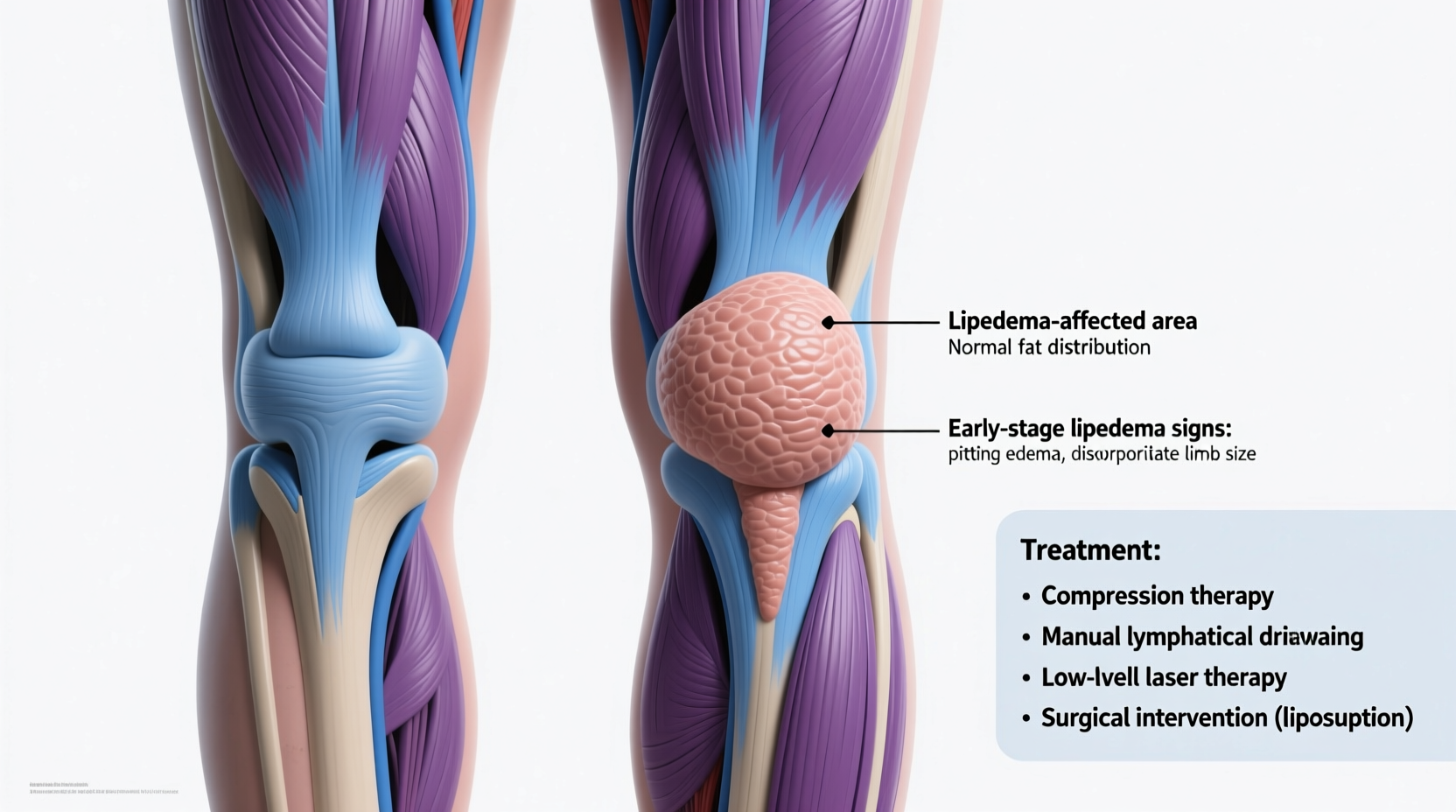
The perception of “fat knees” typically refers to soft, symmetrical enlargement around the knee area, especially just above and below the joint. This isn't usually localized fat accumulation but rather part of a broader pattern of abnormal adipose tissue deposition. Common contributing factors include:
- Lipedema: A chronic disorder involving painful, disproportionate fat buildup in the lower limbs, often sparing the feet.
- Water Retention (Edema): Fluid accumulation due to venous insufficiency, heart conditions, or prolonged standing.
- Obesity-Related Fat Distribution: Generalized weight gain may accentuate knee size, but it’s typically proportional across the body.
- Osteoarthritis with Joint Effusion: Swelling within the knee joint due to inflammation or injury.
- Hormonal Changes: Estrogen fluctuations during menopause or pregnancy can influence fluid balance and fat storage.
Lipedema stands out because it presents with specific clinical features: tenderness to touch, easy bruising, and a “cushion-like” texture of the skin that remains unaffected by calorie restriction.
Tip: If your legs feel heavy, bruise easily, and don’t slim down despite dieting, consider consulting a specialist familiar with lipedema.Understanding Lipedema: More Than Just Weight Gain
Lipedema is a frequently misdiagnosed condition affecting up to 17% of women worldwide, though it can also occur in men. It usually begins or worsens during hormonal shifts such as puberty, pregnancy, or menopause. The hallmark is bilateral, symmetrical fat accumulation from the hips down to the ankles, creating a column-like appearance where the feet remain unaffected—a key diagnostic clue.
Unlike regular adipose tissue, lipedema fat is fibrotic, painful, and resistant to lifestyle interventions. Over time, untreated lipedema can impair lymphatic function, leading to secondary lymphedema (known as lipo-lymphedema), further increasing swelling and infection risk.
“Lipedema is not laziness or poor diet—it's a legitimate medical disorder requiring specialized care.” — Dr. Karen Herbst, MD, PhD, Internationally Recognized Lipedema Specialist
Stages of Lipedema Progression
| Stage | Description | Symptoms |
|---|---|---|
| Stage I | Smooth skin surface; fat deposits feel nodular beneath | Mild swelling, tenderness, early fatigue in legs |
| Stage II | Visible indentations (orange-peel texture); increased nodule size | Pronounced swelling, bruising, reduced mobility |
| Stage III | Large lobules of fat deform limbs; skin may hang | Severe pain, skin changes, early signs of lymphedema |
| Stage IV | Lipo-lymphedema: combination of lipedema and lymphatic failure | Chronic swelling, recurrent infections, impaired wound healing |
Evidence-Based Treatment Options for Lipedema
While there is no cure for lipedema, several therapies can significantly reduce symptoms, slow progression, and enhance daily functioning. Early intervention yields the best outcomes.
1. Complete Decongestive Therapy (CDT)
This gold-standard approach combines manual lymphatic drainage (MLD), compression garments, skincare, and remedial exercises. CDT reduces fluid buildup, improves circulation, and helps manage pain.
2. Compression Garments
Medical-grade stockings apply graduated pressure to prevent fluid reaccumulation. They should be custom-fitted and worn daily. Types include flat-knit (for advanced stages) and round-knit (for milder cases).
3. Lifestyle Modifications
Diet and movement play supportive roles. Anti-inflammatory diets low in processed sugars and rich in lean proteins, vegetables, and healthy fats help minimize systemic inflammation. Low-impact activities like swimming, cycling, and walking promote lymph flow without stressing joints.
4. Liposuction (Water-Jet Assisted or Tumescent)
For moderate to severe cases, tumescent liposuction under local anesthesia can remove diseased fat tissue. Studies show sustained improvement in pain, mobility, and limb volume when performed by trained specialists. It does not replace conservative therapy but complements it.
5. Pharmacological Support
No FDA-approved drugs specifically target lipedema, but some patients benefit from medications that support vascular health (e.g., horse chestnut extract) or reduce inflammation. Diuretics are generally ineffective and discouraged unless true edema coexists.
Tip: Seek a certified lymphedema therapist or vascular specialist with experience in lipedema for accurate diagnosis and tailored treatment plans.Step-by-Step Guide to Managing Knee Fullness Due to Lipedema
- Recognize the Symptoms: Note tenderness, symmetry, and resistance to weight loss in the legs.
- Consult a Specialist: Visit a phlebologist, lymphologist, or dermatologist experienced in fat disorders.
- Get Diagnosed: Undergo clinical evaluation and possibly imaging (MRI or ultrasound) to rule out other conditions.
- Begin Conservative Therapy: Start wearing compression garments and schedule MLD sessions.
- Adopt Supportive Habits: Incorporate anti-inflammatory nutrition and gentle exercise into your routine.
- Consider Advanced Interventions: Discuss surgical options if conservative methods provide limited relief after 6–12 months.
- Monitor Long-Term: Maintain follow-ups to adjust treatment as needed and prevent complications.
Frequently Asked Questions
Can lipedema affect only the knees?
No, lipedema always affects both legs symmetrically and typically extends from the hips to the ankles. However, the knee region often shows prominent fullness due to fatty deposits above and below the joint, giving the illusion of isolated knee enlargement.
Is lipedema the same as lymphedema?
No. Lymphedema results from impaired lymphatic drainage and causes non-pitting or pitting edema, often asymmetrically. Lipedema involves abnormal fat growth and is painful and symmetrical. Secondary lymphedema can develop later in lipedema patients, complicating the picture.
Will losing weight eliminate lipedema-related knee swelling?
Diet and exercise rarely reduce lipedema fat, though overall health improves. Patients often report frustration after significant weight loss with little change in leg size. This resistance to slimming is a hallmark of the disease.
Real-Life Example: Sarah’s Journey with Lipedema
Sarah, a 42-year-old teacher, struggled for years with heavy, painful legs she assumed were due to being overweight. Despite consistent cardio and a balanced diet, her knees and thighs remained swollen and tender. She avoided shorts and tight clothing, embarrassed by her appearance. After seeing a vascular specialist, she was diagnosed with Stage II lipedema.
She began wearing compression leggings, received weekly manual lymphatic drainage, and adopted a low-inflammatory eating plan. Within four months, her leg discomfort decreased by 60%, and she reported feeling lighter and more confident. After a year of stable progress, she underwent water-jet assisted liposuction on her lower limbs, resulting in improved contour and sustained symptom relief.
Sarah now advocates for greater awareness of lipedema, emphasizing that early diagnosis transformed her quality of life.
Conclusion: Take Control of Your Leg Health
“Fat knees” may signal more than cosmetic concern—they could point to a chronic condition like lipedema that demands medical attention. Mislabeling it as simple weight gain delays proper care and increases emotional distress. By recognizing the signs early and pursuing targeted treatments, individuals can regain comfort, mobility, and confidence.
💬 Your story matters. If you’ve experienced unexplained leg swelling or suspect lipedema, share your journey in the comments to help others feel less alone and more informed.








