Itchy hands at night can disrupt sleep, cause frustration, and even lead to skin damage from excessive scratching. While occasional dryness is normal, persistent nighttime itching may signal an underlying condition. Understanding the root causes���ranging from environmental factors to systemic health issues—is essential for finding long-term relief. This guide explores the most common reasons behind nocturnal hand itchiness, offers science-backed treatments, and provides practical strategies to restore comfort and improve sleep quality.
Common Causes of Itchy Hands at Night
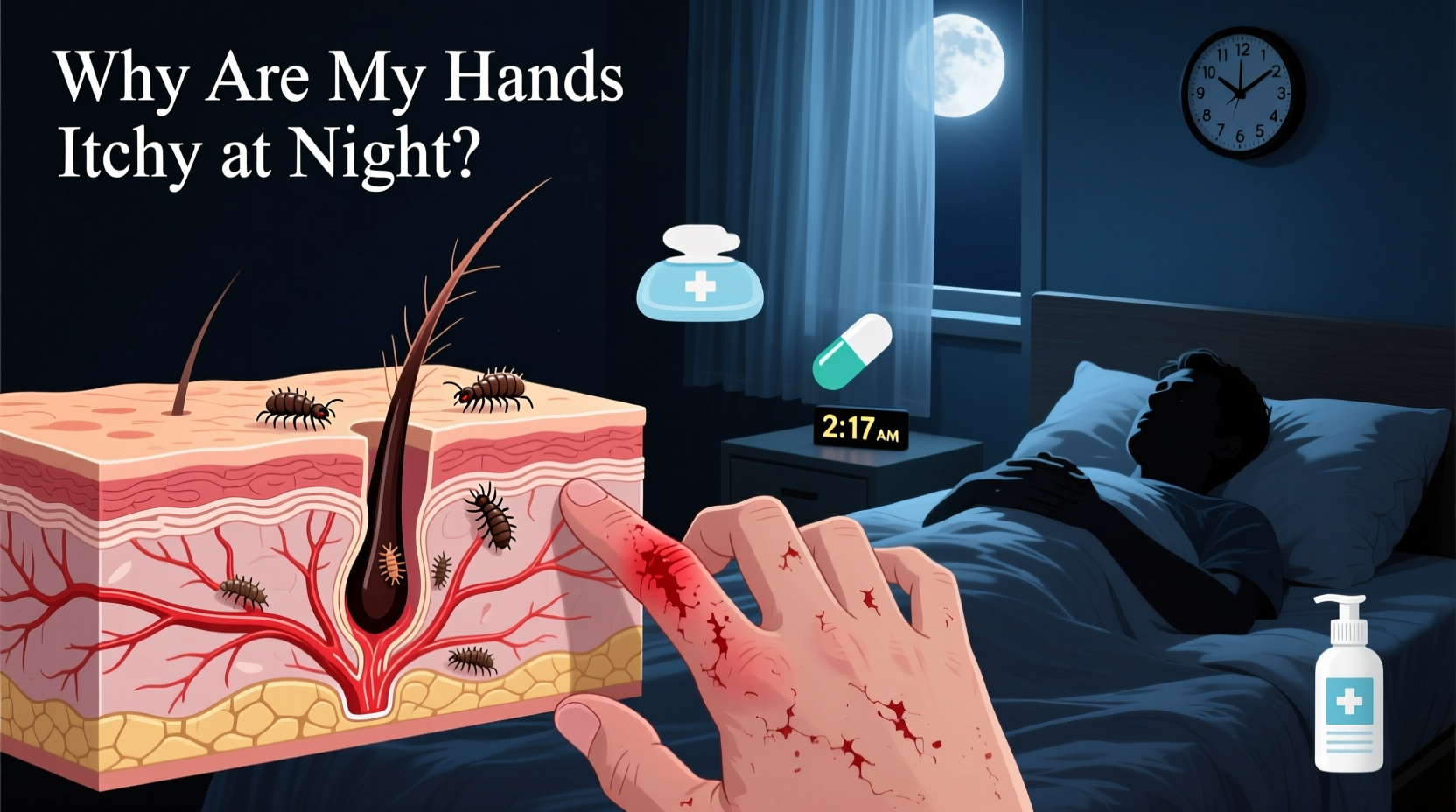
Nighttime itching isn't random. The body undergoes physiological changes after dark that can amplify sensations like itchiness. Several conditions specifically worsen at night due to circadian rhythms, reduced distractions, and increased skin temperature under bedding.
- Dry Skin (Xerosis): Low humidity, especially in heated indoor environments during winter, strips moisture from the skin. At night, with less movement and hydration, dryness intensifies.
- Eczema (Atopic Dermatitis): A chronic inflammatory skin condition often affecting the hands. Itch signals increase at night due to elevated levels of pro-inflammatory cytokines.
- Allergic Reactions: Contact with allergens such as nickel, fragrances, latex, or cleaning products can trigger delayed hypersensitivity reactions that peak hours later—often at bedtime.
- Psoriasis: An autoimmune disorder causing thick, scaly patches on the skin, frequently on hands and fingers. Itching may worsen when body heat rises during sleep.
- Nerve-Related Conditions: Neuropathy from diabetes, carpal tunnel syndrome, or nerve compression can manifest as burning or itching sensations, particularly noticeable when lying still.
- Pregnancy (Cholestasis): In rare cases, intrahepatic cholestasis of pregnancy causes intense itching, especially on palms and soles, typically worsening at night.
- Scabies: A parasitic infestation by mites burrowing into the skin. Intense itching occurs primarily at night due to mite activity.
Why Itching Worsens at Night
The human body follows a circadian rhythm that influences hormone levels, immune response, and skin function. Several biological factors contribute to increased itch perception after dark:
- Reduced Distractions: During the day, sensory input distracts the brain from minor discomforts. At night, with fewer stimuli, the brain becomes more attuned to itch signals.
- Increased Body Temperature: Core temperature rises slightly at night, causing blood vessels to dilate and skin to become warmer—this can stimulate nerve endings linked to itching.
- Hormonal Shifts: Cortisol, a natural anti-inflammatory hormone, decreases at night, reducing the body’s ability to suppress inflammation and itch.
- Keratinocyte Activity: Skin cells release more inflammatory mediators like histamine during nighttime hours, exacerbating itch in sensitive individuals.
“Nighttime pruritus is not just psychological—it has measurable biochemical drivers. Histamine levels can rise by up to 30% in the evening compared to morning.” — Dr. Lena Torres, Dermatology Researcher, Mayo Clinic
Effective Relief and Treatment Options
Treatment depends on identifying the underlying cause. However, several general and targeted approaches can bring rapid relief.
Maintain Optimal Skin Hydration
Dry skin is the most frequent culprit. Daily moisturizing with occlusive agents prevents water loss.
- Apply thick emollients like petroleum jelly, ceramide-based creams, or shea butter immediately after washing hands.
- Use fragrance-free, hypoallergenic moisturizers to avoid irritation.
- Consider overnight occlusion: apply cream and wear cotton gloves to lock in moisture.
Medicated Treatments
For diagnosed conditions like eczema or psoriasis, prescription or over-the-counter medications may be necessary.
| Condition | Treatment | Frequency |
|---|---|---|
| Eczema | Topical corticosteroids (e.g., hydrocortisone 1%) | Once or twice daily, short-term |
| Psoriasis | Vitamin D analogs (calcipotriene), salicylic acid | As directed by dermatologist |
| Allergic Reaction | Oral antihistamines (e.g., cetirizine, loratadine) | Evening dose to reduce nighttime itch |
| Scabies | Permethrin 5% cream | Applied overnight, repeated in 7 days |
Lifestyle Adjustments
Environmental control plays a critical role in managing chronic hand itch.
- Avoid harsh soaps and detergents; opt for pH-balanced, sulfate-free cleansers.
- Wear protective gloves when handling chemicals, soil, or cleaning agents.
- Run a humidifier in the bedroom to maintain 40–60% humidity.
- Wash bedding weekly in fragrance-free detergent to eliminate potential allergens.
Step-by-Step Evening Routine for Itch Prevention
Consistency is key. Follow this nightly protocol to minimize flare-ups:
- Wash hands gently: Use lukewarm water and a mild, fragrance-free soap. Pat dry—do not rub.
- Apply medicated cream (if prescribed): Target affected areas with appropriate topical treatment.
- Layer on moisturizer: Use a thick, oil-based ointment while skin is still damp.
- Wear cotton gloves: Prevents moisture loss and reduces unconscious scratching during sleep. <5> Take an oral antihistamine (if needed): Non-drowsy formulas during the day; sedating ones (like diphenhydramine) only at night if approved by a doctor.
- Cool the room: Maintain bedroom temperature below 68°F (20°C) to reduce skin overheating.
Mini Case Study: Managing Chronic Hand Eczema
Sarah, a 34-year-old nurse, began experiencing intense itching on her palms and fingers every night. Despite using hand sanitizer multiple times per shift, she noticed cracking and redness worsening over weeks. After consulting a dermatologist, she was diagnosed with irritant contact dermatitis exacerbated by frequent handwashing and glove use.
Her treatment plan included switching to a non-latex, powder-free glove, using a ceramide-rich hand cream after each wash, and applying prescription tacrolimus ointment at bedtime. She also started wearing cotton gloves overnight. Within three weeks, her symptoms improved significantly, and nighttime itching ceased.
This case highlights how occupational exposure combined with poor skincare habits can trigger chronic itch—and how targeted interventions yield fast results.
When to See a Doctor
While many causes of itchy hands are manageable at home, certain signs warrant medical evaluation:
- Persistent itching lasting more than two weeks despite self-care
- Visible rash, blisters, or open sores
- Signs of infection (pus, swelling, warmth)
- Itching accompanied by numbness or tingling (possible neuropathy)
- Systemic symptoms like fatigue, weight loss, or jaundice (liver concerns)
A dermatologist can perform patch testing for allergies, assess for autoimmune conditions, or refer to a neurologist if nerve involvement is suspected.
Frequently Asked Questions
Can stress cause my hands to itch at night?
Yes. Stress activates the nervous system and increases inflammatory markers, which can trigger or worsen skin conditions like eczema and psoriasis. Psychological stress may also lead to habitual scratching, creating a cycle of irritation.
Is it safe to use hydrocortisone cream on my hands long-term?
No. Prolonged use of topical steroids on thin hand skin can cause atrophy, discoloration, or telangiectasia (visible blood vessels). Limit use to short courses (1–2 weeks) unless directed otherwise by a physician.
Why do my palms and fingertips itch but not the back of my hands?
The palms have a high concentration of sweat glands and nerve endings, making them more sensitive to irritants and allergens. Conditions like dyshidrotic eczema or cholestatic pruritus specifically target palms and soles.
Conclusion: Take Control of Nighttime Itch
Itchy hands at night are more than a minor annoyance—they can affect sleep, mood, and overall well-being. By understanding the underlying causes, adopting a consistent care routine, and knowing when to seek help, you can regain comfort and restful nights. Small changes in hygiene, moisturizing habits, and environmental control often make a dramatic difference. Don’t ignore persistent symptoms; early intervention prevents complications and improves outcomes.
💬 Have you found a solution that works for your nighttime hand itch? Share your experience in the comments to help others discover effective relief strategies.








