Finger locking is more than just an occasional annoyance—it can signal underlying health conditions affecting hand function. When a finger catches, clicks, or becomes stuck in a bent position, it disrupts daily tasks like typing, gripping objects, or even buttoning a shirt. While it may seem minor at first, persistent locking often points to mechanical or inflammatory issues within the tendons or joints. Understanding the root causes, recognizing early symptoms, and knowing which treatments work best can prevent long-term stiffness and loss of mobility.
What Causes Finger Locking?
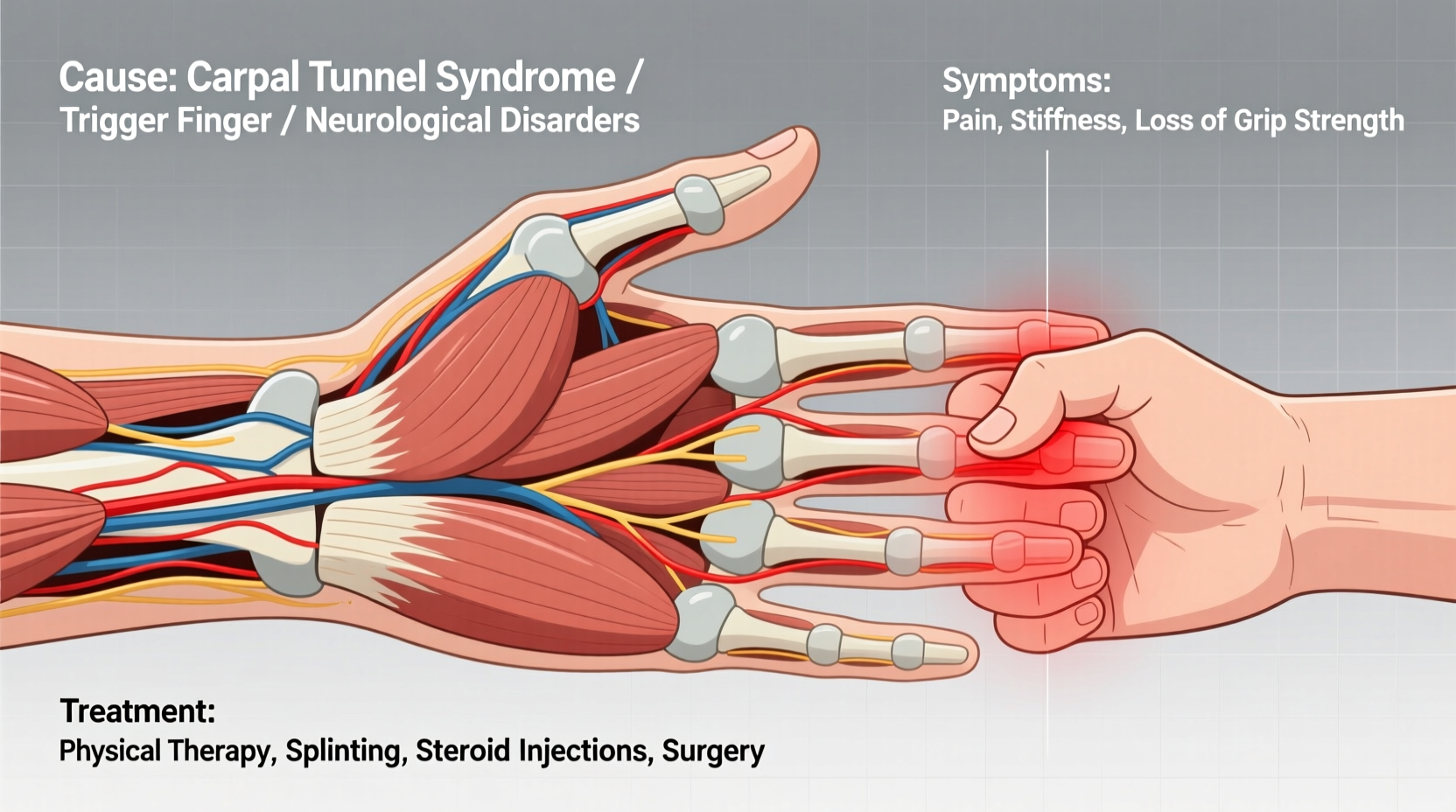
Finger locking typically occurs when the flexor tendons—responsible for bending the fingers—fail to glide smoothly through their protective sheaths. This malfunction leads to catching, snapping, or complete immobilization. Several medical conditions contribute to this problem, with some being far more common than others.
- Trigger Finger (Stenosing Tenosynovitis): The most frequent cause, especially among people who perform repetitive gripping actions. Inflammation narrows the tendon sheath, forming nodules that catch as the tendon moves.
- Osteoarthritis: Wear-and-tear damage to cartilage alters joint mechanics, sometimes leading to bone spurs that interfere with movement.
- Rheumatoid Arthritis: Autoimmune inflammation affects synovial tissue around tendons and joints, increasing swelling and risk of entrapment.
- Diabetes: High blood sugar levels promote fibrosis in connective tissues, raising susceptibility to trigger finger by up to 20% in diabetic patients.
- Repetitive Motion Injuries: Occupations or hobbies involving prolonged tool use, typing, or instrument playing increase friction and microtrauma in tendons.
Symptoms That Signal a Problem
Early detection improves outcomes significantly. Symptoms often begin subtly but worsen without intervention. Common signs include:
- A popping or clicking sensation when moving the finger
- Pain at the base of the affected finger, near the palm
- Stiffness, particularly in the morning
- The finger locking in a bent position, requiring manual straightening
- Tenderness or a small lump in the palm
In advanced cases, the locking becomes constant, and the finger may remain bent unless forced back into place. Over time, this can lead to permanent contracture if left untreated.
Diagnosis and Medical Evaluation
Doctors diagnose finger locking through physical examination and patient history. They assess range of motion, pinpoint pain locations, and check for visible swelling or nodules. Imaging is not always necessary, but ultrasound or MRI may be used to visualize tendon thickening or sheath constriction.
“Persistent finger locking shouldn’t be ignored. Early conservative management can prevent the need for surgery in over 70% of trigger finger cases.” — Dr. Lena Patel, Hand Specialist and Orthopedic Surgeon
Blood tests might be ordered if systemic conditions like rheumatoid arthritis or diabetes are suspected. Accurate diagnosis ensures appropriate treatment, avoiding unnecessary procedures or delays.
Treatment Options: From Rest to Surgery
Treatment depends on severity, underlying condition, and response to initial therapies. Most cases improve with non-invasive approaches, but some require surgical release.
Conservative Treatments
- Rest and Activity Modification: Avoid repetitive gripping motions. Use ergonomic tools to reduce strain.
- Stretching Exercises: Gentle daily stretches maintain flexibility and prevent adhesions.
- Anti-inflammatory Medications: NSAIDs like ibuprofen help reduce pain and swelling.
- Hot and Cold Therapy: Heat relaxes tight tendons; ice reduces acute inflammation.
- Corticosteroid Injections: Direct injection into the tendon sheath can resolve symptoms in 50–75% of patients, especially in early-stage trigger finger.
Surgical Intervention
When conservative methods fail after several weeks, a minor outpatient procedure called percutaneous trigger finger release may be recommended. A doctor uses a needle to cut the constricted portion of the tendon sheath, allowing free movement. Open surgery is less common but used in complex cases.
| Treatment | Effectiveness | Recovery Time | Risks |
|---|---|---|---|
| Rest & Stretching | Mild cases: High | Days to weeks | Low |
| Corticosteroid Injection | ~60–75% success rate | 1–2 weeks | Infection, tendon weakening |
| Percutaneous Release | Over 90% success | 1–2 weeks | Nerve injury (rare) |
| Open Surgery | Near 100% resolution | 2–6 weeks | Scarring, longer recovery |
Real-Life Example: A Musician’s Recovery
James, a 48-year-old guitarist, began noticing his ring finger would occasionally lock mid-chord. At first, he dismissed it as fatigue. Within three months, the catching became painful and frequent, disrupting rehearsals. After visiting a hand clinic, he was diagnosed with early-stage trigger finger linked to repetitive string bending during solos.
His treatment plan included two weeks of complete rest from playing, daily stretching routines, and one corticosteroid injection. He also switched to lighter-gauge strings and modified his technique to reduce grip pressure. Within six weeks, his symptoms resolved entirely. James now performs preventive hand exercises before every practice session.
Prevention Checklist
Reducing the risk of finger locking involves proactive care. Follow this checklist to protect hand health:
- ✅ Take breaks during repetitive hand activities every 30–45 minutes
- ✅ Perform hand and finger stretches daily
- ✅ Use ergonomically designed tools and keyboards
- ✅ Manage chronic conditions like diabetes and arthritis effectively
- ✅ Apply heat before activity and ice after prolonged use
- ✅ Seek medical advice at the first sign of catching or pain
Frequently Asked Questions
Can finger locking go away on its own?
Minor cases related to temporary overuse may improve with rest and self-care. However, persistent locking usually indicates structural changes that won’t resolve without treatment. Ignoring symptoms can lead to worsening stiffness and reduced function.
Is finger locking a sign of something serious?
While not life-threatening, it can reflect underlying conditions like diabetes, rheumatoid arthritis, or carpal tunnel syndrome. Chronic locking should prompt evaluation to rule out systemic disease or irreversible tendon damage.
How long does recovery take after treatment?
With conservative care, improvement often occurs within 2–6 weeks. Post-injection relief may be immediate or take a few days. Surgical recovery varies: percutaneous release allows return to light activities in days, while open surgery may require several weeks of limited use.
Conclusion: Take Action Before It Gets Worse
Finger locking is not something to push through or ignore. Whether caused by repetitive strain, arthritis, or metabolic conditions, the issue tends to progress without proper care. The good news is that most cases respond well to early intervention—simple changes in habits, targeted exercises, or timely medical treatment can restore full function.
If you’ve noticed your fingers catching, clicking, or resisting movement, act now. Start with rest and gentle stretching. Monitor symptoms closely. If there’s no improvement within a couple of weeks, consult a healthcare provider. With the right approach, you can regain smooth, pain-free hand movement and prevent future complications.
💬 Have you experienced finger locking? Share your story or questions below—your experience could help someone find relief faster.








