Yellowing of the eyes—specifically the whites (sclera)—is a visible sign that something may be off internally. Often referred to as jaundice, this condition occurs when bilirubin, a yellow pigment produced during the normal breakdown of red blood cells, accumulates in the blood. While mild cases can resolve on their own, persistent or worsening eye discoloration should never be ignored. Understanding the root causes, appropriate medical treatments, and supportive remedies is essential for timely intervention and long-term health.
Understanding Jaundice: The Science Behind Yellow Eyes
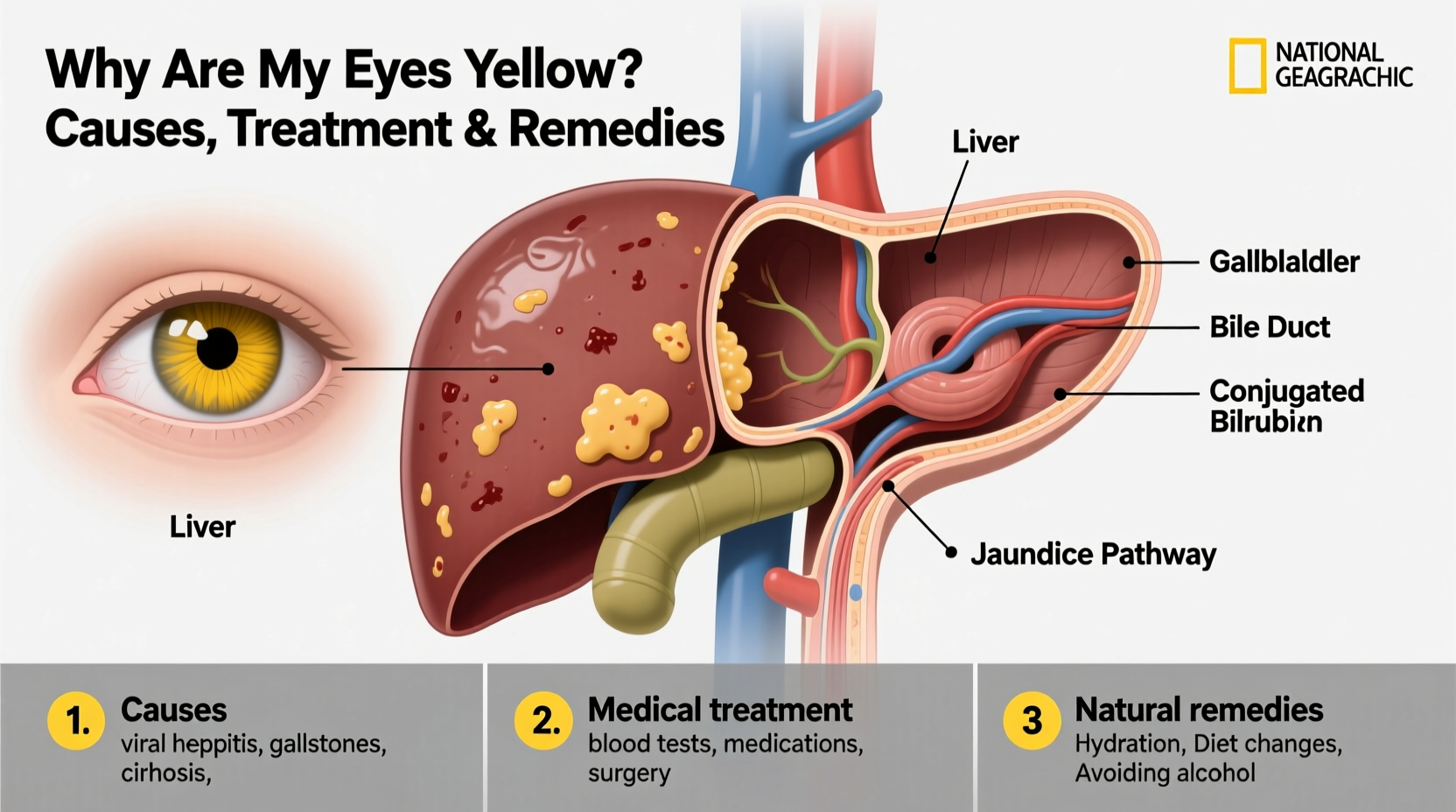
The human body continuously recycles red blood cells. When these cells break down, hemoglobin is converted into bilirubin. Normally, the liver processes bilirubin by binding it (conjugating) and excreting it through bile into the intestines. If this process is disrupted—due to liver dysfunction, excessive red cell destruction, or bile duct obstruction—bilirubin builds up in the bloodstream. This excess bilirubin deposits in tissues, particularly those with high elastin content like the sclera, leading to a yellow tint.
Jaundice is not a disease itself but a symptom of an underlying issue. It can affect people of all ages, from newborns experiencing physiological jaundice to adults with chronic liver conditions. The intensity of yellowing often correlates with bilirubin levels—mild elevations may only affect the eyes, while severe cases turn the skin yellow as well.
“Jaundice is a critical warning sign. When someone notices yellow eyes, it’s time to evaluate liver function—not wait.” — Dr. Lena Patel, Hepatologist at Boston Medical Center
Common Causes of Yellow Eyes
The causes of yellow eyes range from benign and temporary to serious and life-threatening. Identifying potential triggers helps determine whether immediate medical attention is necessary.
- Liver diseases: Hepatitis (viral, alcoholic, autoimmune), cirrhosis, and fatty liver disease impair the liver’s ability to process bilirubin.
- Bile duct obstruction: Gallstones, tumors, or strictures can block bile flow, causing conjugated bilirubin to back up into the blood.
- Hemolytic anemia: Conditions that accelerate red blood cell destruction—such as sickle cell disease or autoimmune hemolysis—overwhelm the liver with unconjugated bilirubin.
- Medications and toxins: Certain drugs (e.g., acetaminophen overdose, statins, antibiotics) and alcohol abuse can cause hepatotoxicity.
- Genetic disorders: Gilbert’s syndrome, a common and usually harmless condition, leads to intermittent mild jaundice due to reduced enzyme activity.
- Newborn jaundice: Common in infants due to immature liver function; typically resolves within weeks.
Medical Diagnosis and Testing
Diagnosing the cause of yellow eyes involves a combination of clinical evaluation and laboratory testing. Doctors typically begin with a physical exam, checking for additional signs such as abdominal tenderness, enlarged liver, or dark urine.
Blood tests are central to diagnosis:
| Test | Purpose | What Results Indicate |
|---|---|---|
| Liver Function Tests (LFTs) | Measure enzymes (ALT, AST), proteins, and bilirubin levels | Elevated ALT/AST suggest liver damage; high bilirubin confirms jaundice |
| Complete Blood Count (CBC) | Assesses red blood cell count and hemolysis markers | Low hemoglobin and high reticulocyte count point to hemolytic anemia |
| Imaging (Ultrasound, CT, MRI) | Visualizes liver, gallbladder, and bile ducts | Detects gallstones, tumors, or structural abnormalities |
| Viral Hepatitis Panel | Tests for hepatitis A, B, C, etc. | Identifies infectious causes of liver inflammation |
In some cases, a liver biopsy may be needed to assess tissue damage, especially if cirrhosis or autoimmune hepatitis is suspected.
Treatment Options Based on Cause
Effective treatment depends entirely on identifying the underlying cause. There is no one-size-fits-all solution for yellow eyes.
Liver Inflammation or Disease
Viral hepatitis may require antiviral medications (e.g., interferon for hepatitis B/C). Alcoholic hepatitis demands complete abstinence from alcohol and nutritional support. Non-alcoholic fatty liver disease benefits from weight loss, diabetes control, and exercise.
Bile Duct Obstruction
Gallstones blocking the bile duct may be removed via endoscopic retrograde cholangiopancreatography (ERCP). Tumors might require surgery, chemotherapy, or stent placement.
Hemolytic Anemia
Treatment includes corticosteroids, immunosuppressants, or blood transfusions depending on severity and cause. Autoimmune hemolysis often responds to prednisone.
Drug-Induced Liver Injury
Discontinuation of the offending medication is crucial. In acetaminophen overdose, N-acetylcysteine (NAC) is administered promptly to prevent liver failure.
Gilbert’s Syndrome
No treatment is needed. Patients are advised to avoid fasting, dehydration, and excessive stress, which can trigger mild jaundice episodes.
Newborn Jaundice
Phototherapy using blue-spectrum light helps break down bilirubin in infants. Severe cases may require exchange transfusion.
Natural Remedies and Supportive Care
While natural approaches cannot cure underlying liver disease, they may support liver function and overall wellness when used alongside medical treatment.
- Milk thistle (silymarin): Some studies suggest antioxidant properties that may protect liver cells. However, evidence is mixed, and it should not replace prescribed therapy.
- Hydration: Drinking adequate water supports detoxification pathways and prevents bilirubin concentration.
- Healthy diet: Emphasize whole grains, leafy greens, lean proteins, and cruciferous vegetables. Avoid processed foods and added sugars.
- Liver-supportive nutrients: Include foods rich in vitamin E, selenium, and omega-3 fatty acids, which have anti-inflammatory effects.
Step-by-Step Guide: What to Do If Your Eyes Turn Yellow
- Observe other symptoms: Note fatigue, abdominal pain, dark urine, pale stools, or fever.
- Avoid self-diagnosis: Do not assume it's “just Gilbert’s” without testing.
- Stop alcohol and non-essential medications: Reduce liver burden until evaluated.
- Schedule a doctor’s visit: Request liver function tests and a physical exam.
- Follow up with specialists if needed: A gastroenterologist or hepatologist may be required for complex cases.
- Adopt liver-friendly habits: Eat clean, stay hydrated, exercise moderately, and avoid toxins.
Mini Case Study: Recognizing Early Warning Signs
Mark, a 42-year-old software engineer, noticed his eyes looked slightly yellow after a week of poor sleep and heavy takeout meals. He initially dismissed it as fatigue. But when his urine turned dark and he felt persistently nauseous, he visited his GP. Blood tests revealed elevated ALT and bilirubin levels. An ultrasound showed fatty liver and mild bile duct dilation. After eliminating alcohol, adopting a Mediterranean diet, and losing 15 pounds over three months, Mark’s liver values normalized and the yellowing disappeared. His case highlights how lifestyle factors can contribute to liver stress—and how early action prevents progression.
Prevention Checklist
To reduce the risk of developing yellow eyes due to liver or blood disorders, follow this checklist:
- ✅ Limit alcohol consumption or abstain completely
- ✅ Get vaccinated against hepatitis A and B
- ✅ Practice safe food hygiene to avoid hepatitis A
- ✅ Maintain a healthy weight and manage metabolic conditions
- ✅ Avoid sharing needles or personal items like razors
- ✅ Review medications regularly with your doctor
- ✅ Stay hydrated and eat a balanced, low-processed diet
Frequently Asked Questions
Can dehydration cause yellow eyes?
Dehydration alone doesn’t cause true jaundice, but it can concentrate bilirubin and make mild yellowing more noticeable. Rehydrating may improve appearance temporarily, but the underlying cause must still be investigated.
Is yellow eyes always a sign of liver problems?
Most commonly, yes—but not exclusively. Hemolytic anemia and bile duct issues also lead to jaundice. Rarely, excessive beta-carotene from carrots or supplements can yellow the skin (but not the eyes), a condition called carotenemia.
How long does it take for yellow eyes to go away?
It depends on the cause. Viral hepatitis may resolve in weeks to months. Chronic conditions like cirrhosis require ongoing management. With proper treatment, improvement is often seen within 2–6 weeks.
Conclusion: Take Action Before It’s Too Late
Yellow eyes are more than a cosmetic concern—they’re a physiological signal that your body needs attention. Whether the cause is temporary or serious, early evaluation improves outcomes dramatically. Don’t wait for symptoms to worsen. Use this knowledge to advocate for your health, seek professional guidance, and adopt habits that support liver resilience. Your eyes might just be telling you what your body already knows.
�� Your health matters. Have you or someone you know experienced yellow eyes? Share your story or questions below to help others recognize the signs early.








