
Itchy eyes are a common complaint that affects millions of people every year. While often dismissed as a minor irritation, persistent eye itching can significantly disrupt daily life—impairing concentration, sleep, and overall well-being. The sensation typically arises from inflammation or irritation of the conjunctiva, the thin membrane covering the white part of the eye and inner eyelids. Understanding the root cause is essential for choosing the right treatment and achieving lasting relief.
Common Causes of Itchy Eyes
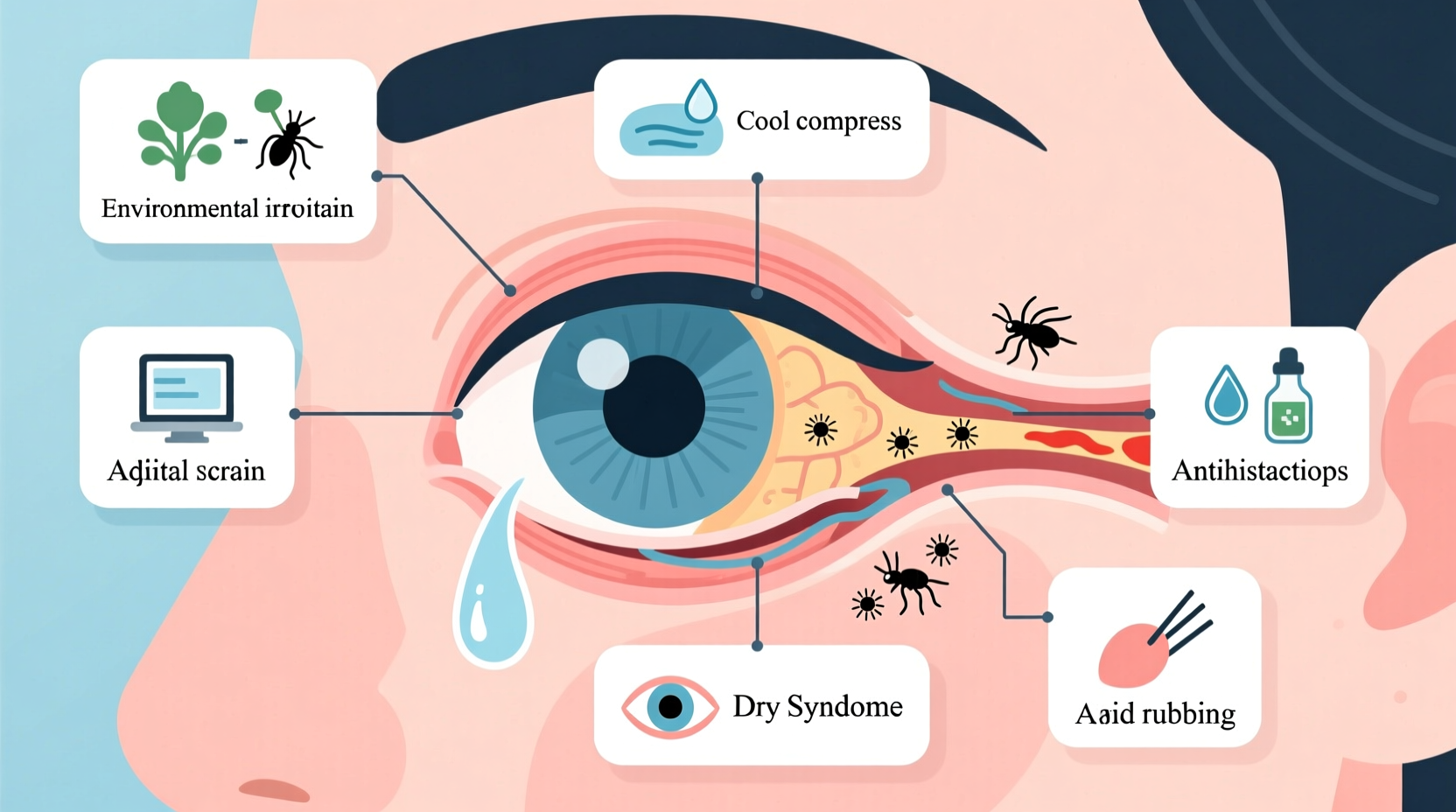
Eye itchiness rarely occurs in isolation. It’s usually a symptom of an underlying condition or environmental exposure. Identifying the trigger is the first step toward effective management.
- Allergies: Seasonal allergic conjunctivitis (SAC) is the most frequent culprit. Pollen, mold spores, dust mites, and pet dander prompt the immune system to release histamines, causing itching, redness, and watery eyes.
- Dry Eye Syndrome: Insufficient tear production or poor tear quality leads to dry, gritty, and often itchy eyes. This is increasingly common with prolonged screen use and aging.
- Eye Infections: Bacterial or viral conjunctivitis (commonly known as \"pink eye\") can cause itching, though it's usually accompanied by discharge, crusting, and swelling.
- Blepharitis: Inflammation of the eyelid margins, often due to bacterial overgrowth or skin conditions like rosacea, results in itchy, flaky eyelids.
- Contact Lens Irritation: Wearing lenses too long, using improper solutions, or sleeping in them can lead to mechanical and chemical irritation.
- Environmental Irritants: Smoke, air pollution, chlorine in pools, and strong fragrances can all provoke eye discomfort and itching.
- Digital Eye Strain: Extended screen time reduces blink rate, leading to dryness and secondary itching.
Effective Relief Strategies
Immediate relief is often possible with simple, non-invasive measures. These approaches reduce inflammation and soothe irritated tissues without medication.
- Cold Compress: Apply a clean, damp cloth chilled in the refrigerator over closed eyes for 5–10 minutes. Cold constricts blood vessels and numbs nerve endings, reducing both itch and swelling.
- Avoid Rubbing: As tempting as it may be, rubbing worsens inflammation and risks corneal abrasions or introducing bacteria.
- Artificial Tears: Preservative-free lubricating eye drops help flush out allergens and restore moisture. Use frequently throughout the day, especially in dry or polluted environments.
- Humidify Indoor Air: Dry indoor air from heating or air conditioning exacerbates dry eye symptoms. A cool-mist humidifier adds moisture, particularly helpful during winter months.
- Rinse After Exposure: After being outdoors during high pollen counts, rinse your face and consider using saline eye wash to remove allergens.
When Allergies Are the Culprit
If seasonal or perennial allergies are behind your itchy eyes, proactive management is key. Start treatment before peak allergy season begins if possible.
| Approach | Effectiveness | Notes |
|---|---|---|
| Antihistamine Eye Drops | High | Examples: ketotifen (Zaditor), olopatadine (Pataday). Work within minutes. |
| Oral Antihistamines | Moderate | May dry eyes further; best combined with lubricants. |
| Nasal Steroid Sprays | High (indirect) | Reduce overall allergic response; e.g., fluticasone (Flonase). |
| Allergen Avoidance | Preventive | Keep windows closed, use HEPA filters, shower after outdoor exposure. |
“Patients who start antihistamine eye drops early in allergy season report 70% less ocular discomfort.” — Dr. Lena Torres, Ophthalmologist & Allergy Specialist
Medical Treatments and When to Seek Help
While most cases of itchy eyes resolve with self-care, some require medical intervention. Persistent or worsening symptoms should not be ignored.
See an eye care professional if you experience:
- Severe pain or light sensitivity
- Blurred vision or vision changes
- Thick discharge or crusting
- Symptoms lasting more than two weeks despite home treatment
Potential prescription treatments include:
- Topical Corticosteroids: For severe allergic reactions, but used short-term due to risk of glaucoma and cataracts.
- Mast Cell Stabilizers: Prevent histamine release; ideal for long-term allergy prevention (e.g., cromolyn sodium).
- Cyclosporine (Restasis): For chronic dry eye with inflammation, helps increase natural tear production.
- Antibiotics: Oral or topical, prescribed for bacterial blepharitis or conjunctivitis.
Real Example: Managing Chronic Allergic Conjunctivitis
Sarah, a 34-year-old teacher, experienced intense eye itching every spring. She initially used over-the-counter decongestant drops, which provided temporary relief but led to rebound redness. After visiting an optometrist, she was diagnosed with seasonal allergic conjunctivitis. Her doctor recommended starting ketotifen drops two weeks before pollen season began, using preservative-free artificial tears, and installing a HEPA filter at home. Within one season, her symptoms decreased by over 80%, and she no longer relied on vasoconstrictor drops.
Step-by-Step Guide to Soothing Itchy Eyes
Follow this practical sequence when symptoms arise:
- Step 1: Stop and Assess – Determine if the cause might be allergens, dryness, or irritants based on timing and environment.
- Step 2: Wash Hands and Face – Remove potential allergens or pollutants from skin and eyelids.
- Step 3: Apply a Cold Compress – Use for 5–10 minutes to calm inflammation.
- Step 4: Use Lubricating or Medicinal Eye Drops – Choose based on suspected cause (artificial tears for dryness, antihistamine drops for allergies).
- Step 5: Avoid Triggers – Stay indoors during high pollen counts, remove contact lenses, and avoid smoke.
- Step 6: Monitor Symptoms – If no improvement in 48 hours or symptoms worsen, consult a healthcare provider.
Frequently Asked Questions
Can blue light from screens cause itchy eyes?
Blue light itself doesn’t directly cause itching, but prolonged screen use reduces blink rate, leading to dry eyes—which in turn causes itchiness. Using the 20-20-20 rule (every 20 minutes, look at something 20 feet away for 20 seconds) can help prevent this.
Are natural remedies like cucumber slices effective?
Cucumber slices provide mild cooling relief due to their water content and low temperature. While they don’t treat the underlying cause, they can offer temporary comfort for mild irritation.
Is it safe to use over-the-counter redness-relief drops regularly?
No. Drops containing tetrahydrozoline or naphazoline constrict blood vessels but can cause rebound redness and dependency if used more than 2–3 days consecutively. They do not address itching and may worsen dryness.
Conclusion: Take Control of Your Eye Comfort
Itchy eyes are more than just a nuisance—they’re a signal from your body that something needs attention. Whether the cause is allergies, dryness, or environmental stress, effective solutions exist. By understanding your triggers, applying targeted relief methods, and knowing when to seek professional care, you can restore comfort and protect your long-term eye health. Don’t wait for symptoms to escalate. Start implementing these strategies today and enjoy clearer, more comfortable vision tomorrow.
💬 Have a tip that helped relieve your itchy eyes? Share your experience in the comments and help others find the relief they’ve been searching for.








