Red eyes are a common condition that most people experience at some point. While often harmless, persistent or severe redness can signal underlying issues requiring medical attention. The appearance of red eyes occurs when blood vessels on the surface of the sclera (the white part) become dilated or inflamed. Understanding the root causes, appropriate treatments, and effective prevention methods is essential for maintaining optimal eye health and comfort.
Common Causes of Red Eyes
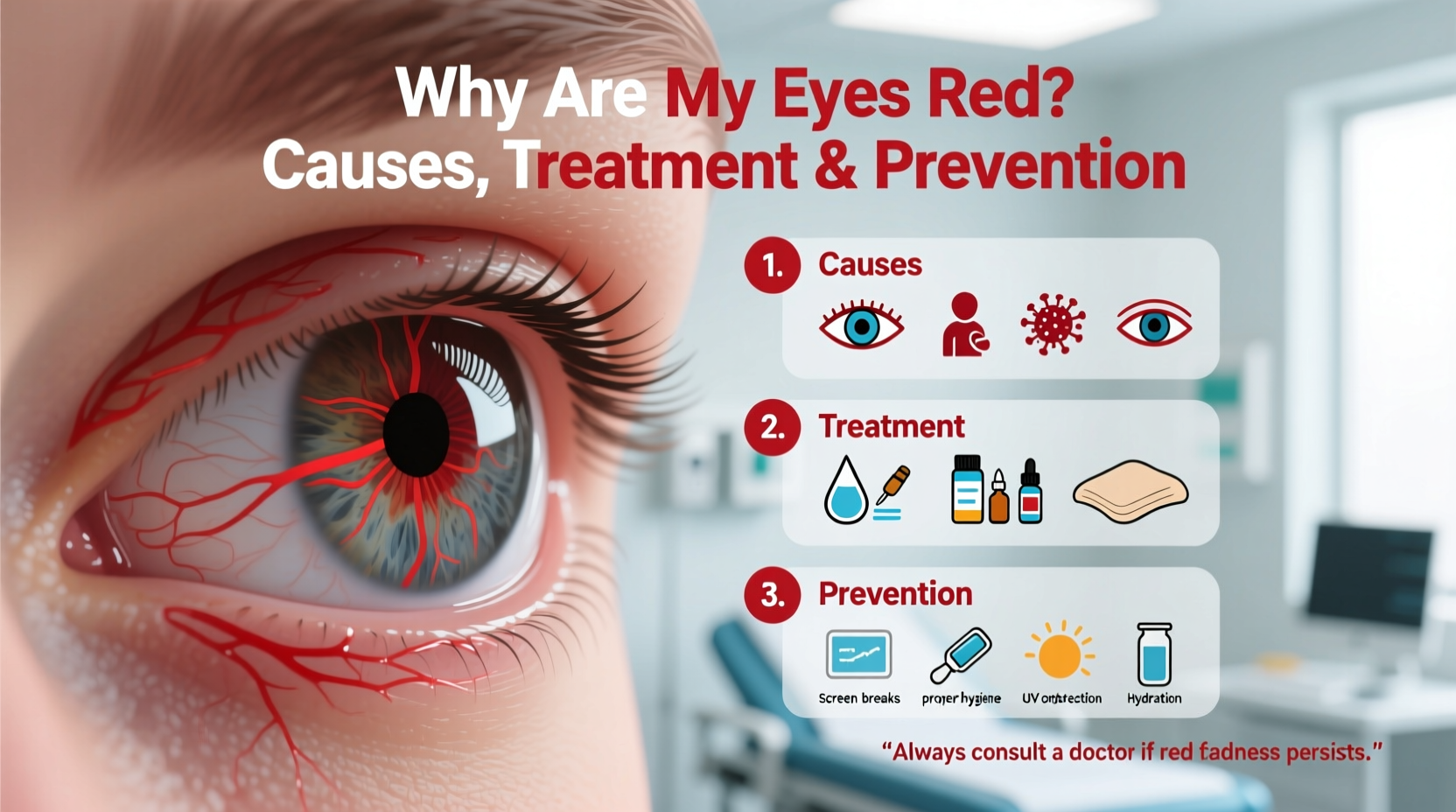
Red eyes can stem from a variety of sources, ranging from environmental factors to medical conditions. Identifying the cause is the first step toward effective relief.
- Allergies: Seasonal allergens like pollen, dust, or pet dander trigger histamine release, leading to itchy, watery, and red eyes—commonly known as allergic conjunctivitis.
- Dry Eye Syndrome: Insufficient tear production or rapid evaporation due to screen use, dry air, or aging can cause irritation and redness.
- Eye Strain: Prolonged focus on digital screens, reading, or driving without breaks can fatigue the eyes and lead to redness.
- Conjunctivitis (Pink Eye): Viral or bacterial infections cause inflammation of the conjunctiva, resulting in redness, discharge, and discomfort.
- Contact Lens Overuse: Wearing lenses longer than recommended or sleeping in them restricts oxygen flow and irritates the cornea.
- Smoke and Airborne Irritants: Exposure to smoke, chemicals, chlorine in pools, or strong perfumes can inflame the eye surface.
Serious Medical Conditions Linked to Red Eyes
While many cases resolve on their own, some causes require prompt medical evaluation. Ignoring symptoms can lead to complications including vision loss.
“Persistent redness with pain or vision changes should never be ignored. It could indicate uveitis, acute glaucoma, or corneal ulcers.” — Dr. Lena Torres, Ophthalmologist
- Uveitis: Inflammation of the uvea (middle layer of the eye), often associated with autoimmune disorders, causing pain, redness, and light sensitivity.
- Acute Angle-Closure Glaucoma: A sudden increase in intraocular pressure leads to intense eye pain, redness, blurred vision, and nausea—a medical emergency.
- Corneal Abrasions or Ulcers: Scratches or infections on the cornea from trauma or contaminated contact lenses cause significant redness and discomfort.
- Subconjunctival Hemorrhage: A burst blood vessel appears as a bright red patch on the white of the eye; usually painless but alarming in appearance.
When to Seek Immediate Care
Visit an eye specialist immediately if redness is accompanied by:
- Severe eye pain
- Sudden vision changes
- Sensitivity to light
- Nausea or headache (possible glaucoma)
- Thick discharge or pus (bacterial infection)
Treatment Options Based on Cause
Effective treatment depends on accurately diagnosing the underlying issue. Self-treatment is safe for mild cases, but professional diagnosis is crucial for persistent or worsening symptoms.
| Cause | Treatment | Duration |
|---|---|---|
| Allergies | Antihistamine eye drops, oral antihistamines, cold compress | Seasonal or temporary |
| Dry Eyes | Artificial tears, prescription drops (e.g., cyclosporine), humidifier use | Ongoing management |
| Viral Conjunctivitis | Supportive care (cold compress, hygiene), resolves on its own | 5–7 days |
| Bacterial Conjunctivitis | Antibiotic eye drops or ointment | 3–5 days with treatment |
| Eye Strain | Screen breaks (20-20-20 rule), proper lighting, ergonomic adjustments | Immediate relief with habit change |
| Uveitis | Corticosteroid eye drops, immunosuppressants, referral to specialist | Weeks to months |
Home Remedies That Work
For mild redness, several non-invasive approaches can provide relief:
- Apply a clean, cold compress for 5–10 minutes to reduce swelling and soothe irritation.
- Rinse eyes gently with sterile saline solution to flush out irritants.
- Use preservative-free artificial tears up to 4 times daily for dryness.
- Avoid rubbing the eyes, which worsens inflammation and risks infection.
Prevention Strategies for Long-Term Eye Health
Preventing red eyes involves consistent habits that protect ocular surfaces and support tear film stability.
- Follow the 20-20-20 Rule: Every 20 minutes, look at something 20 feet away for at least 20 seconds to reduce digital eye strain.
- Use a Humidifier: Especially in heated or air-conditioned rooms, adding moisture helps prevent dry eyes.
- Wear Sunglasses Outdoors: UV protection reduces irritation and prevents long-term damage.
- Practice Contact Lens Hygiene: Replace lenses as scheduled, clean cases weekly, and avoid water exposure.
- Manage Allergies Proactively: Use antihistamines before allergy season peaks and keep windows closed during high pollen counts.
Mini Case Study: Office Worker with Chronic Red Eyes
Jamal, a 34-year-old software developer, experienced recurring redness and burning in both eyes after long coding sessions. He initially attributed it to tiredness but noticed worsening symptoms over three months. After visiting an optometrist, he was diagnosed with computer vision syndrome and evaporative dry eye due to infrequent blinking while focusing on screens. His treatment plan included taking hourly breaks, using a warm-humidified workspace, and applying lipid-based artificial tears. Within four weeks, his redness decreased significantly, and he reported improved comfort and productivity.
FAQ: Frequently Asked Questions
Can lack of sleep cause red eyes?
Yes. Sleep deprivation reduces tear production and increases eye strain, leading to bloodshot eyes. Getting 7–8 hours of quality sleep helps maintain healthy ocular circulation.
Are red eyes contagious?
Only if caused by viral or bacterial conjunctivitis. These forms spread through direct contact with infected secretions. Practice hand hygiene and avoid sharing towels or pillows.
Is it safe to use redness-relief eye drops regularly?
No. Over-the-counter decongestant drops (like those containing tetrahydrozoline) can cause rebound redness if used more than 2–3 days consecutively. They mask symptoms without treating the cause.
Conclusion: Take Action for Healthier Eyes
Red eyes are more than a cosmetic concern—they’re a signal from your body that something needs attention. Whether due to environment, habits, or health conditions, addressing the root cause ensures lasting relief and protects your vision. Simple lifestyle adjustments, proper hygiene, and timely medical consultation make a significant difference. Don’t wait until discomfort becomes severe. Start today by evaluating your screen time, checking your contact lens routine, and scheduling an eye exam if redness persists.
💬 Have questions about your eye health or experiences with redness? Share your story or ask an expert in the comments below—we’re here to help you see clearly and stay comfortable.








