
The delicate skin around the eyes is often the first to show signs of aging. If you've noticed increased wrinkling on your eyelids, you're not alone. These fine lines and creases can develop due to a mix of natural aging, lifestyle habits, and environmental exposure. Unlike thicker facial skin, the eyelid area has fewer oil glands and thinner tissue, making it more vulnerable to damage and visible changes. Understanding why these wrinkles form—and how to address them—is key to maintaining a refreshed, youthful appearance.
Understanding Eyelid Skin Anatomy
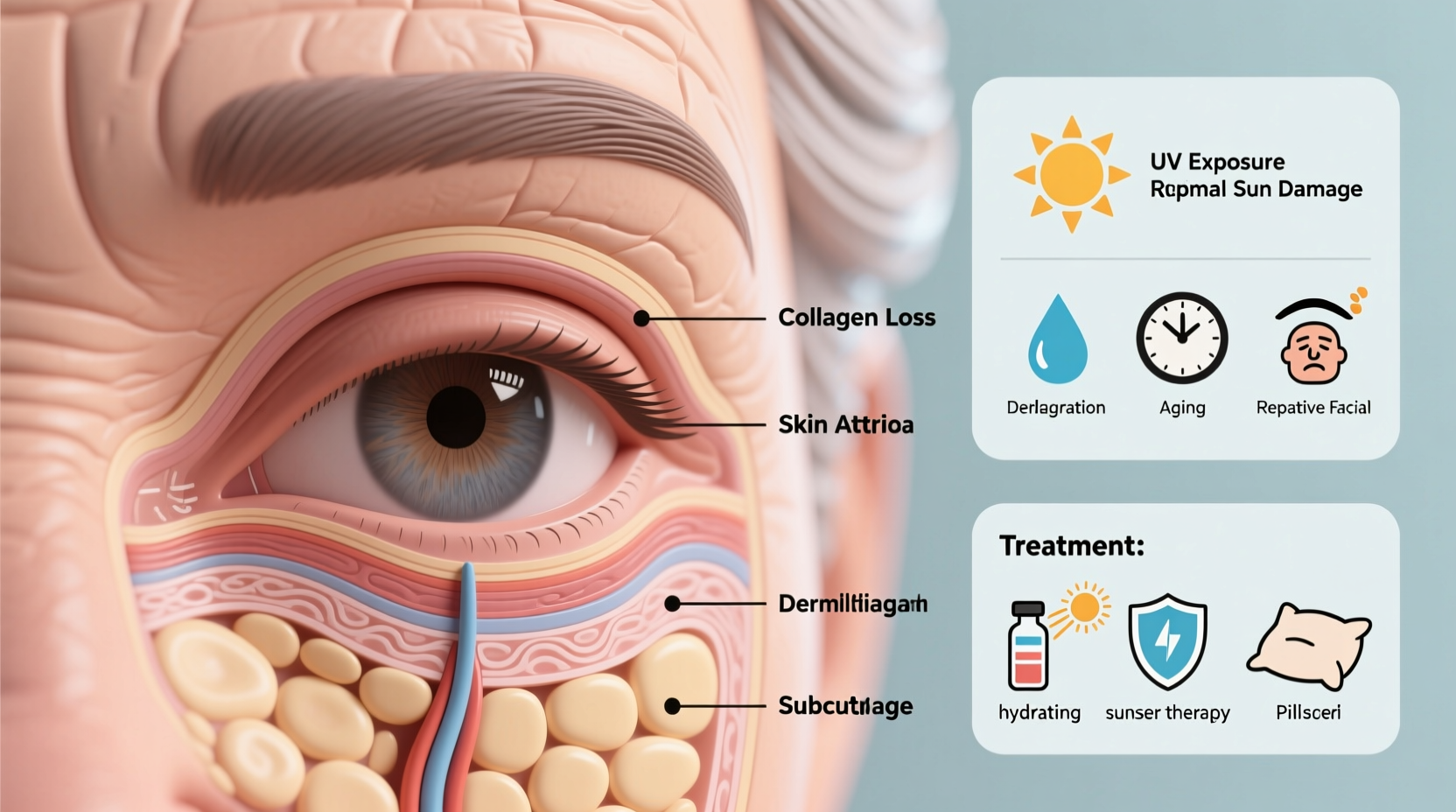
The skin on the eyelids is among the thinnest on the human body—just 0.5 millimeters thick compared to 2–3 millimeters elsewhere on the face. This delicate structure lacks subcutaneous fat and sebaceous (oil) glands, which means it has minimal natural protection against moisture loss and external stressors. As a result, it’s prone to early signs of aging such as fine lines, crepiness, and sagging.
Additionally, the muscles around the eyes (like the orbicularis oculi) are in constant motion—blinking up to 28,000 times per day. This repetitive movement contributes to dynamic wrinkles, especially in areas where expression lines form, such as the outer corners (crow’s feet).
“Eyelid wrinkles aren’t just about age—they reflect cumulative sun exposure, sleep quality, and even hydration levels.” — Dr. Lena Torres, Board-Certified Dermatologist
Common Causes of Wrinkly Eyelids
Wrinkles on the eyelids rarely stem from a single cause. Instead, they’re typically the result of multiple overlapping factors:
- Natural aging: Collagen and elastin production decline with age, leading to reduced skin elasticity and firmness.
- Sun exposure: UV radiation accelerates photoaging by breaking down collagen fibers and increasing oxidative stress.
- Dryness: The lack of oil glands in the eyelid area makes it susceptible to dehydration, emphasizing fine lines.
- Repeated facial expressions: Smiling, squinting, or frowning over years creates ingrained creases.
- Poor sleep posture: Sleeping face-down or on your side may promote wrinkle formation through mechanical compression.
- Dehydration and nutrition: Chronic low water intake and deficiencies in vitamins A, C, and E impair skin repair.
- Allergies and eye rubbing: Frequent rubbing due to irritation can stretch and weaken thin eyelid skin.
- Smoking: Nicotine reduces blood flow to the skin and degrades collagen, speeding up wrinkle development.
Effective Treatments for Eyelid Wrinkles
While some degree of fine line development is inevitable, several clinically supported treatments can reduce the appearance of existing eyelid wrinkles and improve skin texture.
Topical Solutions
Certain skincare ingredients have proven efficacy when applied correctly near the eyes:
- Retinoids (e.g., retinol): Stimulate collagen production and accelerate cell turnover. Use low concentrations initially to avoid irritation.
- Peptides: Signal skin cells to produce more collagen; gentler than retinoids for sensitive areas.
- Hyaluronic acid: Binds moisture to plump fine lines temporarily.
- Vitamin C (L-ascorbic acid): An antioxidant that protects against free radicals and supports collagen synthesis.
Professional Procedures
For more pronounced wrinkles, dermatological interventions offer stronger results:
| Treatment | How It Works | Results Timeline |
|---|---|---|
| Laser resurfacing (e.g., fractional CO2) | Removes damaged outer layers and stimulates collagen | Visible improvement in 1–3 months |
| Chemical peels (light to medium) | Exfoliates surface cells to reveal smoother skin | Immediate glow; full results in 2–4 weeks |
| Botox injections | Relaxes muscles causing crow’s feet and dynamic folds | Results in 3–7 days; lasts 3–4 months |
| Microneedling with PRP | Promotes healing via micro-injuries and platelet-rich plasma | Gradual improvement over 6–8 weeks |
These procedures should only be performed by licensed professionals, particularly around the eye area, where safety margins are narrow.
Prevention Strategies for Healthier Eyelids
Preventing eyelid wrinkles is more effective—and less costly—than reversing them. A proactive approach can significantly delay their onset.
Step-by-Step Daily Prevention Routine
- Apply broad-spectrum sunscreen daily: Use SPF 30+ every morning, even on cloudy days. Reapply if outdoors for extended periods.
- Wear UV-protective sunglasses: Reduces squinting and shields skin from harmful rays.
- Use an eye cream with antioxidants: Apply gently with your ring finger to avoid tugging.
- Stay hydrated: Aim for at least 2 liters of water daily to support skin elasticity.
- Sleep on your back: Minimizes facial compression and fluid accumulation around the eyes.
- Avoid smoking and limit alcohol: Both contribute to premature skin aging.
- Manage allergies: Treat chronic eye irritation to prevent habitual rubbing.
Mini Case Study: Sarah’s Experience
Sarah, a 42-year-old teacher from Portland, began noticing deepening lines on her upper eyelids after several years of outdoor school activities without consistent sun protection. She also had seasonal allergies, leading to frequent eye rubbing. After consulting a dermatologist, she adopted a regimen including daily mineral sunscreen, antihistamines during allergy season, and a peptide-based eye serum. Within four months, her eyelid texture improved noticeably, and further progression of wrinkles slowed. Her case highlights how combining lifestyle adjustments with targeted care yields measurable benefits.
Frequently Asked Questions
Can eyelid wrinkles be reversed completely?
Complete reversal is unlikely, especially for long-standing wrinkles. However, many treatments can significantly reduce their depth and visibility. Early intervention offers the best outcomes.
Is it safe to use retinol on the eyelids?
Yes, but only with caution. Use a low-concentration, eye-specific retinol product and start with 2–3 applications per week. Discontinue if redness or peeling occurs.
Do eye creams really work?
Formulated correctly, yes. Eye creams differ from regular moisturizers by being lighter, non-comedogenic, and enriched with ingredients like caffeine, peptides, or niacinamide tailored for fragile eye-area skin.
Expert Checklist: Maintain Youthful Eyelids
“Think of eyelid care as long-term investment in your skin’s resilience.” — Dr. Alan Kim, Cosmetic Dermatology Specialist
Follow this actionable checklist to keep your eyelids smooth and healthy:
- ✅ Wear sunglasses outdoors year-round
- ✅ Apply SPF 30+ to the face—including eyelid area (avoid direct contact with eyes)
- ✅ Use a dedicated eye cream morning and night
- ✅ Stay consistently hydrated
- ✅ Sleep on your back or use a silk pillowcase to reduce friction
- ✅ Avoid pulling or rubbing your eyes
- ✅ Schedule annual skin checkups with a dermatologist
Take Control of Your Skin Health Today
Wrinkly eyelids are a common concern, but they don’t have to be accepted as inevitable. With informed choices—from daily sunscreen use to professional treatments—you can preserve the delicate skin around your eyes and maintain a brighter, more alert appearance. Aging is natural, but how you respond to it makes all the difference. Start building better habits today, and your future self will thank you.
💬 Have questions about your eyelid care routine? Share your experience or ask for advice in the comments below—we’d love to hear from you!








