
Dog owners often notice changes in their pet’s body temperature through touch—especially around the ears. While warm ears aren’t always a cause for concern, consistently hot ears can signal an underlying health issue. Understanding the reasons behind this symptom helps ensure timely care and prevents complications. From environmental factors to infections and systemic illness, several conditions may lead to elevated ear temperature in dogs. This guide explores the most common causes, how to assess severity, and practical steps you can take at home or with veterinary support.
Understanding Normal vs. Abnormal Ear Temperature
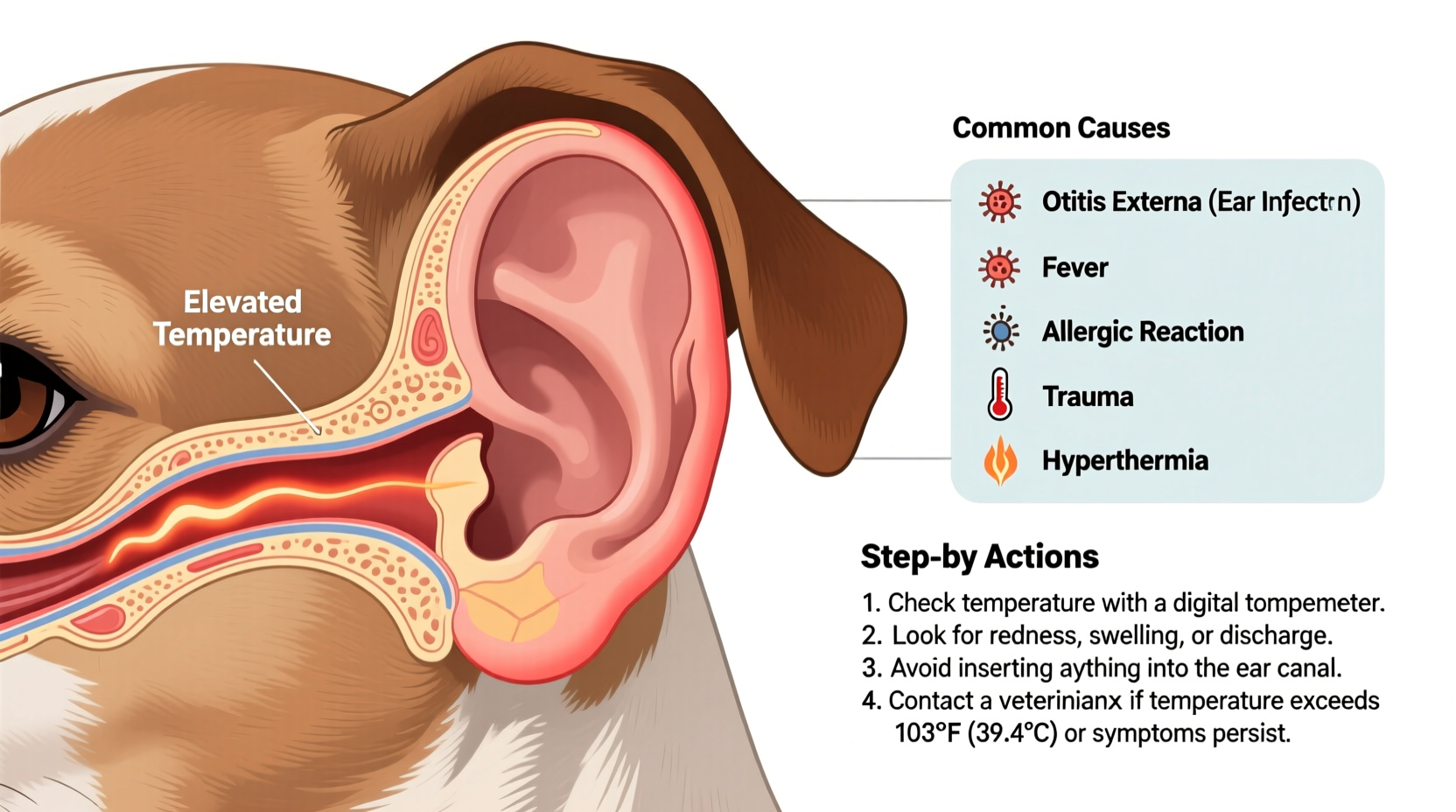
A dog’s normal body temperature ranges between 100.5°F and 102.5°F (38°C–39.2°C). Because ears have thin skin and rich blood supply, they often feel warmer than other parts of the body. After exercise, sunbathing, or excitement, it's normal for a dog’s ears to feel warm due to increased blood flow. However, if the warmth persists without an obvious trigger—or is accompanied by other symptoms—it may indicate a problem.
To determine whether the heat is abnormal, compare both ears. One significantly hotter ear could point to a localized issue like an infection or injury. Also, check your dog’s overall condition: Are they lethargic? Scratching excessively? Shaking their head? These clues help distinguish between benign warmth and something more serious.
Tip: Use the inside of your wrist to test your dog’s ear temperature—it's more sensitive to subtle heat differences than fingertips.Common Causes of Hot Dog Ears
Several medical and environmental factors contribute to hot ears in dogs. Identifying the root cause determines the appropriate response.
1. Ear Infections (Otitis Externa)
One of the most frequent reasons for persistently hot ears is infection. Bacteria, yeast, or mites can invade the ear canal, causing inflammation, redness, swelling, and warmth. Dogs with floppy ears—like Cocker Spaniels or Basset Hounds—are especially prone due to reduced airflow.
Symptoms include:
- Foul odor from the ear
- Dark discharge (brown, yellow, or bloody)
- Head tilting or loss of balance
- Pain when touching the ear
- Excessive scratching or pawing at the ear
2. Allergies
Allergic reactions—whether to food, pollen, dust, or flea bites—can manifest as ear inflammation. Chronic allergies often lead to secondary infections, which further elevate ear temperature. Many dogs with atopic dermatitis show early signs in the ears before generalized itching develops.
3. Fever
If both ears are hot and your dog seems unwell, they might have a fever. Infections, immune disorders, or post-vaccination responses can raise core body temperature. Unlike situational warmth, fever-related heat affects the entire body.
4. Sunburn or Heat Exposure
Dogs with light-colored or thin fur on their ears—such as Dalmatians or Whippets—can suffer sunburn after prolonged outdoor exposure. The affected area becomes red, warm, and painful. Similarly, overheating during hot weather can make ears feel unusually hot.
5. Trauma or Injury
A bite wound, scratch, or foreign object (like a grass seed) trapped in the ear canal can cause localized inflammation and heat. These injuries are often painful and require prompt attention.
“Persistent ear warmth, especially with behavioral changes, should never be ignored. It’s one of the earliest indicators of discomfort or illness.” — Dr. Lena Torres, DVM, Small Animal Specialist
What You Should Do: A Step-by-Step Guide
If you notice your dog’s ears are hot, follow these steps to assess and respond appropriately:
- Observe for additional symptoms: Check for head shaking, scratching, discharge, swelling, or odor. Note any changes in appetite, energy level, or behavior.
- Check body temperature: Use a digital rectal thermometer (the most accurate method). Lubricate the tip and insert gently about one inch. Wait for the reading. Above 103°F indicates a fever.
- Inspect the ear canal: Gently pull back the ear flap. Look for redness, debris, or foreign objects. Do not probe deeply or use cotton swabs.
- Compare both ears: Is one noticeably hotter, swollen, or more painful? Asymmetry suggests a localized issue.
- Provide cooling measures if overheated: Move your dog indoors, offer fresh water, and apply cool (not cold) compresses to the groin, armpits, and neck—not directly on the ears.
- Contact your veterinarian: If symptoms persist beyond a few hours, worsen, or are accompanied by fever or pain, schedule an appointment.
Do’s and Don’ts When Dealing With Hot Dog Ears
| Action | Do | Don't |
|---|---|---|
| Cleaning the ears | Use a vet-approved ear cleaner and gauze | Insert cotton swabs or sharp objects |
| Assessing pain | Gently touch around the base of the ear | Forcefully manipulate a swollen or painful ear |
| Treating suspected infection | Follow prescribed medication regimens | Apply human medications or essential oils |
| Prevention | Keep ears dry after swimming or bathing | Allow moisture to remain in ear folds |
Real-Life Example: Max the Beagle
Max, a three-year-old Beagle, started shaking his head frequently after a weekend hike. His owner noticed one ear was significantly hotter than the other and had a faint yeasty smell. Initially assuming it was dirt, she wiped the outer ear but saw no improvement. By day two, Max was tilting his head and whining when touched. A vet visit revealed a grass awn lodged deep in the ear canal, causing inflammation and a developing infection. After safe removal and a course of antibiotics, Max recovered fully. This case highlights how quickly a minor issue can escalate—and why early professional evaluation matters.
Preventive Care Checklist
Regular maintenance reduces the risk of ear problems. Follow this checklist weekly or biweekly:
- ✔️ Inspect ears for redness, swelling, or discharge
- ✔️ Smell the ear canal—foul odor needs evaluation
- ✔️ Clean only the visible part of the ear with vet-recommended solution
- ✔️ Dry ears thoroughly after swimming or bathing
- ✔️ Trim excess hair around ear openings in long-haired breeds
- ✔️ Treat for fleas and mites monthly, as advised by your vet
- ✔️ Schedule routine wellness exams, including ear checks
Frequently Asked Questions
Can stress cause my dog’s ears to feel hot?
Yes. Stress or anxiety triggers adrenaline release, increasing blood flow to extremities like ears. This usually resolves once the dog calms down and isn’t typically accompanied by other symptoms.
Is it safe to use over-the-counter ear drops?
No. Without knowing the cause—yeast, bacteria, mites, or injury—OTC drops may worsen the condition. Some contain ingredients harmful to already inflamed tissue. Always consult your vet first.
How long does a dog ear infection take to heal?
With proper treatment, mild infections improve within 5–7 days. Chronic or severe cases may require 2–4 weeks of medication. Completing the full course is crucial to prevent recurrence.
Final Thoughts: When to Act and When to Monitor
Hot ears in dogs range from harmless to serious. Transient warmth after activity or in warm environments is normal. But persistent heat, especially with discomfort or systemic signs, warrants action. Early detection and treatment prevent progression to chronic pain, hearing loss, or deeper infections. Your awareness and proactive care play a vital role in your dog’s well-being.
💬 Your observations matter. Share your experiences or questions in the comments—your insight could help another pet owner recognize a warning sign early.








