Dogs have a unique place in human hearts—not just as pets, but as companions, confidants, and family members. One of the most endearing traits they possess is their undeniable cuddliness. From curling up on your lap to leaning against your leg during quiet moments, dogs seem naturally inclined to seek physical closeness. But what drives this behavior? Is it simply habit, or is there a deeper biological and emotional explanation behind why dogs are so cuddly? Understanding canine affection reveals a rich interplay of evolution, neurochemistry, and social bonding that has shaped the dog-human relationship over thousands of years.
The Evolutionary Roots of Canine Cuddliness
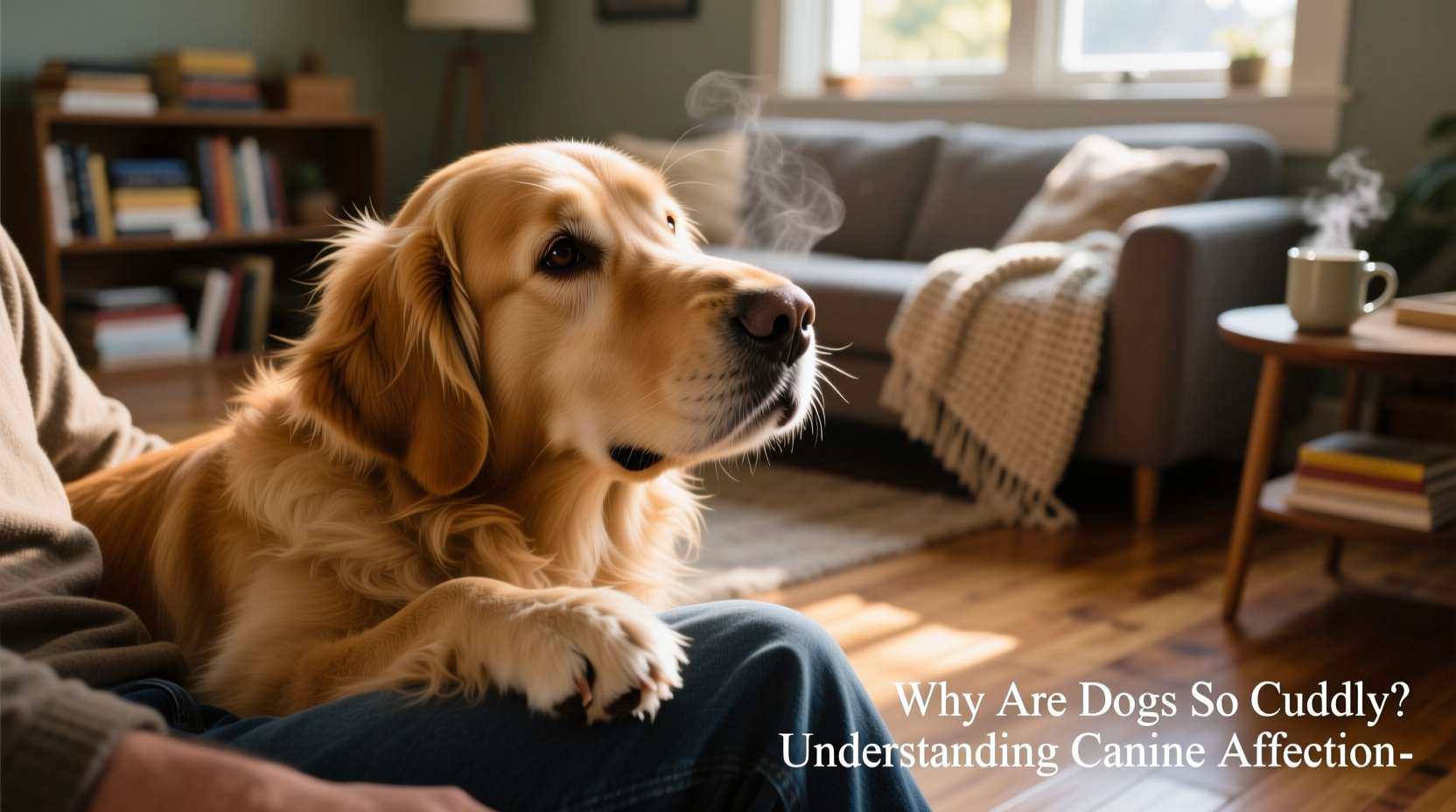
Dogs evolved from wolves, animals known for their pack-oriented social structures. While wolves are not typically seen as “cuddly” in the way domestic dogs are, they do engage in close physical contact within their packs—especially during rest, grooming, and protection. This proximity reinforces social bonds and establishes hierarchy and trust.
As dogs diverged from wolves through domestication—beginning an estimated 15,000 to 30,000 years ago—they adapted not only physically but emotionally to life alongside humans. Those early canines who exhibited less fear and more tolerance toward people were more likely to receive food, shelter, and care. Over generations, natural and human-driven selection favored traits like attentiveness, responsiveness, and yes—affection.
This evolutionary shift didn’t just make dogs friendlier; it rewired their brains. Studies show that modern dogs have developed heightened sensitivity to human emotional cues. They respond to our tone of voice, facial expressions, and body language in ways no other animal does. Their desire to cuddle isn’t random—it’s a finely tuned survival strategy rooted in attachment and cooperation.
The Science Behind the Snuggles: Oxytocin and Bonding
One of the most compelling explanations for why dogs are so cuddly lies in neurochemistry. When dogs interact affectionately with humans—through eye contact, petting, or physical touch—both species experience a surge in oxytocin, often referred to as the \"love hormone.\"
A landmark 2015 study published in *Science* demonstrated that when dogs and their owners gazed into each other’s eyes, oxytocin levels increased significantly in both. This hormonal feedback loop mirrors the bond between a mother and infant, suggesting that dogs have co-opted ancient mammalian bonding mechanisms to form deep emotional connections with people.
“Dogs don’t just live with us—they’ve evolved to love us in a biologically meaningful way. The oxytocin response during mutual gaze shows that their affection is not performative, but deeply felt.” — Dr. Takefumi Kikusui, Animal Behavior Scientist, Azabu University
This biochemical connection explains why dogs seek out physical contact not just for warmth or comfort, but as a way to strengthen emotional ties. Cuddling becomes a two-way exchange of trust and security, reinforcing the human-dog bond on a physiological level.
Behavioral Signs of Canine Affection
While cuddling is one of the most obvious displays of affection, dogs express love in many subtle ways. Recognizing these behaviors helps deepen mutual understanding:
- Leaning on you: A dog pressing its body against your leg or side is a sign of trust and closeness.
- Licking: Often called “kisses,” licking can be a gesture of submission, grooming, or affection.
- Bringing toys: Offering a favorite toy is an invitation to play—and a way to share joy.
- Following you around: Known as “velcro dog” behavior, this reflects a strong attachment.
- Sleeping nearby: Choosing to rest at your feet or beside you signals safety and belonging.
How to Encourage Healthy Affection Without Overdependence
While cuddly dogs bring immense comfort, it’s important to balance affection with independence. Some dogs become overly reliant on physical contact, which can lead to separation anxiety or attention-seeking behaviors. A well-adjusted dog should feel secure both in your presence and absence.
- Set boundaries early: Allow cuddling during calm moments, but avoid rewarding clinginess with immediate attention every time it occurs.
- Create a safe space: Provide a cozy bed or crate where your dog can relax independently.
- Practice short separations: Gradually increase time apart to build confidence.
- Encourage self-soothing: Offer chew toys or puzzle feeders to keep them engaged when alone.
- Be consistent: Predictable routines help dogs feel secure without needing constant physical reassurance.
Mini Case Study: Max, the Rescue Dog
Max, a three-year-old mixed breed, was adopted after spending months in a shelter. Initially, he followed his new owner everywhere, trembling when left in another room. His affection was intense—but rooted in insecurity. With guidance from a trainer, his owner implemented structured cuddle times, used a calming pheromone diffuser, and introduced daily solo play sessions. Within ten weeks, Max still enjoyed cuddling but could nap peacefully in his bed while his owner cooked dinner—a clear sign of growing emotional balance.
Do’s and Don’ts of Responding to Canine Cuddliness
| Do’s | Don’ts |
|---|---|
| Respond warmly to gentle nudges or leaning | Reinforce whining or pawing for attention |
| Pet calmly during relaxed moments | Over-pamper during hyperactive episodes |
| Use cuddle time for bonding and quiet interaction | Force affection if your dog seems anxious or withdrawn |
| Respect your dog’s need for personal space | Ignore signs of discomfort (tense body, yawning, avoiding eye contact) |
Frequently Asked Questions
Why does my dog only cuddle with one person in the household?
Dogs often form a primary attachment to the person who feeds, walks, or spends the most time with them. This doesn’t mean they don’t love others—they may simply feel safest with their main caregiver. Encouraging shared responsibilities can help distribute bonding more evenly.
Is it bad to let my dog sleep in bed with me?
Not necessarily. Co-sleeping can strengthen bonds and provide comfort, especially for older or anxious dogs. However, if it leads to territorial behavior or disrupts your sleep, consider training your dog to sleep nearby in a comfortable alternative spot.
Can dogs get too cuddly? What if my dog won’t leave me alone?
Excessive clinginess can signal underlying anxiety. If your dog panics when you move rooms or becomes destructive when alone, it may be suffering from separation distress. In such cases, gradual desensitization and professional behavioral support are recommended.
Conclusion: Embracing the Cuddle Connection
The reason dogs are so cuddly goes far beyond cuteness. It’s a profound expression of trust, evolved over millennia and reinforced by biology, emotion, and daily interaction. Their snuggles are not just comforting—they’re communicative. Each nuzzle, lean, and shared moment of stillness is a silent language of loyalty and love.
Understanding this helps us become better companions. We can honor their affection not by indulging every demand, but by fostering a balanced relationship built on mutual respect and emotional security. When we recognize the depth behind the cuddles, we don’t just enjoy the warmth—we deepen the connection.
💬 What’s your dog’s favorite way to show affection? Share your stories and help others appreciate the beautiful nuances of canine love.








