
Tickling has long been a quirky part of human interaction—something that provokes laughter, surprise, and sometimes even discomfort. But if you’ve noticed that you’re no longer ticklish, or that areas of your body once sensitive now feel completely unresponsive, you’re not alone. Many adults report a noticeable decline in ticklishness over time. While this shift may seem trivial, it’s often tied to deeper physiological, psychological, and neurological changes. Understanding the reasons behind this change can offer insight into how your nervous system, emotions, and even relationships have evolved.
The Science Behind Ticklishness
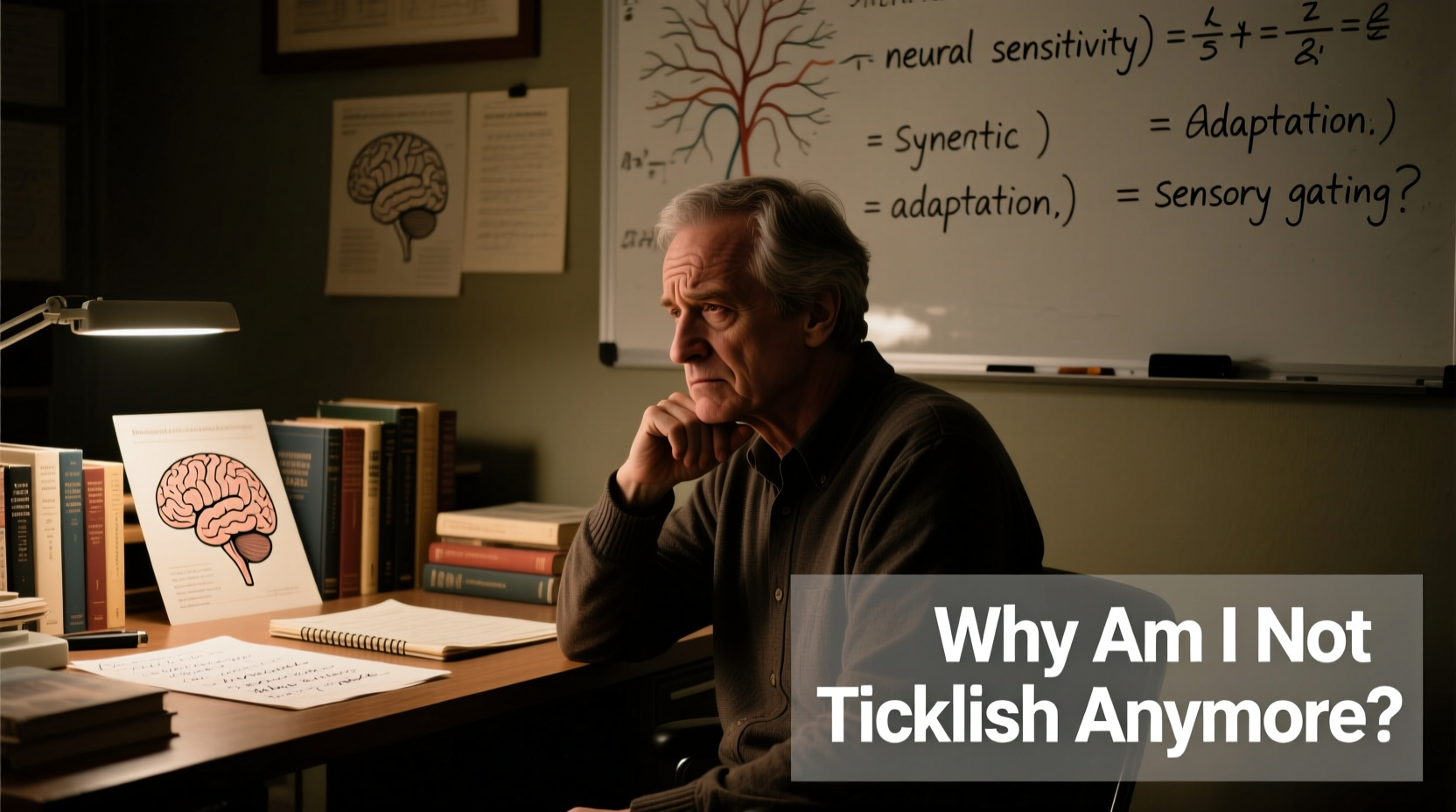
Tickling is more complex than a simple skin reaction. Scientists identify two main types: knismesis (a light, feather-like sensation) and gargalesis (the heavier, laughter-inducing kind). Gargalesis, in particular, involves multiple brain regions, including the cerebellum, somatosensory cortex, and anterior cingulate cortex. These areas process touch, predict sensory input, and regulate emotional responses.
A key factor in ticklishness is unpredictability. Your brain anticipates self-generated sensations and dampens their intensity. That’s why you can’t tickle yourself effectively—the cerebellum predicts the movement and reduces the sensory impact. When someone else touches you unexpectedly, however, the brain doesn’t have time to filter the signal, leading to that jolt of surprise and laughter.
As we age, or undergo certain life changes, these neural pathways can shift. Reduced sensitivity doesn’t necessarily mean something is wrong—it may simply reflect natural adaptation.
Tip: Try having a friend tickle you when you're distracted—this increases unpredictability and may reignite a mild tickle response.Common Reasons You’re Not Ticklish Anymore
Losing ticklishness isn’t typically a medical emergency, but several underlying causes may explain the shift:
- Natural aging: As skin becomes less sensitive with age and nerve endings lose responsiveness, tactile reactions like tickling may diminish.
- Heightened stress or anxiety: A hyper-vigilant nervous system can suppress playful responses. Chronic stress activates the fight-or-flight response, making the body less receptive to non-essential stimuli like tickling.
- Desensitization through repeated exposure: Frequent touching or tickling in childhood may lead to habituation. Over time, the nervous system stops treating the sensation as novel or surprising.
- Neurological changes: Conditions such as diabetes, multiple sclerosis, or peripheral neuropathy can impair nerve function, reducing sensitivity across the skin.
- Emotional detachment or trauma: Individuals who have experienced emotional or physical trauma may unconsciously \"shut down\" bodily responses as a protective mechanism.
- Pregnancy or hormonal shifts: Some women report increased or decreased sensitivity during hormonal fluctuations, particularly in pregnancy or menopause.
“Ticklishness is a social behavior deeply tied to trust and bonding. When it fades, it’s often not just about nerves—it’s about context.” — Dr. Lena Torres, Neuroscientist & Behavioral Researcher
When to Be Concerned: Medical vs. Normal Changes
Not being ticklish anymore is usually normal, especially if it coincides with aging or lifestyle changes. However, sudden or widespread loss of sensation should be evaluated. If you also experience numbness, tingling, balance issues, or muscle weakness, consult a healthcare provider.
Below is a comparison of typical age-related desensitization versus signs that may require medical attention:
| Normal Change | Red Flag / Seek Evaluation |
|---|---|
| Gradual decrease in ticklishness over years | Sudden loss of sensation in limbs or torso |
| Only specific areas less responsive (e.g., feet) | Burning, tingling, or electric shocks in skin |
| No pain or functional issues | Difficulty walking, gripping objects, or coordination problems |
| Changes linked to stress or emotional state | Symptoms worsening over weeks without explanation |
Mini Case Study: Sarah’s Experience
Sarah, a 34-year-old teacher, noticed she stopped laughing when her nephew playfully poked her sides during family visits. At first, she dismissed it as getting “too old for that.” But after discussing it with her doctor during a routine checkup, she realized her lack of response coincided with a period of high job-related stress and disrupted sleep. Her physician explained that chronic cortisol elevation could dull sensory processing. After implementing mindfulness practices and improving her sleep hygiene, Sarah reported a slight return of ticklish sensitivity—particularly when caught off guard by spontaneous affection from loved ones.
Can You Regain Ticklishness? Practical Steps
While you can’t force your body to become ticklish again, certain lifestyle adjustments may help restore some sensitivity by improving nervous system health and reducing mental barriers:
- Reduce stress levels: Practice meditation, deep breathing, or yoga to calm the autonomic nervous system.
- Improve sleep quality: Aim for 7–9 hours per night. Poor sleep disrupts neural repair and sensory processing.
- Engage in light touch activities: Massage, partner stretching, or even petting an animal can re-sensitize skin receptors.
- Reintroduce playful contact: Allow trusted friends or partners to gently test ticklish zones in a relaxed setting.
- Stay physically active: Exercise improves blood flow and nerve function, supporting overall sensory health.
Checklist: Assessing Your Ticklishness Change
Use this checklist to evaluate whether your reduced ticklishness is likely benign or worth further exploration:
- ☑ Has the change been gradual over months or years?
- ☑ Do you still feel light touch normally (e.g., fabric, breeze)?
- ☑ Are there no other symptoms like numbness, weakness, or pain?
- ☑ Have you recently experienced major stress, trauma, or emotional withdrawal?
- ☑ Is the loss limited to expected tickle zones (feet, ribs, neck)?
- ☑ Does laughter still occur in response to surprise or humor, even without physical touch?
If most answers are “yes,” the change is likely part of natural development. If you answered “no” to several, consider discussing it with a neurologist or primary care provider.
Frequently Asked Questions
Why can I tickle others but not be tickled myself?
This is common. The ability to initiate touch without being affected by it relates to motor prediction. Your brain knows your own movements in advance, so it filters out the sensation. Being able to tickle others while remaining unaffected doesn’t indicate a problem—it’s a normal feature of how the brain processes self-generated actions.
Can medications affect ticklishness?
Yes. Certain drugs—especially those affecting the central nervous system (like antidepressants, anticonvulsants, or blood pressure medications)—can alter sensory perception. If you started a new medication around the time your ticklishness changed, discuss this with your doctor.
Is being not ticklish a sign of emotional detachment?
Not necessarily. While touch sensitivity can reflect emotional openness, many people who aren’t ticklish remain deeply connected and affectionate. However, if you notice broader emotional numbing or avoidance of physical intimacy, it may be worth exploring with a therapist.
Conclusion: Embracing Sensory Change as Part of Growth
Losing your ticklishness isn’t a failure of the body or a sign of emotional coldness—it’s often a quiet indicator of maturation, adaptation, or shifting priorities. Whether due to age, stress, or neurological recalibration, this change reflects how dynamic the human nervous system truly is. Instead of viewing it as a loss, consider it part of a broader story about how your body responds to life’s evolving demands.
If you’re curious about reclaiming even a flicker of that childhood sensation, start small: reconnect with playful touch in safe, low-pressure settings. Laughter and lightness don’t depend on tickling—but when they arrive alongside it, they remind us of the joy embedded in human connection.
💬 Have you noticed changes in your sensitivity over time? Share your experience in the comments—your story might help someone else understand their own journey.








