A sudden rash can be alarming, uncomfortable, and sometimes painful. Whether it appears as red patches, raised bumps, blisters, or dry, flaky skin, rashes are the body’s way of signaling an underlying issue. The triggers range from allergies and infections to autoimmune conditions and environmental irritants. Understanding the root cause is essential for proper treatment and long-term relief.
Common Causes of Skin Rashes
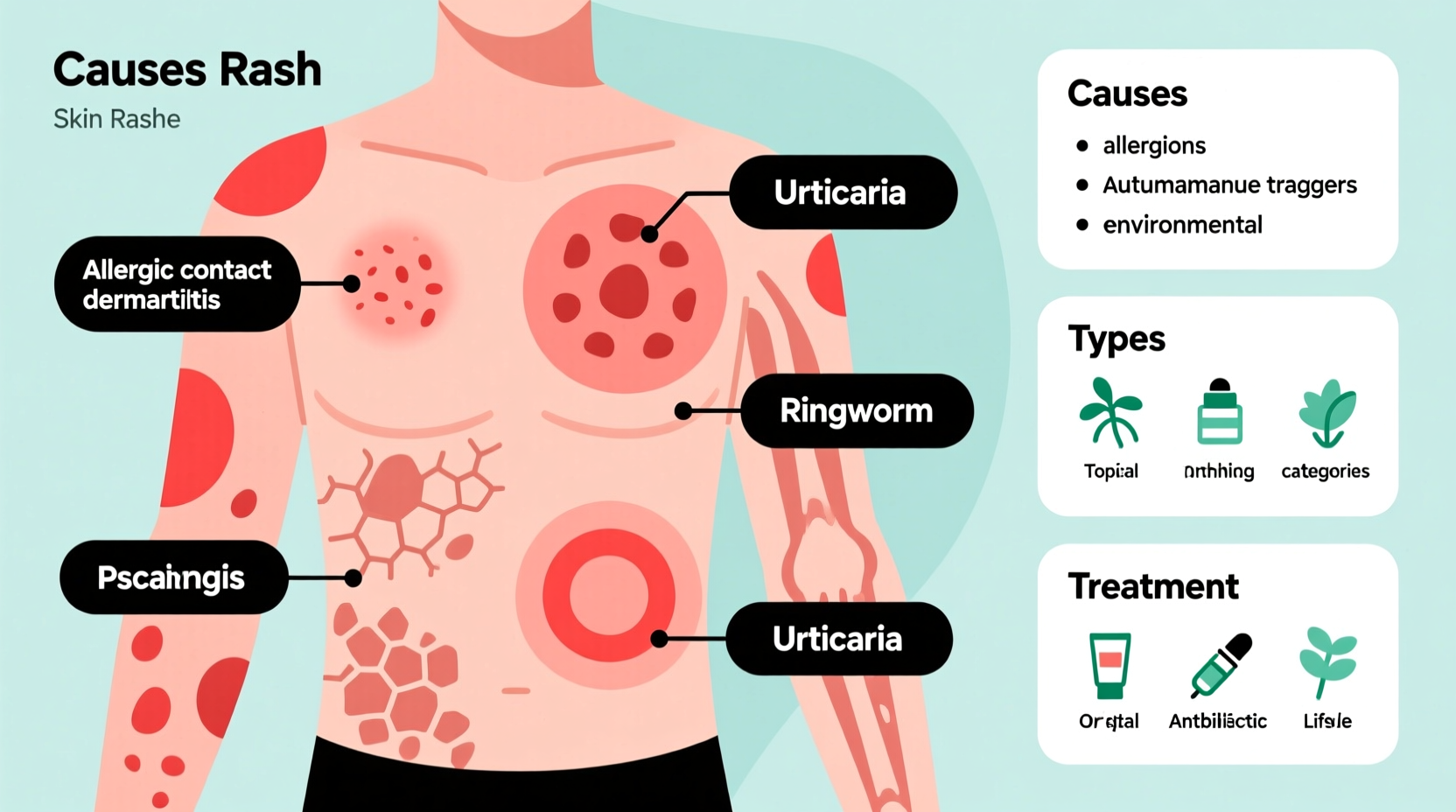
Skin rashes arise from a variety of internal and external factors. Some develop quickly after exposure, while others appear gradually over time. Identifying the cause helps determine the best course of action.
- Allergic reactions: Contact with allergens like nickel, fragrances, latex, or certain plants (e.g., poison ivy) can trigger allergic contact dermatitis.
- Irritants: Harsh soaps, detergents, chemicals, or frequent hand-washing strip natural oils, leading to irritation and inflammation.
- Infections: Viral (e.g., shingles, measles), bacterial (impetigo), fungal (ringworm), or parasitic (scabies) infections often present with distinct rashes.
- Autoimmune disorders: Conditions like psoriasis, lupus, or lichen planus cause the immune system to attack healthy skin cells.
- Medication side effects: Antibiotics, NSAIDs, and anticonvulsants may induce rashes as adverse reactions.
- Heat and sweat: Miliaria (heat rash) occurs when sweat ducts become blocked, especially in hot, humid environments.
- Stress: Emotional stress can exacerbate conditions like eczema or hives, though it rarely causes rashes directly.
Different Types of Rashes and Their Characteristics
Rashes vary widely in appearance, location, and associated symptoms. Recognizing the type can guide self-care and inform medical consultation.
| Type of Rash | Appearance | Common Triggers | Treatment Approach |
|---|---|---|---|
| Eczema (Atopic Dermatitis) | Red, dry, itchy patches; may crack or ooze | Allergens, stress, weather changes | Mild steroids, moisturizers, trigger avoidance |
| Contact Dermatitis | Red, blistered, burning skin at point of contact | Chemicals, metals, plants | Wash area, topical corticosteroids |
| Hives (Urticaria) | Raised, pale pink welts that come and go | Foods, medications, insect bites | Antihistamines, avoid allergen |
| Pityriasis Rosea | “Christmas tree” pattern of scaly patches | Viral infection (often post-viral) | Usually resolves on its own in weeks |
| Psoriasis | Thick, silvery scales on red plaques | Genetics, immune dysfunction | Topical treatments, phototherapy, biologics |
| Shingles | Painful blisters along nerve pathways | Reactivation of chickenpox virus | Antivirals, pain management |
When to Seek Medical Attention
While many rashes resolve with home care, some signal serious conditions requiring prompt evaluation. Look out for these red flags:
- Rash spreads rapidly or covers large areas of the body
- Accompanied by fever, chills, or joint pain
- Blisters, open sores, or signs of infection (pus, warmth, swelling)
- Appears after starting a new medication
- Difficulty breathing or swelling of the face—possible sign of anaphylaxis
“Any widespread rash with systemic symptoms should be evaluated immediately. Early diagnosis can prevent complications.” — Dr. Lena Patel, Board-Certified Dermatologist
Effective Treatment Strategies Based on Cause
Treatment depends on the underlying cause. Self-diagnosis can be misleading, but general approaches include:
For Allergic or Irritant Rashes
- Stop using suspected products immediately.
- Wash the affected area gently with lukewarm water and mild cleanser.
- Apply over-the-counter hydrocortisone cream (1%) for up to 7 days.
- Use fragrance-free moisturizers to restore the skin barrier.
For Hives
Oral antihistamines like cetirizine or loratadine reduce itching and swelling. If hives persist beyond six weeks (chronic urticaria), further testing is needed.
For Fungal Infections
Over-the-counter antifungals (clotrimazole, terbinafine) work well for athlete’s foot, jock itch, or ringworm. Keep the area dry and avoid sharing towels.
For Heat Rash
Cool the skin, wear loose clothing, and stay in air-conditioned environments. Calamine lotion can soothe irritation.
Prescription Treatments
Severe or persistent rashes may require prescription-strength creams, oral antibiotics, antivirals, or immunosuppressants. A dermatologist can perform patch testing or skin biopsies to confirm diagnoses.
Tip: Never pop blisters or peel flaking skin—it increases infection risk and delays healing.Prevention Checklist: Reducing Your Risk of Future Rashes
Proactive measures can minimize flare-ups and protect sensitive skin.
- ✔ Patch-test new skincare or cleaning products on a small area first
- ✔ Wear gloves when handling harsh chemicals or gardening
- ✔ Choose fragrance-free, hypoallergenic laundry detergents
- ✔ Moisturize daily, especially in dry or cold weather
- ✔ Avoid known allergens (e.g., shellfish, latex, specific medications)
- ✔ Stay cool and hydrated to prevent heat rash
- ✔ Get vaccinated—chickenpox and shingles vaccines reduce viral rash risks
Real-Life Example: Identifying a Hidden Allergen
Sarah, a 34-year-old teacher, developed a persistent rash on her hands and forearms every winter. She assumed it was dry skin and used heavy creams, but the condition worsened. After seeing a dermatologist, she underwent patch testing and discovered an allergy to methylisothiazolinone—a preservative in her hand soap and sanitizer. Switching to preservative-free products resolved the rash within two weeks. This case highlights how everyday items can harbor hidden irritants.
Frequently Asked Questions
Can stress really cause a rash?
Stress doesn’t directly cause most rashes but can trigger or worsen conditions like eczema, psoriasis, and hives by increasing inflammation and weakening the skin barrier.
Is a rash contagious?
It depends on the cause. Rashes from allergies or autoimmune diseases aren’t contagious. However, those caused by infections—like impetigo, scabies, or shingles—can spread through direct contact.
How long does a typical rash last?
Mild rashes may clear in a few days with treatment. Others, such as pityriasis rosea, last 6–8 weeks. Chronic conditions like psoriasis require ongoing management.
Conclusion: Take Control of Your Skin Health
Breaking out in a rash is more than a nuisance—it’s a signal from your body that something needs attention. Whether the cause is environmental, immunological, or infectious, understanding your skin’s response empowers better decisions. With careful observation, targeted treatment, and preventive habits, most rashes can be managed effectively. Don’t ignore persistent or worsening symptoms. Consult a healthcare provider to get a precise diagnosis and personalized care plan.
💬 Have you experienced a mysterious rash? Share your story or tips in the comments—your insight could help someone else find relief.








