
Shrimp is a popular seafood choice around the world, prized for its flavor and versatility in dishes from stir-fries to sushi. But for some, enjoying a shrimp dinner can trigger an immediate and potentially dangerous reaction. If you’ve ever experienced itching, swelling, or difficulty breathing after eating shrimp, you may be dealing with a shellfish allergy—one of the most common food allergies in adults. Unlike many childhood allergies that fade over time, shrimp allergy often persists for life. Understanding why this happens, recognizing the signs early, and knowing how to respond can make all the difference in managing your health safely.
Understanding Shrimp Allergy: What Happens in Your Body?
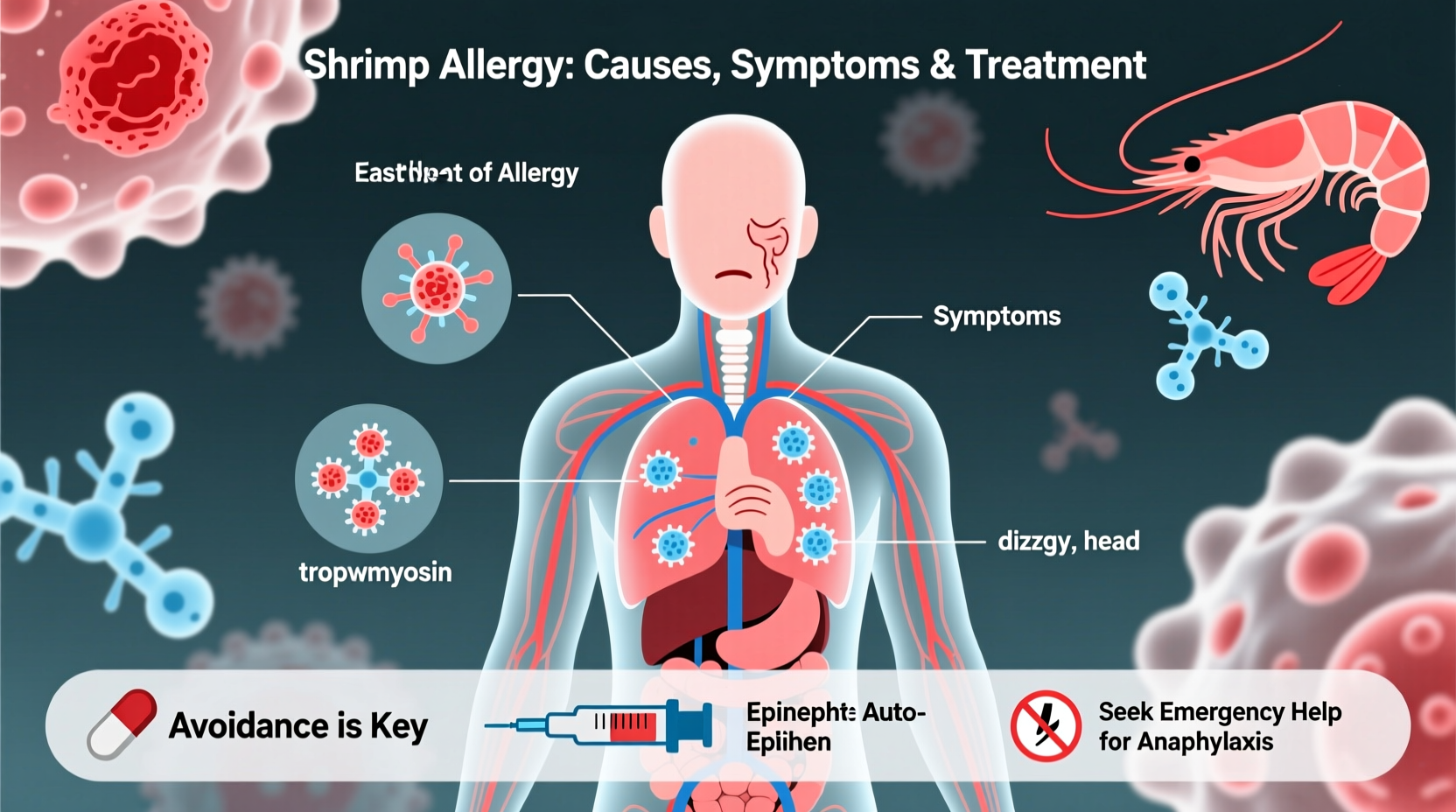
A shrimp allergy occurs when your immune system mistakenly identifies proteins in shrimp as harmful invaders. The primary culprit is a protein called **tropomyosin**, which is abundant in shellfish muscles and highly resistant to heat and digestion. When you consume shrimp, your immune system produces immunoglobulin E (IgE) antibodies to fight off what it perceives as a threat. This triggers the release of histamine and other chemicals, leading to allergic symptoms ranging from mild discomfort to life-threatening anaphylaxis.
Unlike intolerances—which affect digestion—true allergies involve the immune system and can escalate quickly. It’s important to distinguish between a mild sensitivity and a full-blown allergy, especially since even trace amounts of shrimp can provoke severe reactions in sensitive individuals.
Tip: If you suspect a shrimp allergy, avoid all forms of shellfish—including crab, lobster, and crawfish—as cross-reactivity is common.Common Symptoms of Shrimp Allergy
Symptoms typically appear within minutes to two hours after ingestion but can occasionally be delayed. They vary widely in severity and may include:
- Skin reactions: Hives, itching, redness, or swelling (especially of the lips, face, or throat)
- Gastrointestinal issues: Nausea, vomiting, stomach cramps, or diarrhea
- Respiratory problems: Runny nose, sneezing, coughing, wheezing, or shortness of breath
- Cardiovascular symptoms: Dizziness, lightheadedness, or drop in blood pressure
- Anaphylaxis: A severe, whole-body reaction requiring emergency treatment
In children, eczema flare-ups or chronic nasal congestion may also signal an underlying shellfish allergy. Some people experience oral allergy syndrome (OAS), where the mouth tingles or itches immediately after contact with raw shrimp, though this is less common than with fruits or vegetables.
“Shellfish allergy is one of the leading causes of food-induced anaphylaxis in adults. Even small exposures through airborne particles in seafood kitchens can trigger reactions.” — Dr. Linda Chen, Allergist & Clinical Immunologist
Why Are You Allergic? Causes and Risk Factors
The exact reason why some people develop a shrimp allergy isn’t fully understood, but several factors increase the risk:
- Genetics: A family history of allergies increases susceptibility.
- Age: While it can start at any age, shrimp allergy most commonly develops in adulthood.
- Previous exposure: Frequent consumption may sensitize the immune system over time.
- Environmental factors: Living in coastal regions with high seafood consumption correlates with higher diagnosis rates.
- Other allergies: People with asthma or allergic rhinitis are more prone to food allergies.
Interestingly, cooking shrimp can alter the structure of tropomyosin, but not enough to eliminate allergenicity. In fact, steaming or boiling may release allergenic vapors into the air, posing a risk during food preparation. Cross-contamination in restaurants or shared cooking surfaces is another hidden danger.
Diagnosis and Testing Options
If you suspect a shrimp allergy, proper diagnosis is essential. Self-diagnosis can lead to unnecessary dietary restrictions or, worse, missed warnings before a severe episode. Common diagnostic methods include:
| Test Type | Description | Reliability |
|---|---|---|
| Skin Prick Test | A small amount of shrimp extract is applied to the skin using a tiny needle. | High – quick results, but may yield false positives |
| Blood Test (sIgE) | Measures specific IgE antibodies to shrimp proteins in the bloodstream. | Moderate to High – useful for confirming sensitization |
| Oral Food Challenge | Controlled ingestion of shrimp under medical supervision. | Gold Standard – definitive, but carries risk |
| Elimination Diet | Remove shrimp from diet, then reintroduce under guidance. | Supportive – used alongside other tests |
Only a board-certified allergist should interpret these results. A positive test doesn’t always mean a clinical allergy; some people show sensitization without experiencing symptoms.
Effective Treatment and Emergency Response
There is currently no cure for shrimp allergy. Management focuses on avoidance and preparedness.
Immediate Treatment During a Reaction
- Stop eating: Remove any remaining food from the mouth.
- Assess symptoms: Mild hives or itching may respond to antihistamines like diphenhydramine.
- Use epinephrine: At the first sign of anaphylaxis (difficulty breathing, throat tightness, dizziness), inject epinephrine immediately using an auto-injector (e.g., EpiPen).
- Seek emergency care: Call 911—even if symptoms improve after epinephrine, a secondary wave of reaction can occur hours later.
Long-Term Management Strategies
- Read all food labels carefully—shrimp can hide in sauces, broths, and surimi (imitation crab).
- Inform restaurant staff about your allergy and ask about preparation practices.
- Wear a medical ID bracelet listing your allergy.
- Educate family, coworkers, and school personnel on how to recognize symptoms and use an auto-injector.
Real-Life Scenario: A Close Call at Dinner
Mark, a 34-year-old graphic designer, had eaten shrimp occasionally throughout his life without issue. After a seafood paella at a new tapas bar, he began feeling itchy around his mouth. Within minutes, his tongue swelled and he struggled to breathe. His dining companion recognized the signs of anaphylaxis, retrieved Mark’s forgotten EpiPen from his bag, and administered the injection while calling 911. At the hospital, Mark was diagnosed with a newly developed shrimp allergy. He now carries two epinephrine pens, avoids all shellfish, and carefully researches menus before dining out. “I didn’t think allergies could start in adulthood,” he says. “Now I know better—and I take every precaution.”
Frequently Asked Questions
Can you suddenly become allergic to shrimp as an adult?
Yes. Unlike milk or egg allergies, which often resolve in childhood, shrimp allergy frequently develops in adulthood and tends to be lifelong. Sudden onset is common and can happen after years of safe consumption.
Is there a difference between shellfish and fish allergies?
Yes. Shellfish (like shrimp, crab, and lobster) are invertebrates, while fish (such as salmon or tuna) are vertebrates. The allergens are different, so being allergic to one doesn’t necessarily mean you’re allergic to the other. However, cross-contamination is still a serious concern.
Are there any treatments on the horizon?
Oral immunotherapy (OIT) for shellfish is still experimental and not approved for clinical use. Research is ongoing, but strict avoidance remains the standard of care.
Prevention Checklist
To stay safe and reduce risks, follow this actionable checklist:
- ✅ Get formally tested by an allergist if you suspect a shrimp allergy
- ✅ Carry epinephrine at all times and ensure it’s not expired
- ✅ Learn to read ingredient labels for hidden sources (e.g., \"seafood flavoring\")
- ✅ Inform servers and chefs when eating out—ask about fryers and shared utensils
- ✅ Teach children and caregivers how to identify symptoms and respond
- ✅ Avoid aerosolized exposure in seafood markets or kitchens
- ✅ Have an emergency action plan posted at home and work
Final Thoughts: Taking Control of Your Health
Living with a shrimp allergy requires vigilance, but it doesn’t have to limit your quality of life. With accurate diagnosis, clear communication, and smart precautions, you can navigate social events, travel, and dining with confidence. Never downplay early symptoms, and always prioritize safety over convenience. By understanding your body’s response and preparing for the unexpected, you empower yourself to live fully—without fear.
💬 Your experience matters. Have questions about managing a shrimp allergy or tips that helped you stay safe? Share your story in the comments below and support others navigating the same journey.








