A well-placed cat litter box can make a world of difference in both your cat’s behavior and your household harmony. Cats are naturally clean animals, but even the most fastidious feline can develop litter box avoidance issues if their bathroom environment is stressful, inconvenient, or poorly maintained. The key isn’t just cleanliness—it’s location. Choosing the right spot balances your cat’s need for privacy with practical concerns like odor control, accessibility, and integration into your living space.
The ideal litter box placement supports your cat’s instinctual behaviors while minimizing disruptions to your daily life. It should be quiet, accessible, and removed from high-traffic zones, yet not so isolated that your cat feels trapped or anxious. With thoughtful planning, you can create a setup that promotes consistent use, reduces accidents, and keeps your home smelling fresh.
Understanding Your Cat’s Litter Box Needs
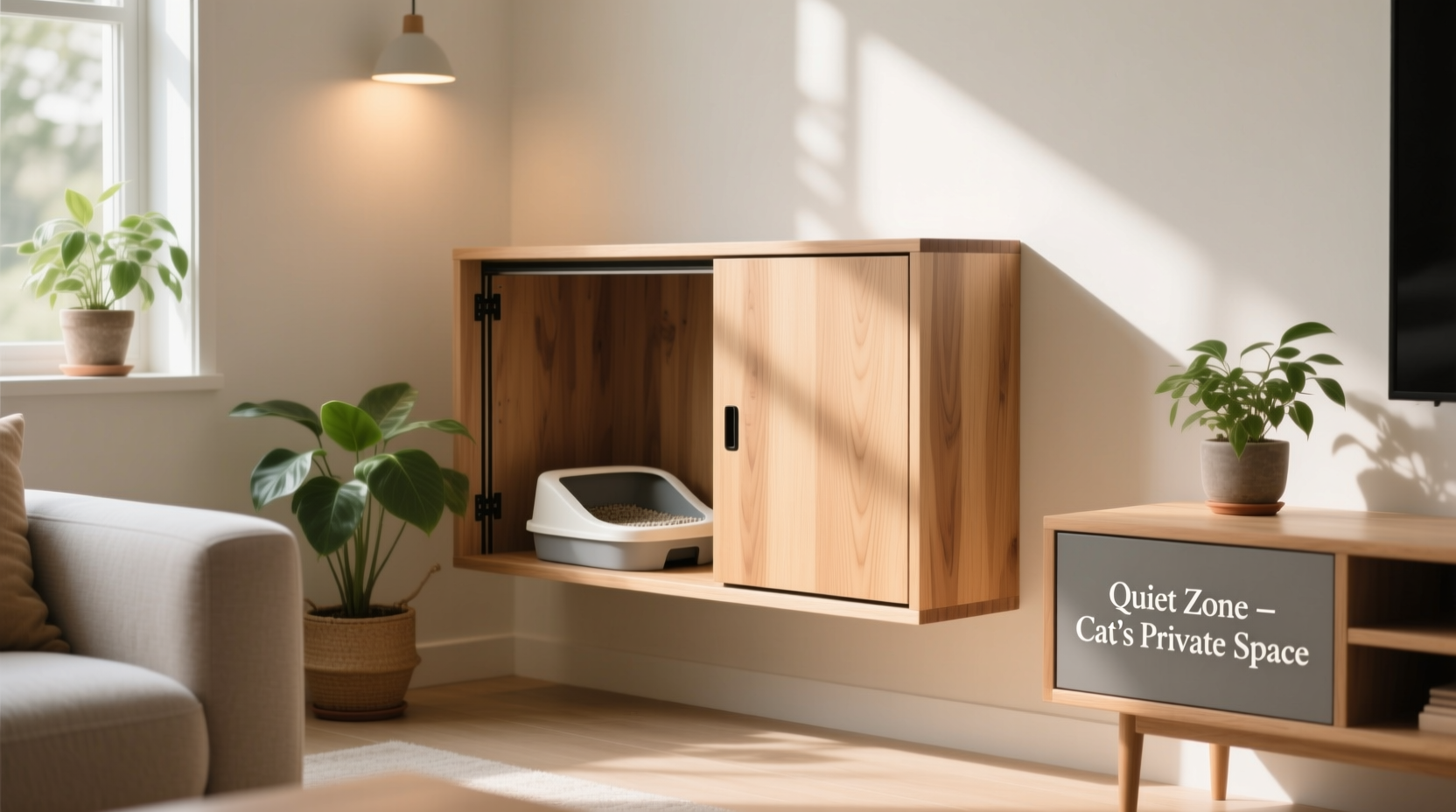
Cats are creatures of habit and sensitivity. Their choice of where to eliminate is influenced by safety, scent, texture, and routine. A litter box in the wrong location can lead to inappropriate elimination—such as urinating on rugs, beds, or laundry—which is often misinterpreted as defiance but is usually a response to environmental stress.
Cats prefer privacy when using the bathroom. In the wild, they bury their waste to avoid attracting predators. A visible or noisy litter box can make them feel exposed and vulnerable. At the same time, placing it too far away—especially in multi-level homes—can discourage use, particularly in older or less mobile cats.
Additionally, cats have a powerful sense of smell. Strong household odors near the litter box (like cleaning products, food, or air fresheners) may deter them. Conversely, poor ventilation can allow ammonia buildup, making the area unpleasant for both pet and owner.
Tip: Always provide one more litter box than the number of cats in your home—one per floor plus an extra—to reduce territorial disputes and ensure accessibility.Key Factors in Choosing the Right Location
Selecting the optimal spot requires balancing several factors:
- Quietness: Avoid areas near loud appliances, TVs, or foot traffic.
- Accessibility: Ensure kittens, seniors, and arthritic cats can enter and exit easily.
- Privacy: Use low walls, cabinets, or room dividers to create a semi-enclosed space.
- Ventilation: Choose areas with airflow to disperse odors naturally.
- Separation from food and water: Cats instinctively avoid eliminating near eating areas.
Avoid placing the litter box beside washing machines or furnaces. While basements and utility rooms offer seclusion, sudden noises or vibrations from appliances can startle cats mid-use, leading to negative associations.
Room-by-Room Evaluation: Best and Worst Locations
| Location | Pros | Cons | Verdict |
|---|---|---|---|
| Bathroom (guest or unused) | Private, enclosed, easy to clean flooring | Door may be closed; noise from flushing | ✅ Good (if consistently accessible) |
| Bedroom (owner’s or guest) | Quiet, climate-controlled | Odor in sleeping space; disturbed sleep | ⚠️ Conditional (only if well-ventilated and used by single occupant) |
| Kitchen | Hard flooring, often central | Food proximity violates natural instincts | ❌ Poor |
| Basement or Utility Room | Out of sight, dedicated space | Potential noise, cold, or dampness | ✅ Acceptable (with modifications) |
| Living Room or Open Plan Area | Accessible, monitored | Lack of privacy, social stress | ❌ Not Recommended |
| Walk-in Closet or Linen Cabinet | Enclosed, out of view | May lack ventilation; storage interference | ✅ Excellent (if modified for access and airflow) |
“Cats are highly sensitive to their elimination environment. A litter box in a chaotic or noisy area can trigger anxiety and lead to house-soiling, even in previously reliable cats.” — Dr. Sarah Bennett, DVM, Feline Behavior Consultant
Step-by-Step Guide to Optimizing Litter Box Placement
Follow this sequence to identify and set up the best possible location:
- Assess your home layout: Identify quiet, low-traffic areas on each floor.
- Rule out unsuitable zones: Eliminate kitchens, dining areas, and active living spaces.
- Test temporary placements: Place boxes in 2–3 candidate spots for 3–5 days each, observing usage patterns.
- Evaluate accessibility: Ensure all cats can enter without jumping or squeezing.
- Add privacy features: Use a litter box enclosure, screen divider, or furniture barrier.
- Improve ventilation: Install a small fan or open a vent nearby to reduce odor buildup.
- Monitor and adjust: Watch for signs of avoidance—circling, sniffing, walking away—and relocate if needed.
Real-Life Example: Solving Litter Box Avoidance in a Busy Household
The Rivera family had two cats and a growing problem: one of their cats, Luna, began urinating on the hallway rug. They assumed she was marking territory, but after consulting a behaviorist, they discovered the root cause was location-related stress.
Their single litter box was tucked behind the washing machine in the basement—a dark, noisy space that activated every few hours. Luna, a shy and cautious cat, would wait until late at night to go downstairs, but sometimes couldn’t hold it. After relocating a second box to a quiet corner of the main-floor guest bathroom (with a half-door for privacy), Luna immediately began using it consistently. Within a week, the accidents stopped.
This case highlights how even subtle environmental stressors can disrupt litter box habits—and how a simple relocation can restore peace.
Essential Checklist for Ideal Litter Box Setup
- ☑ Located on every floor of the home
- ☑ At least 3–5 feet away from food and water bowls
- ☑ Away from loud appliances (washer, dryer, furnace)
- ☑ In a low-traffic, quiet area with minimal foot traffic
- ☑ Accessible to all cats, including seniors and kittens
- ☑ Positioned in a well-ventilated space
- ☑ Surrounded by partial barriers for privacy (without full enclosure unless well-designed)
- ☑ Not hidden behind closed doors or in closets that are frequently shut
Frequently Asked Questions
Can I keep the litter box in the closet?
Yes, but only if the door remains open at all times and the space is well-ventilated. Consider cutting a cat-sized opening at the bottom or installing a permanent pet door. Line shelves above with easy-to-clean materials, and avoid storing items directly above the box.
Is it okay to place a litter box in the bedroom?
It can work—if you’re the only occupant and the room is large enough to separate sleeping and litter areas. Use an odor-controlling litter and a covered or ventilated box. However, most experts recommend reserving bedrooms for rest and bonding, not waste management.
What if I live in a studio apartment?
In small spaces, use creative solutions: a decorative screen, a custom cabinet with a cutout, or a partitioned corner. Prioritize regular scooping and air purification. Consider automatic self-cleaning boxes to reduce odor and maintenance burden.
Final Thoughts: Peace Begins with Placement
The best place for a cat litter box isn’t defined by human convenience alone—it’s where your cat feels safe, private, and unpressured. When you align your choices with your cat’s instincts, you foster trust, reduce behavioral issues, and maintain a cleaner, calmer home. A thoughtfully placed litter box doesn’t just manage waste; it supports your cat’s emotional well-being and strengthens your bond.
💬 Have a clever litter box setup that works for your home? Share your solution in the comments and help fellow cat owners find peace, privacy, and harmony.








