Dog owners often marvel at the instinctual behaviors of mother dogs, especially during the first few weeks after birth. One of the most common yet misunderstood actions is when a mother dog picks up her puppies in her mouth and moves them from one place to another. While this behavior may seem alarming to humans—especially those unfamiliar with canine instincts—it is typically a natural and essential part of maternal care. Understanding the reasons behind this behavior, as well as knowing when it's appropriate or when intervention may be needed, is crucial for responsible pet ownership.
The Instinct Behind Carrying Puppies
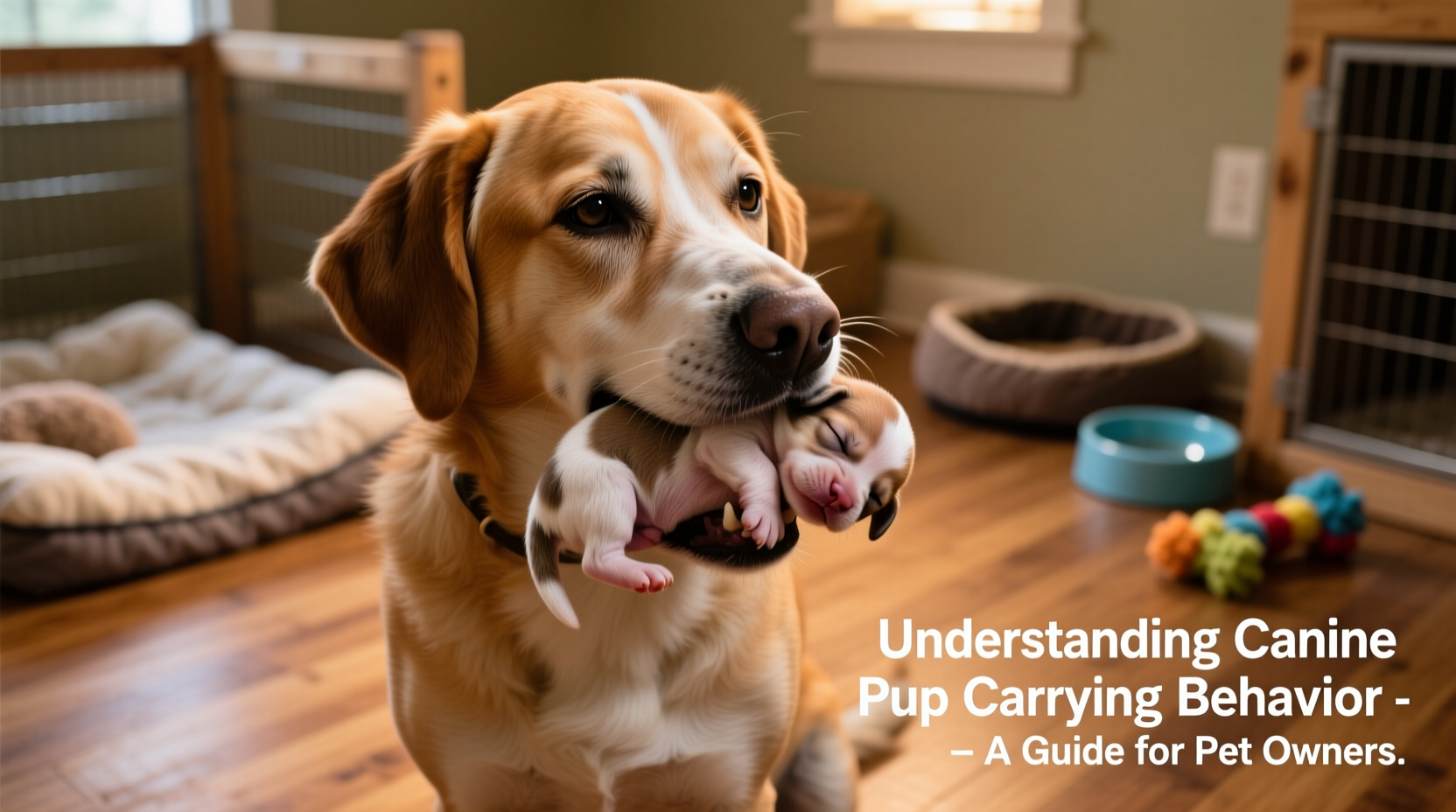
Mother dogs carry their puppies primarily due to deeply ingrained survival instincts passed down through generations. In the wild, canines needed to protect their young from predators, harsh weather, or unsanitary dens. Relocating puppies ensured their safety and improved chances of survival. Even domesticated dogs retain these instincts, which surface strongly during the postpartum period.
When a mother dog carries a puppy, she gently grasps it by the scruff—the loose skin at the back of the neck. This method allows her to transport the pup without causing harm. The scruff reflex causes the puppy to go limp, minimizing resistance and injury. This same reflex is why veterinarians and experienced handlers use the scruff to safely restrain small puppies during medical checks.
“Carrying puppies by the scruff is not only normal but a sign of healthy maternal behavior. It demonstrates the mother’s attentiveness and protective nature.” — Dr. Laura Simmons, Veterinary Ethologist
Common Reasons Why a Mother Dog Moves Her Puppies
There are several practical and emotional motivations behind a mother dog relocating her litter:
- Perceived Threats: Even subtle changes like noise, unfamiliar scents, or new people near the nesting area can trigger a mother’s protective instincts.
- Uncomfortable Environment: If the whelping box is too hot, cold, damp, or dirty, the mother may seek a more suitable location.
- Desire for Privacy: Some mothers prefer secluded areas where they feel less observed or disturbed.
- Poor Nest Construction: If bedding shifts or collapses, the mother may decide to move the pups to a more stable space.
- Health Concerns: A sick or weak puppy might be isolated by the mother, though this requires close monitoring by the owner.
How Dogs Carry Puppies Safely: What Owners Should Know
While carrying puppies by the scruff appears rough to human eyes, it is anatomically safe when done correctly. The scruff is specifically adapted to support temporary lifting in young canines. However, there are signs that indicate whether the behavior is healthy or potentially problematic:
| Healthy Behavior | Potentially Problematic Signs |
|---|---|
| Gentle grip with no vocalization from the puppy | Puppies crying excessively during or after being moved |
| Regular nursing and grooming after relocation | Mother avoids or snaps at certain puppies |
| Moves all puppies together to a clean, quiet spot | Frequently moves pups without settling |
| Remains attentive and calm | Appears anxious, aggressive, or disoriented |
If the mother consistently exhibits distress or harmful behavior, such as dropping pups roughly or refusing to care for them, veterinary consultation is advised. These could be signs of illness, hormonal imbalance, or inadequate maternal bonding.
Step-by-Step: Creating an Ideal Whelping Environment to Prevent Unnecessary Moving
To minimize disruptive relocations, follow this timeline to set up and maintain a supportive birthing space:
- 7–10 Days Before Due Date: Prepare a quiet, warm, and enclosed whelping box in a low-traffic area. Use soft, absorbent bedding that’s easy to clean.
- Monitor Temperature: Maintain room temperature between 80–85°F (27–29°C) for newborns; gradually decrease over four weeks.
- Limited Human Interaction: Allow only essential handling during the first 3–5 days to prevent maternal stress.
- Observe Without Intruding: Watch from a distance using a baby monitor if needed, avoiding sudden movements near the nest.
- Adjust Based on Behavior: If the mother begins moving pups, assess the current environment for potential triggers and modify accordingly—e.g., add warmth, reduce light, or relocate the entire setup calmly.
When Intervention Is Necessary
While most cases of puppy-carrying are harmless, some situations require human intervention. For example, if a mother persistently abandons a puppy or attempts to carry it outside the safe zone (such as into another room or outdoors), action must be taken. Similarly, if she shows signs of mastitis, fever, or lethargy, her ability to care for the litter may be compromised.
In such cases, gently return displaced puppies to the whelping box and consult a veterinarian promptly. You may need to assist with feeding and warmth until the mother recovers or alternative care plans are established.
“I once treated a Labrador who kept moving her pups into a bathroom sink. After investigation, we realized the original nest was near a drafty window. Once relocated to a warmer corner, she settled immediately.” — Dr. Alan Reyes, DVM, Canine Reproduction Specialist
Checklist: Monitoring Maternal Behavior in the First Two Weeks
- ✅ Observe frequency and gentleness of puppy carrying
- ✅ Ensure all puppies are being nursed regularly
- ✅ Check for signs of injury or distress in pups after being moved
- ✅ Monitor mother’s appetite, hydration, and elimination habits
- ✅ Keep emergency vet contact information accessible
- ✅ Weigh puppies daily to track growth and detect nursing issues early
Frequently Asked Questions
Is it normal for a mother dog to carry her puppies by the neck?
Yes, it is completely normal. Mother dogs use the scruff of the neck to carry puppies safely. The scruff reflex helps keep the pup still and prevents injury during transport.
What should I do if my dog keeps moving her puppies around?
If she’s relocating them frequently, evaluate the whelping environment for disturbances, temperature fluctuations, or discomfort. Make adjustments to encourage her to stay put. If movement continues without resolution, consult your vet.
Can I stop my dog from moving her puppies?
You shouldn’t physically stop her, as this may increase stress. Instead, address the underlying cause—such as noise, light, or poor bedding—and create a more secure, comfortable space that meets her needs.
Conclusion: Supporting Nature with Knowledge
Understanding why and how dogs carry their puppies empowers pet owners to support maternal instincts rather than interfere unnecessarily. By recognizing the biological roots of this behavior and creating a calm, secure environment, you allow the mother dog to nurture her young effectively. Most importantly, vigilant observation enables timely intervention when something goes awry—without undermining the natural bond between mother and pups.
💬 Have you observed your dog carrying her puppies? Share your experience or questions below—your insights could help fellow pet owners navigate this special time with confidence.








