
Switching your dog from kibble or processed diets to fresh pet food can significantly improve their energy, coat quality, digestion, and overall longevity. However, a sudden change in diet can lead to gastrointestinal upset, refusal to eat, or nutritional imbalances. A thoughtful, gradual transition is essential to ensure your dog adapts well—both physically and behaviorally—to their new meals. This guide provides science-based strategies, practical timelines, and expert insights to help you make the switch confidently and successfully.
Why Fresh Food Matters for Canine Health
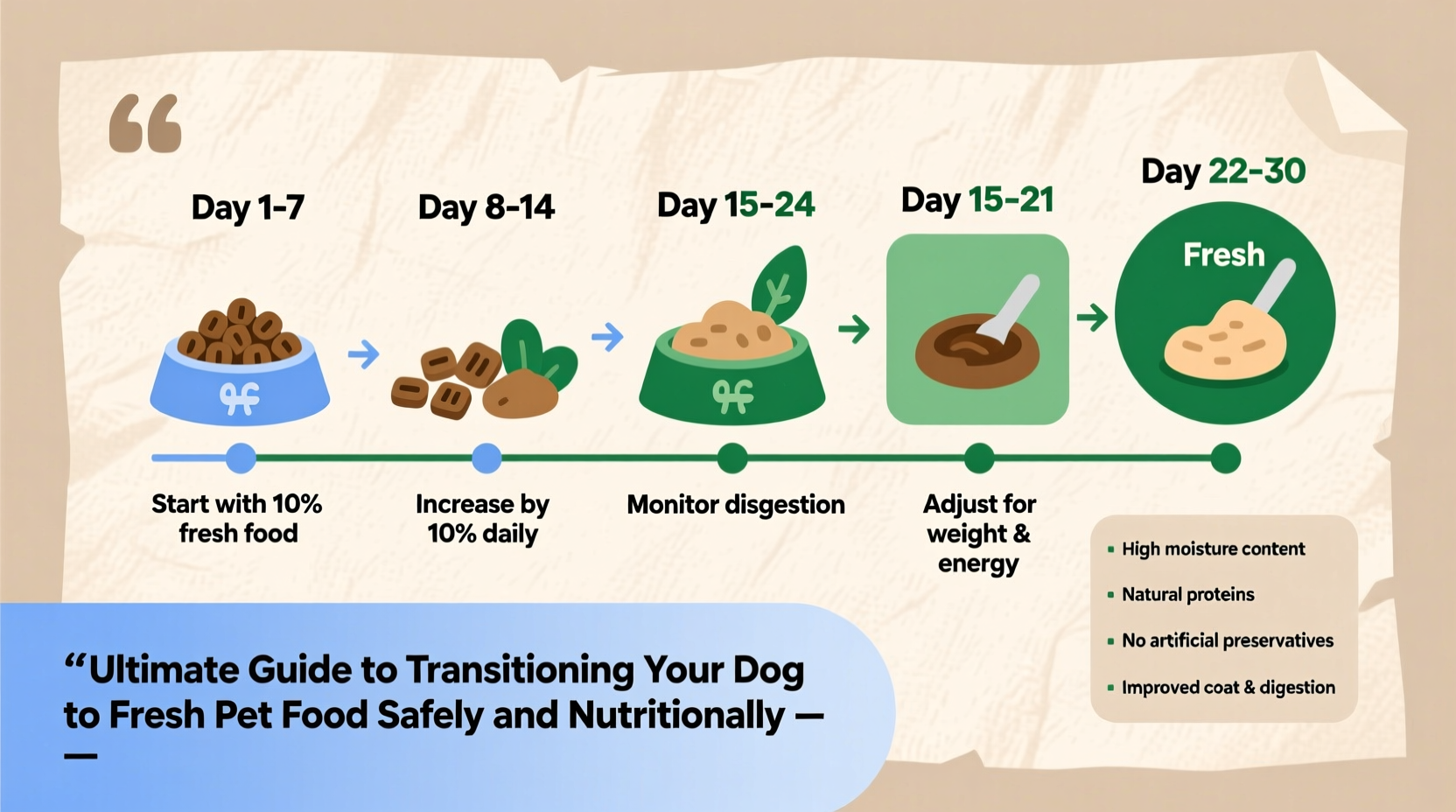
Fresh pet food typically contains whole ingredients like real meat, vegetables, fruits, and healthy fats—without artificial preservatives, fillers, or excessive carbohydrates. Unlike ultra-processed kibble, which often undergoes high-heat extrusion that degrades nutrients, fresh food retains more bioavailable vitamins, enzymes, and amino acids critical for long-term wellness.
Studies have shown dogs on balanced fresh diets experience improved stool quality, reduced inflammation, better skin and coat condition, and even enhanced cognitive function in senior dogs. Veterinarians specializing in nutrition increasingly recommend fresh or lightly cooked diets as part of a holistic approach to canine health.
“Dogs are biologically adapted to digest and thrive on nutrient-dense animal proteins and whole foods. When properly formulated, fresh diets align more closely with their evolutionary needs.” — Dr. Lena Torres, DVM, Board-Certified Veterinary Nutritionist
The Step-by-Step Transition Timeline
A successful transition takes patience. Rushing the process is the most common cause of digestive issues. Follow this 7-day phased plan for a smooth shift:
- Days 1–2: Mix 25% fresh food with 75% current food.
- Days 3–4: Increase to 50% fresh and 50% old food.
- Days 5–6: Use 75% fresh and 25% old food.
- Day 7: Feed 100% fresh food.
For sensitive dogs or those with preexisting digestive conditions, extend each phase by 2–3 days. Monitor appetite, energy levels, stool consistency, and any signs of gas or vomiting. If discomfort occurs, revert to the previous ratio and progress more slowly.
Tip: Warm fresh food slightly (not hot) to enhance aroma—this encourages picky eaters to accept the new diet.Nutritional Balance: What to Look for in Fresh Food
Not all fresh pet foods are created equal. Some commercial brands meet AAFCO standards; others require supplementation. If preparing meals at home, consult a veterinary nutritionist to avoid deficiencies in calcium, phosphorus, zinc, or taurine.
Key components of a balanced fresh diet include:
- High-quality animal protein (chicken, beef, turkey, fish)
- Organ meats (liver, kidney – 5–10% of total meat content)
- Digestible carbohydrates (sweet potato, pumpkin, brown rice – optional based on breed and activity)
- Healthy fats (fish oil, flaxseed, egg yolks)
- Calcium source (ground eggshells, bone meal, or supplements if raw)
- Moderate fiber from vegetables (carrots, spinach, zucchini)
| Nutrient | Function | Common Sources |
|---|---|---|
| Protein | Muscle maintenance, immune support | Chicken breast, lean beef, eggs |
| Calcium | Bone health, nerve function | Ground eggshell (½ tsp per 500g meat), bone-in minces |
| Omega-3 Fatty Acids | Reduce inflammation, support brain health | Fish oil, sardines, chia seeds |
| Vitamin E | Antioxidant, skin/coat health | Sunflower oil, spinach, almonds (in moderation) |
Checklist: Preparing for Your Dog’s Fresh Food Transition
Before making the switch, complete these essential steps:
- ✔ Consult your veterinarian, especially if your dog has kidney disease, diabetes, or allergies.
- ✔ Choose a reputable fresh food brand or recipe vetted by a board-certified nutritionist.
- ✔ Calculate daily caloric needs based on weight, age, and activity level.
- ✔ Purchase proper storage containers and label them with dates.
- ✔ Plan meals in advance to maintain consistency.
- ✔ Introduce one protein source at a time to monitor for sensitivities.
- ✔ Keep a food journal tracking stool quality, energy, and appetite.
Real Example: Transitioning Bella, a 3-Year-Old Poodle
Bella had chronic soft stools and a dull coat despite eating premium kibble. Her owner, Maria, decided to try a human-grade fresh food brand after consulting her vet. She followed the 7-day transition plan but noticed mild gas on Day 4. She paused progression for two extra days at the 50/50 ratio before advancing. By Day 10, Bella was fully on fresh food. Within three weeks, her stools firmed up, shedding decreased, and her energy during walks noticeably increased. Blood work six weeks later showed improved liver enzyme levels and higher B-vitamin absorption.
Maria attributes the success not just to the food itself, but to the slow, observant approach she took—proving that patience pays off.
Avoid These Common Mistakes
Even well-intentioned owners make errors when switching diets. Steer clear of these pitfalls:
- Mixing too many proteins at once: Increases risk of intolerance and makes troubleshooting difficult.
- Skipping the transition period: Sudden changes disrupt gut microbiota, leading to diarrhea or vomiting.
- Overfeeding organ meats: Liver is rich in vitamin A—too much can be toxic. Stick to 5–10% of total meat content.
- Ignoring portion control: Fresh food is more calorie-dense than kibble. Measure portions precisely.
- Using unbalanced homemade recipes: Many online recipes lack essential nutrients. Always validate with a professional.
Frequently Asked Questions
Can I mix fresh food with kibble long-term?
While possible, it's not ideal. Kibble and fresh food digest at different rates, which may reduce nutrient absorption and increase fermentation in the gut. If mixing is necessary, consider feeding them at separate meals rather than combined in one bowl.
How do I know if my dog’s fresh diet is balanced?
Look for visible signs like consistent energy, shiny coat, firm stools, and healthy weight. For certainty, choose commercial fresh foods labeled as “complete and balanced” per AAFCO guidelines, or have a homemade diet analyzed by a veterinary nutritionist.
Is raw food safe for my dog?
Raw diets can be safe if handled properly and nutritionally complete. However, they carry risks of bacterial contamination (e.g., Salmonella, Listeria), especially in homes with young children, elderly individuals, or immunocompromised people. Cooking minimizes these risks while still preserving most nutrients.
Final Thoughts and Next Steps
Transitioning your dog to fresh pet food isn’t just about changing what’s in the bowl—it’s about elevating their entire quality of life. With careful planning, attention to nutritional balance, and a gradual timeline, you can set your dog up for better digestion, vitality, and longevity. The key is consistency, observation, and collaboration with professionals who understand canine nutrition.
Start small, track changes, and adjust as needed. Whether you choose a trusted commercial fresh brand or work with a nutritionist on a custom recipe, your dog will benefit from real, whole ingredients prepared with care.
💬 Have you transitioned your dog to fresh food? Share your story or questions in the comments—your experience could help another pet parent make a confident decision.








