
Dogs are more than pets—they’re family. And when their birthday rolls around, celebrating with a special treat feels only natural. But while human birthday cakes are loaded with sugar, dairy, and artificial ingredients that can harm dogs, a homemade dog-friendly cake offers a safe, nutritious, and joyful alternative. Creating a cake your dog loves doesn’t mean sacrificing taste or celebration. With the right ingredients and preparation, you can craft a dessert that’s both wholesome and exciting for your pup.
This guide walks you through every step—from choosing safe ingredients to assembling a festive yet healthy cake—so your dog’s big day is as memorable as it is safe.
Why Homemade Dog Cakes Are Better Than Store-Bought
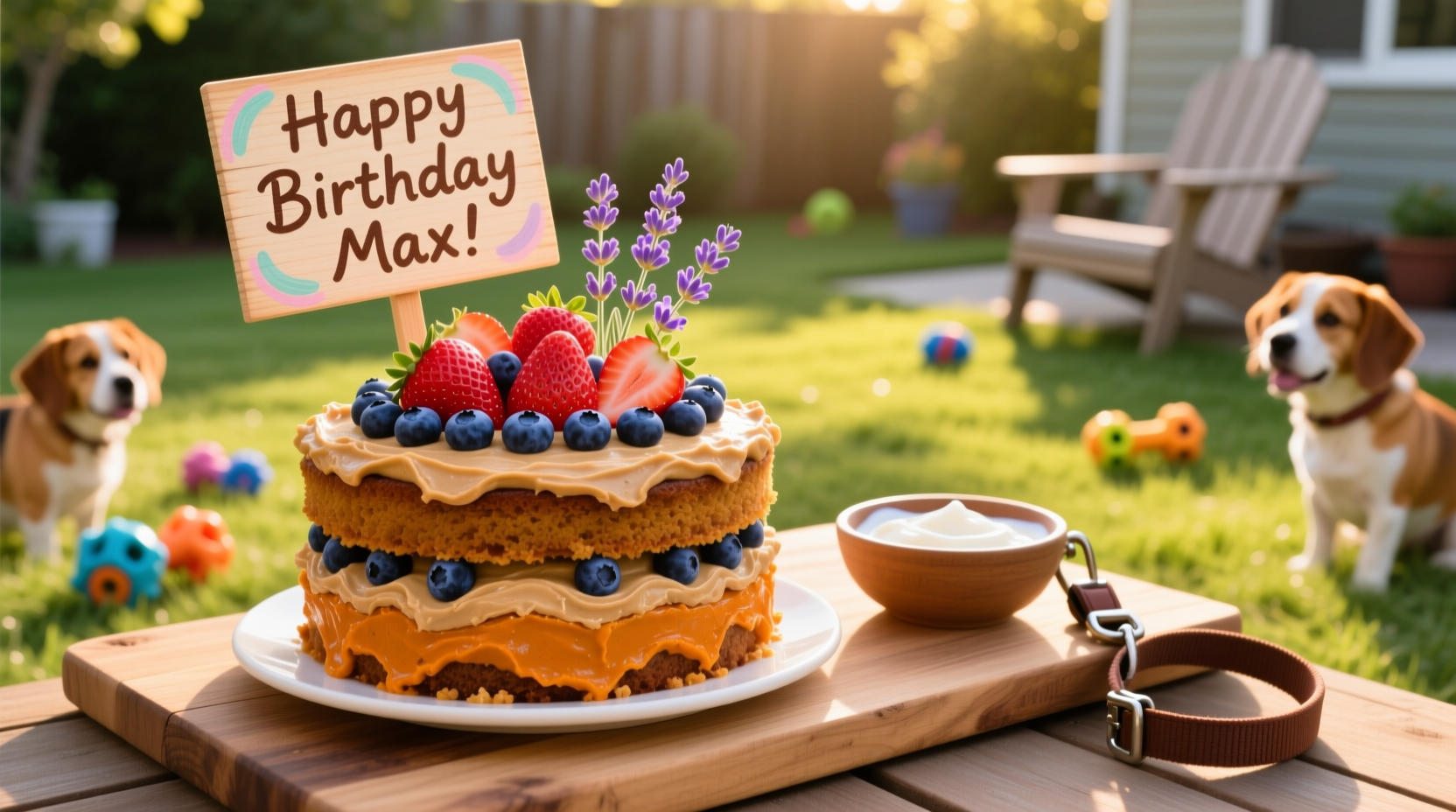
Many commercial dog treats and cakes contain preservatives, fillers, and artificial flavors. While some may be labeled “dog-safe,” they often include ingredients like wheat, soy, or added sugars that can trigger allergies or digestive issues. A homemade cake gives you full control over what goes into it. You can tailor it to your dog’s dietary needs, avoid allergens, and use fresh, whole foods that support their health.
Veterinarians increasingly recommend feeding dogs minimally processed foods. Dr. Karen Becker, a proactive and integrative wellness veterinarian, emphasizes:
“Diet plays a crucial role in long-term canine health. Even treats should contribute positively to a dog’s nutritional intake.” — Dr. Karen Becker, DVM
A well-made dog cake can include protein-rich peanut butter (xylitol-free), antioxidant-packed blueberries, and easily digestible flours like oat or coconut—all of which nourish while delighting your dog’s taste buds.
Safe and Nutritious Ingredients for Dog Cakes
Not all human foods are safe for dogs. Some common baking staples—like chocolate, grapes, raisins, xylitol, and excessive sugar—are toxic. The foundation of a healthy dog cake lies in choosing ingredients that are not only safe but also beneficial.
| Ingredient | Benefits for Dogs | Caution / Notes |
|---|---|---|
| Peanut Butter (no xylitol) | High in protein and healthy fats | Always check label; xylitol is deadly to dogs |
| Pumpkin (puree, not pie filling) | Rich in fiber, supports digestion | Avoid added sugars or spices |
| Oat Flour or Coconut Flour | Gluten-free, gentle on sensitive stomachs | Coconut flour absorbs more liquid—adjust batter accordingly |
| Plain Greek Yogurt (unsweetened) | Probiotics for gut health | Use sparingly if dog is lactose-sensitive |
| Blueberries | Antioxidants, low-calorie treat | Wash thoroughly; serve in moderation |
| Eggs | High-quality protein and essential amino acids | Cooked only—raw eggs carry salmonella risk |
Step-by-Step Guide to Baking a Dog-Friendly Birthday Cake
Creating a birthday cake for your dog is simple and fun. Follow this detailed process to bake a two-layer cake with frosting and decoration—all safe for canine consumption.
- Preheat & Prepare: Preheat oven to 350°F (175°C). Grease two 6-inch round cake pans or line with parchment paper.
- Mix Dry Ingredients: In a bowl, combine 1 cup oat flour, 1 tsp baking powder, and ½ tsp cinnamon (optional, aids digestion).
- Combine Wet Ingredients: In another bowl, whisk 1 egg, ⅓ cup unsweetened applesauce, ¼ cup natural peanut butter, and ½ cup canned pumpkin until smooth.
- Blend Together: Gradually add dry mix to wet ingredients, stirring until just combined. Do not overmix.
- Bake: Divide batter evenly between pans. Bake for 20–25 minutes, or until a toothpick inserted comes out clean. Cool completely before frosting.
- Make Frosting: Whip ½ cup plain Greek yogurt with 2 tbsp peanut butter. For thicker consistency, chill for 30 minutes.
- Assemble & Decorate: Place one layer on a plate, spread with frosting, top with second layer, then cover entire cake. Garnish with sliced bananas, blueberries, or dog biscuits.
Real Example: Max’s First Birthday Cake
Sophia, a dog owner from Portland, wanted to celebrate her 1-year-old Labrador mix Max’s birthday without compromising his sensitive stomach. After researching, she made a pumpkin-peanut butter cake using oat flour and topped it with yogurt frosting and fresh blueberries. She served it during a backyard gathering with other dog friends.
“Max went absolutely nuts for it,” Sophia said. “He ate slowly, which I loved, and had no digestive upset the next day. The other dogs were sniffing around for seconds!” Her success inspired her to start a small side business making custom dog birthday cakes for local pet owners.
This real-world example shows how a thoughtfully made cake can be both enjoyable and safe—even turning into a community favorite.
Dos and Don’ts of Dog Cake Making
- Do use organic, additive-free ingredients when possible.
- Do consider your dog’s age, weight, and health conditions (e.g., diabetes, pancreatitis).
- Do keep portions small—a few bites are enough for most dogs.
- Don’t use chocolate, coffee, avocado, onions, garlic, or artificial sweeteners.
- Don’t over-frost or overload with toppings—stick to dog-safe items.
- Don’t refrigerate for more than 3 days; freeze extras in slices for up to 3 months.
Frequently Asked Questions
Can I use regular flour in a dog cake?
While small amounts of all-purpose flour aren’t toxic, it offers little nutritional value and can cause bloating or allergic reactions in some dogs. Opt for oat, coconut, or chickpea flour for a healthier alternative.
How much cake can my dog eat?
Portion size depends on your dog’s weight. As a general rule: small dogs (under 20 lbs) get 1–2 tablespoons; medium dogs (20–50 lbs) get ¼ cup; large dogs (50+ lbs) can have up to ½ cup. Always observe how your dog reacts after eating.
Can I make a vegan dog cake?
Yes, but carefully. Replace eggs with flaxseed meal (1 tbsp ground flax + 3 tbsp water = 1 egg) and use plant-based yogurt (coconut or almond-based, unsweetened). Ensure all ingredients are dog-safe and nutritionally balanced—consult your vet if your dog has specific dietary needs.
Checklist: Before You Bake Your Dog’s Cake
- Confirm all ingredients are non-toxic and suitable for your dog’s diet.
- Double-check peanut butter labels for xylitol.
- Gather proper baking tools: mixing bowls, spatula, measuring cups, cake pans.
- Choose a quiet time to bake so you can focus on consistency and safety.
- Plan decorations in advance—use only dog-safe fruits or store-bought edible dog biscuits.
- Set aside time for cooling and chilling the frosting—rushing leads to messy results.
- Take photos! Your pup’s reaction will be priceless.
Conclusion: Celebrate with Love, Not Just Sugar
Baking a birthday cake for your dog isn’t just about tradition—it’s an act of love and care. When you invest time in crafting a treat tailored to your dog’s health, you strengthen your bond and honor their place in your life. This guide equips you with everything needed to create a cake that’s as wholesome as it is joyful.
💬 Ready to celebrate your pup’s special day? Whip up a batch, share a photo with friends, and let your dog know just how loved they are. Have a recipe twist or success story? Share it in the comments below!








