Siberian cats are known for their luxurious triple-layered coats, affectionate personalities, and natural resistance to allergens. However, that stunning fur demands consistent care. Without proper grooming, even the healthiest Siberian can develop mats, skin irritation, or excessive shedding. A well-maintained coat not only enhances appearance but supports overall wellness by improving circulation, reducing hairballs, and strengthening the bond between cat and owner.
Grooming isn’t just about aesthetics—it’s preventive healthcare. This guide provides a comprehensive approach to maintaining your Siberian’s coat, from choosing the right tools to establishing a stress-free routine. Whether you're a new Siberian owner or looking to refine your current practices, these strategies will help you achieve a soft, tangle-free, radiant coat year-round.
Understanding the Siberian Cat’s Coat
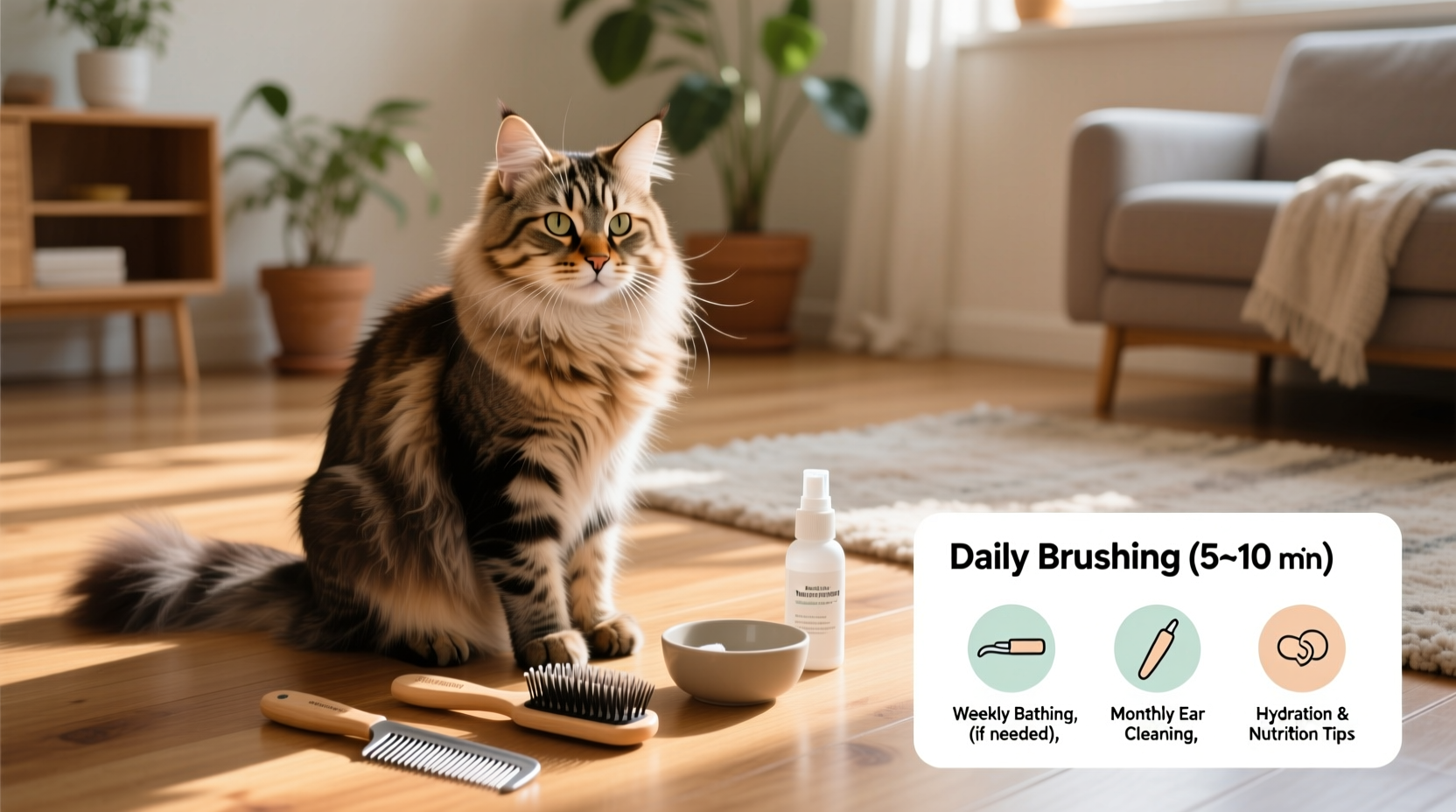
The Siberian’s coat is uniquely adapted to harsh Russian winters, consisting of three distinct layers: a dense undercoat, a middle awn layer, and long guard hairs on top. This combination creates a water-resistant, insulating barrier that sheds seasonally—especially in spring and fall. While beautiful, this thick fur is prone to matting behind the ears, under the legs, and along the belly if neglected.
Unlike single-coated breeds, Siberians require more than occasional brushing. Their undercoat traps loose hair and debris, which can lead to discomfort and over-grooming behaviors if not managed. Regular maintenance prevents these issues and minimizes the amount of fur dispersed around your home.
Tip: Begin grooming early—even as a kitten—to build comfort and cooperation.Essential Grooming Tools and What They Do
Using the correct tools makes all the difference in efficiency and comfort for your cat. Here’s a breakdown of what you’ll need and why each item matters:
| Tool | Purpose | Recommended Use |
|---|---|---|
| Wide-tooth comb | Detangles outer coat and checks for mats | Daily, especially during shedding season |
| Stainless steel slicker brush | Removes loose undercoat and surface tangles | Every other day |
| Undercoat rake | Reaches deep into the undercoat to pull out dead hair | 1–2 times per week, more during heavy shed |
| Natural bristle brush | Distributes skin oils for shine and smoothness | After detangling, 2–3 times weekly |
| Cat-safe clippers (optional) | Trims severe mats; never shave unless medically necessary | Only when needed, by experienced handlers |
Avoid human brushes or combs—they aren’t designed for feline skin sensitivity and may cause irritation or breakage.
Step-by-Step Weekly Grooming Routine
Consistency prevents problems before they start. Follow this structured routine to keep your Siberian’s coat in peak condition:
- Inspect the Coat (2 min): Run your hands over your cat’s body, checking for tangles, redness, or dry patches. Pay special attention to high-friction zones like armpits and behind the ears.
- Begin with a Wide-Tooth Comb (5 min): Gently work through the fur starting at the tail and moving toward the head. Stop at resistance—never pull.
- Use the Slicker Brush (7 min): In short strokes, brush with the grain of the hair. Focus on areas where the undercoat accumulates.
- Deploy the Undercoat Rake (5 min): Lightly rake through dense sections. Remove loosened fur with your hand or a lint roller.
- Finish with a Bristle Brush (3 min): Smooth the coat and stimulate oil production for natural shine.
- Check Ears, Paws, and Tail (3 min): Wipe ear flaps with a damp cotton ball, trim nails if needed, and gently comb tail fur.
Seasonal Care and Managing Shedding
Siberians undergo two major shedding cycles annually—spring and autumn. During these periods, daily grooming becomes essential. The undercoat expands in winter and sheds out rapidly in warmer months, leading to large clumps of fur if unmanaged.
Increase brushing frequency to daily during peak shedding. An undercoat rake used every 2–3 days can reduce loose hair by up to 70%, according to veterinary dermatologists. Pair this with a high-omega diet to support skin health and minimize brittle fur.
Bathing is rarely needed but can be beneficial during heavy shed. Use a moisturizing, cat-specific shampoo and rinse thoroughly. Dry with a low-heat blow dryer or towel, ensuring your cat stays warm post-bath to avoid stress.
“Regular deshedding not only improves coat condition but reduces the risk of intestinal blockages from ingested fur.” — Dr. Lena Torres, Feline Dermatology Specialist
Common Mistakes to Avoid
- Skipping grooming because the cat self-cleans: Cats clean themselves but cannot remove loose undercoat effectively.
- Using scissors on mats: This risks cutting the skin. Use a dematting tool or seek professional help.
- Grooming too aggressively: Forceful brushing causes pain and erodes trust.
- Ignoring the belly and legs: These areas are prone to matting due to friction with surfaces.
- Waiting until problems arise: Prevention is easier than treating severe matting or skin infections.
Mini Case Study: Overcoming Matting in an Adult Siberian
Mila, a 4-year-old Siberian living in Portland, developed severe matting along her flank after her owner fell ill and grooming lapsed for six weeks. When she was brought to a professional groomer, the mats were so tight they pulled on her skin. The groomer used a dematting comb and carefully removed each section without shaving. Mila was then placed on a strict twice-weekly grooming schedule. Within three months, her coat regained its softness, and her owner reported fewer hairballs and increased affection during brushing sessions.
This case underscores how quickly neglect can escalate—and how consistent care restores both comfort and coat quality.
Grooming Checklist for Siberian Cat Owners
Grooming Checklist:- ☐ Inspect coat for tangles and skin issues
- ☐ Comb entire body with wide-tooth comb
- ☐ Brush with slicker brush in direction of hair growth
- ☐ Use undercoat rake on dense areas
- ☐ Finish with natural bristle brush for shine
- ☐ Clean ears and trim nails as needed
- ☐ Reward with treat or playtime
Frequently Asked Questions
How often should I groom my Siberian cat?
During non-shedding seasons, groom 2–3 times per week. During spring and fall shedding, increase to daily sessions of 10–15 minutes to manage loose undercoat effectively.
Can I use a human detangling spray on my Siberian?
No. Human products contain chemicals and fragrances that can irritate a cat’s sensitive skin. Always use sprays specifically formulated for cats, preferably with oatmeal or aloe vera for added soothing benefits.
Do Siberian cats need professional grooming?
Not necessarily, but it can help—especially during heavy shedding or if mats develop. A professional groomer can safely remove stubborn tangles and provide a sanitary trim if needed. Most owners who maintain a routine find professional visits optional.
Final Thoughts: Make Grooming a Ritual, Not a Chore
Grooming your Siberian cat is one of the most impactful ways to support their health and deepen your relationship. With the right tools, timing, and technique, it becomes a calming ritual rather than a struggle. A shiny, soft coat reflects internal wellness and attentive care. By investing just 15 minutes a few times a week, you prevent discomfort, reduce mess, and give your cat the pride of a magnificent, well-kept appearance.
💬 Start today—grab a comb, invite your Siberian onto your lap, and turn grooming into a moment of connection. Share your favorite tip or challenge in the comments below to help fellow cat lovers!








