
For millions of cat owners, the joy of feline companionship comes with a persistent challenge: managing cat litter odor. Despite regular scooping, unpleasant smells can linger and spread through homes, affecting comfort and air quality. The good news is that with the right strategies, tools, and habits, you can significantly reduce or even eliminate litter box odors. This guide compiles expert-backed, real-world tested methods to help you create a cleaner, fresher living space while keeping your cat happy and healthy.
Understanding the Source of Cat Litter Smell
Cat urine contains urea, which breaks down into ammonia—a pungent gas responsible for the sharp, unmistakable odor often associated with litter boxes. Feces contribute additional volatile organic compounds (VOCs) that intensify the smell. Over time, these compounds can seep into porous surfaces like wood, carpet, or walls if not properly managed.
The type of litter used plays a major role. Clay-based litters may trap some odor but often lack strong absorption. Clumping litters perform better, but only if changed frequently. Silica gel crystals and plant-based litters (like those made from pine, corn, or wheat) offer superior odor control due to their natural absorbency and enzymatic properties.
“Odor isn’t just about cleanliness—it’s chemistry. Neutralizing ammonia and preventing bacterial growth are key.” — Dr. Lena Torres, DVM, Feline Health Specialist
Proven Tips to Reduce and Eliminate Litter Box Odor
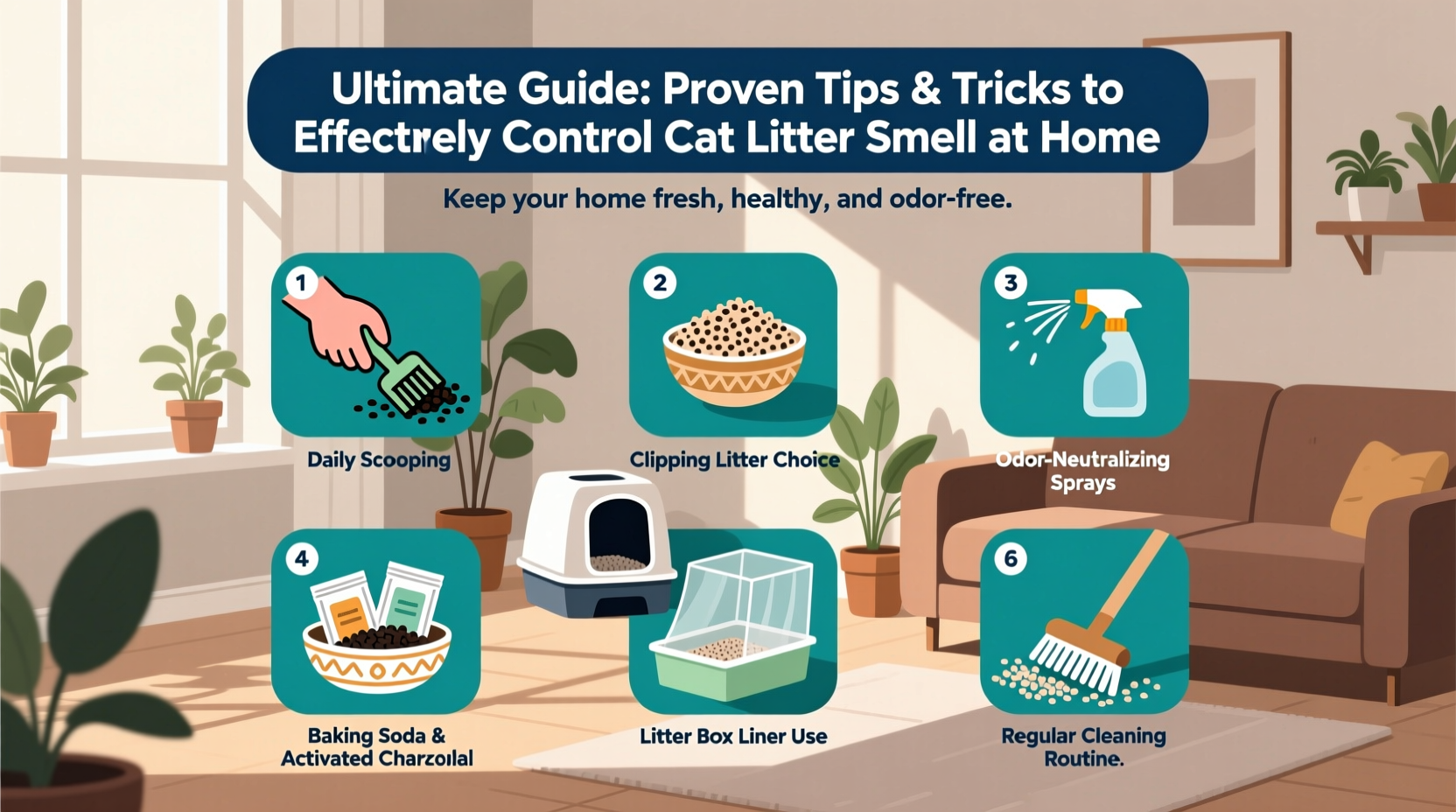
Effective odor control requires a multi-pronged approach. Here are actionable strategies backed by veterinarians and pet care experts:
1. Choose the Right Litter
Not all litters are created equal. Opt for products specifically designed for odor control. Look for features like:
- Activated charcoal or baking soda infusion
- Clay-silica blends with high absorbency
- Natural litters with enzymatic odor neutralizers
2. Scoop Daily Without Exception
Waste should be removed at least once every 24 hours. Solid waste and clumped urine accelerate bacterial decomposition, releasing more odor. Use a fine-toothed scoop for maximum efficiency.
3. Deep Clean the Box Monthly
Even with daily scooping, residue builds up. Once a month, follow this routine:
- Empty all litter
- Wash the box with warm water and mild dish soap (avoid bleach or ammonia-based cleaners)
- Rinse thoroughly and dry completely before refilling
4. Replace Litter Boxes Every 6–12 Months
Plastic litter boxes develop microscopic pores over time that trap bacteria and odors. Even after cleaning, they can remain a source of lingering smell. Replacing them annually—or sooner if cracked or stained—is a simple but effective step.
5. Use Baking Soda as a Base Layer
Before adding fresh litter, sprinkle a half-inch layer of baking soda at the bottom of the box. It neutralizes acids in urine and enhances overall odor control without harming your cat.
Strategic Placement and Ventilation
Location matters more than many realize. Placing a litter box in a poorly ventilated basement or enclosed closet traps odors and makes cleaning harder.
| Recommended Placement | Avoid These Locations |
|---|---|
| Well-ventilated room with airflow (e.g., laundry room with exhaust fan) | Bedrooms or living areas where people spend extended time |
| On hard, non-porous flooring (tile, vinyl) | Carpeted areas that absorb spills and odors |
| Close to but not inside noisy appliances (washer/dryer) | Next to furnaces or water heaters with inconsistent temperatures |
Additionally, consider placing a small air purifier with a HEPA and carbon filter near the litter area. Carbon filters are particularly effective at adsorbing VOCs and ammonia.
Step-by-Step Weekly Maintenance Routine
Consistency is critical. Follow this weekly plan to stay ahead of odors:
- Day 1: Full scoop, remove all solids and clumps. Top off litter to maintain 3–4 inch depth.
- Day 3: Light stir of litter to aerate and expose buried waste. Wipe exterior of box with pet-safe disinfectant.
- Day 5: Check for tracking; clean floor around box. Inspect for signs of mold or dampness.
- Day 7: Evaluate litter condition. If color is dark or clumps are breaking down easily, prepare for full change.
Mini Case Study: From Stink Zone to Scent-Safe Home
Sarah, a cat owner in Portland, struggled with odor in her small apartment despite daily scooping. Her two cats used a single box tucked under the bathroom sink—an enclosed space with minimal airflow. After consulting a vet tech, she made three changes:
- Moved the box to a corner of the laundry room with a nearby window
- Switched from clay to walnut-based natural litter
- Added a compact carbon-filter air purifier
Within ten days, family members stopped commenting on the “cat smell.” Air quality tests showed a 60% drop in airborne ammonia levels. Sarah now uses two boxes (following the 1+1 rule) and reports her home feels noticeably fresher.
Checklist: Your 10-Point Anti-Odor Action Plan
Use this checklist weekly to ensure no step is missed:
- ☐ Scoop litter box at least once per day
- ☐ Replace litter completely every 2–4 weeks
- ☐ Wash box monthly with mild soap and water
- ☐ Place baking soda under new litter
- ☐ Ensure proper ventilation in the litter area
- ☐ Use an air purifier with carbon filtration
- ☐ Keep the surrounding floor clean and free of tracked litter
- ☐ Replace old or cracked litter boxes annually
- ☐ Monitor your cat’s health—changes in urine smell can indicate medical issues
- ☐ Store extra litter in sealed containers away from moisture
Frequently Asked Questions
How many litter boxes should I have?
Veterinarians recommend one box per cat, plus one extra. For two cats, use three boxes placed in separate locations. This reduces territorial stress and helps contain odor spread.
Can I use scented litter to mask the smell?
It’s not recommended. Many cats dislike strong fragrances, and some scented litters contain chemicals that irritate their respiratory systems. Instead of masking, focus on neutralizing the source with unscented, odor-fighting litters.
Why does my litter box still smell after cleaning?
Persistent odor may mean bacteria have colonized porous surfaces. If using a plastic box, it may be time to replace it. Also, check nearby walls, baseboards, or flooring for unseen urine splatter. Use an enzymatic cleaner to break down organic residues.
Final Thoughts: A Fresh Home Is Within Reach
Controlling cat litter smell doesn’t require expensive gadgets or extreme measures. It starts with understanding the science of odor and committing to consistent, thoughtful care. By choosing the right litter, maintaining a strict cleaning schedule, optimizing placement, and using supportive tools like air purifiers, you can enjoy a clean, odor-free home without compromising your cat’s comfort.
💬 What’s your best tip for fighting litter box odor? Share your experience in the comments and help fellow cat lovers breathe easier!








